Analysis
Memory Chip Stocks Slide As AI Trade Cools After Samsung Results
Memory-chip stocks are selling off after a huge AI-driven rally, even as Samsung projects another record quarter. The pullback shows how quickly investors can move from believing the AI hardware story to questioning its valuation.
By Elvin C ·

The hottest hardware trade of the AI boom is finally showing stress. Memory-chip stocks slid sharply this week after Samsung's record profit forecast failed to satisfy investors who had already priced in a near-perfect AI demand cycle.
The selloff is not a simple collapse in AI demand. Samsung expects another record quarter, SK Hynix remains central to high-bandwidth memory supply, and hyperscalers are still spending heavily on AI infrastructure. The problem is valuation. When a stock has already been rewarded for perfection, even good news can look disappointing.
Business Insider reported that the Roundhill Memory ETF has fallen into bear-market territory after surging earlier in the year, while SanDisk, Western Digital, Micron, Samsung, and SK Hynix all came under pressure. The Philadelphia Semiconductor Index has also weakened, showing that the pullback is not limited to one company.
The move exposes a difficult truth about AI investing. The long-term story can be strong while the near-term trade becomes crowded. Investors can believe that AI requires more memory, more packaging, more storage, and more networking while still deciding that the first-half rally went too far.
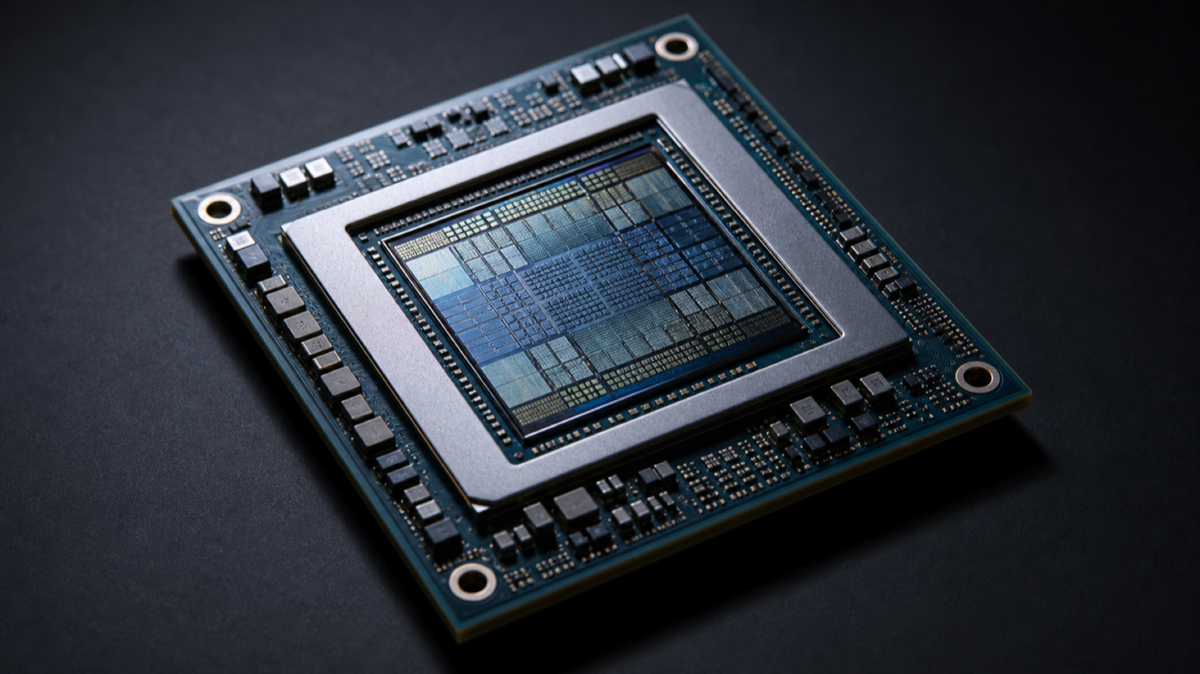
Samsung's numbers illustrate the tension. The company reportedly forecast a dramatic profit increase driven by AI chip demand, but its shares still fell. That is usually what happens when a market stops asking whether demand exists and starts asking how much demand has already been capitalized into prices.
The memory cycle has always been brutal. Strong demand encourages capacity expansion. Capacity expansion eventually pressures pricing. AI may stretch the cycle, but it does not abolish it. Investors now have to decide whether HBM is a structural bottleneck or another semiconductor segment that will eventually face supply response.
That question matters beyond Korea. Nvidia, AMD, cloud providers, server makers, and AI labs all depend on memory availability and pricing. If memory prices stay high, AI infrastructure costs remain elevated. If memory prices weaken, hardware margins and supplier capex plans may come under scrutiny.

For Hong Kong and Asian investors, the lesson is to separate the AI thesis from the AI trade. The thesis says memory remains critical. The trade asks whether the price already reflects that. Those are different questions, and this week's selloff shows why confusing them is expensive.
The AI boom is not over because memory stocks corrected. But the easy part of the trade may be. From here, investors will want cleaner evidence: shipment visibility, HBM qualification, customer mix, pricing durability, capacity discipline, and whether record profits can still surprise a market that has learned to expect records.
Topics: memory chips, Samsung, SK Hynix, AI trade