Analysis
Big Tech's AI Spending Is on Course to Hit $1 Trillion in 2027. Here's What That Buys.
Meta, Google, Microsoft, and Amazon are collectively spending $725 billion on AI infrastructure in 2026 alone. Wall Street now expects that figure to cross $1 trillion in 2027 — and investors are starting to ask hard questions.
By Michael G ·
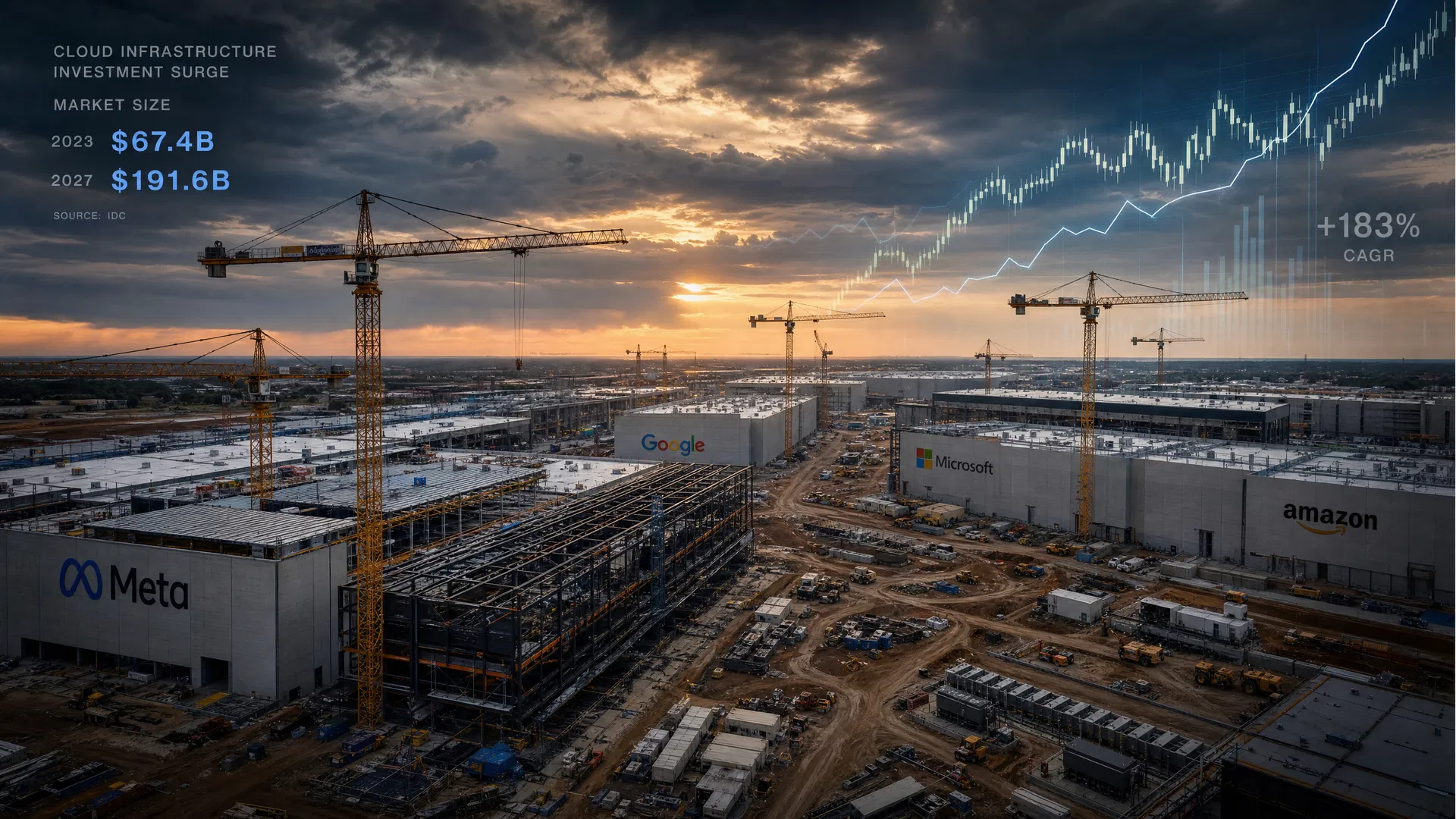
The numbers are becoming difficult to comprehend. Meta, Google, Microsoft, and Amazon are collectively spending $725 billion on AI infrastructure in 2026. Wall Street now expects that figure to cross $1 trillion in 2027. The AI buildout has gone parabolic — and the question of whether the returns will justify the investment is becoming the defining debate of the technology sector.
The latest earnings round crystallised the scale of the commitment. Microsoft raised its 2026 capex forecast by 24% to $190 billion. Alphabet is up 4% to $185 billion. Amazon held at $200 billion. Meta increased its range to $125–145 billion after admitting it had 'continued to underestimate' its compute needs.
The Case for the Spend
The bulls have a compelling story. Google's cloud revenue surged 63% year-on-year in Q1 2026. Its backlog — the contracted future revenue from cloud customers — nearly doubled quarter-on-quarter and grew 400% annually to $462 billion. More than half of that is expected to convert to revenue within 24 months.
"Cap-ex continues to soar as demand outpaces supply and pricing increases," Jefferies analysts wrote in a note to investors. "Cap-ex keeps climbing, but ROI is evident via ~$2 trillion backlog and accelerating cloud growth."
Amazon CEO Andy Jassy was direct: the company is "confident in the long term capex investments we're making." The confidence is grounded in a simple observation — every major enterprise customer is now building or deploying AI systems, and all of them need cloud compute to do it.
The Sceptic's Case
Meta is the outlier. While Google's backlog provides concrete evidence of future revenue, Meta's AI spending is harder to tie to near-term returns. The company's free cash flow collapsed from $26 billion in Q1 2025 to just $1.2 billion in Q1 2026. Shares fell 8% after earnings. Jefferies put it bluntly: Meta "likely remains in the penalty box pending clearer capex ROI."
Every sign that we're seeing in our own work and across the industry gives us confidence in this investment.
Mark Zuckerberg, Meta CEO, Q1 2026 earnings call
Who Captures the Upside
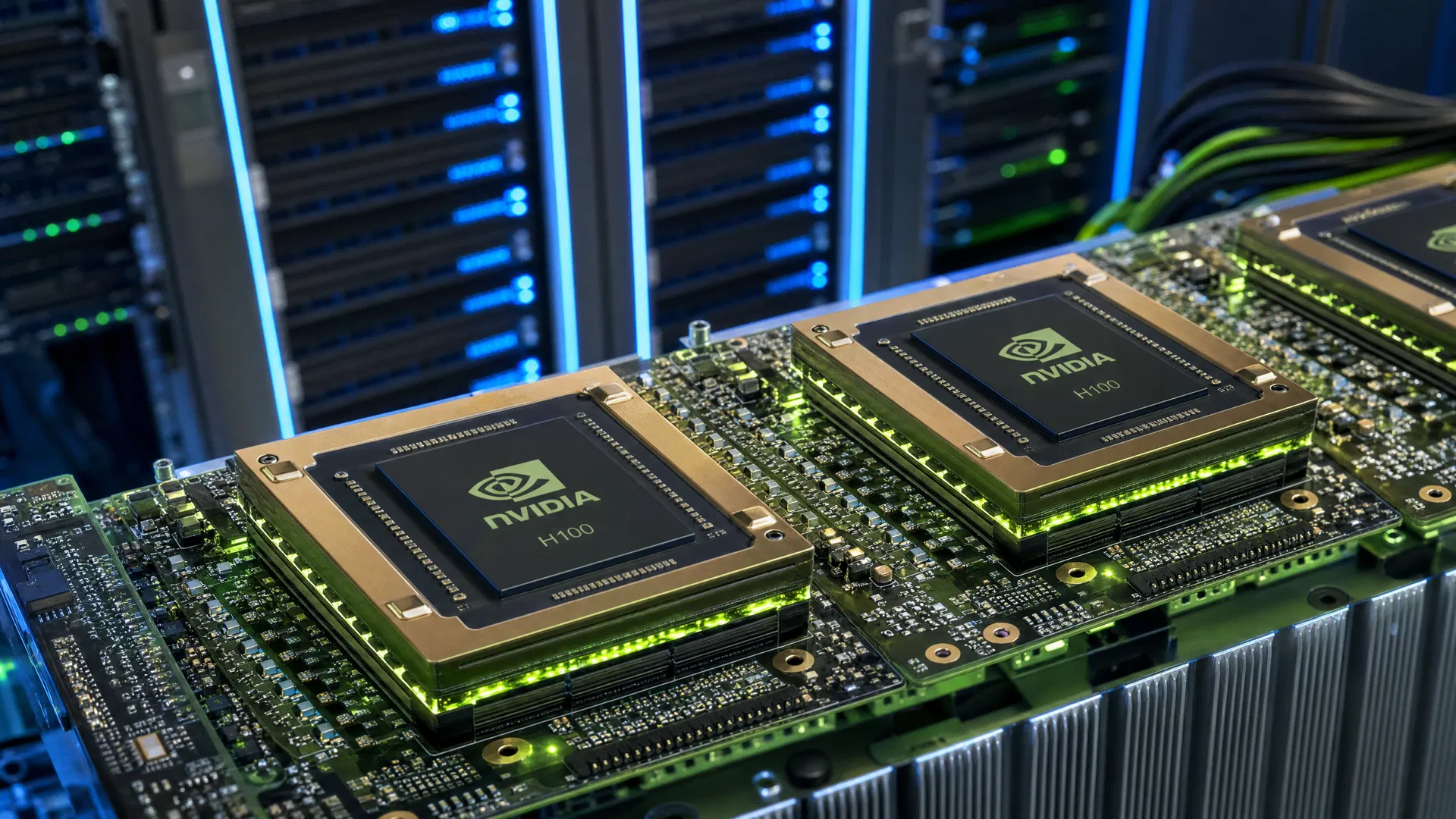
The sustained capex growth is unambiguously good for chipmakers. NVIDIA remains the dominant GPU supplier, but the buildout is also driving demand for custom ASICs — Google's TPUs, Amazon's Trainium, Microsoft's Maia, Meta's MTIA. Intel's CPU business is also benefiting as agentic AI workloads require more general-purpose compute alongside GPUs.
RBC Capital Markets maintains positive ratings on NVIDIA, Micron, Marvell, Astera Labs, Arm Holdings, and Lattice Semiconductor. "AI demand is driving double-digit growth in wafer fab," the bank noted.
The $1 Trillion Question
The trajectory is clear. What remains uncertain is whether the AI applications being built on top of this infrastructure will generate sufficient revenue to justify the investment at this scale. Cloud growth is accelerating. Enterprise AI adoption is real. But the gap between infrastructure spending and application-layer revenue is still wide — and it needs to close before the next earnings cycle.