Analysis
Netflix's InterPositive Price Tag Puts Generative AI Into The Studio M&A Ledger
Netflix disclosed that it paid $587 million in cash for Ben Affleck's AI filmmaking startup InterPositive, making generative post-production a concrete studio acquisition cost rather than only a creative debate.
By Elvin C ·
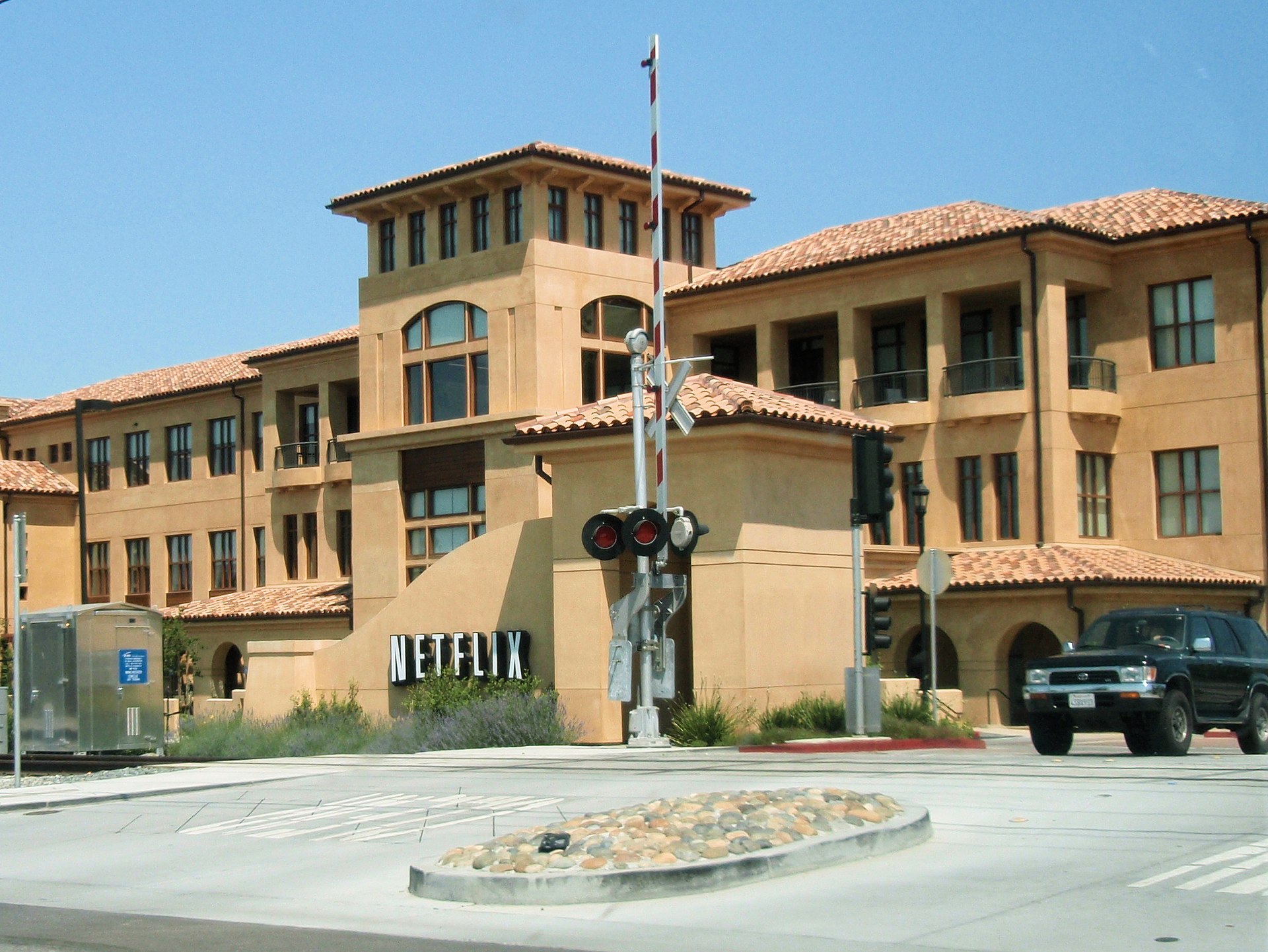
Netflix has put a hard number on one of Hollywood's biggest AI bets. TechCrunch reported on July 19 that a regulatory filing showed Netflix paid $587 million in cash for InterPositive, the AI filmmaking startup co-founded by Ben Affleck. The company had announced the acquisition in March without disclosing financial terms. The new figure matters because it moves generative AI in film from speculation and labor anxiety into the studio capital-allocation ledger.
InterPositive's pitch is not that AI should replace filmmaking. According to TechCrunch, Netflix's acquisition announcement included a statement from Affleck saying the tools help filmmakers improve footage in post-production, especially when real-world production challenges leave missing shots, background problems or incorrect lighting. That positioning is carefully chosen. In a labor-sensitive industry, a tool that fixes production gaps is easier to defend than one marketed as a director, actor or writer replacement.
The economics are still aggressive. A $587 million cash price implies that Netflix sees generative post-production as more than an experimental plugin. It may believe the technology can reduce reshoots, speed turnaround, expand international versions, improve visual continuity or lower the cost of effects-heavy work across hundreds of titles. TechCrunch noted that Netflix said in its most recent earnings report that around 300 of its titles had already used generative AI, according to Variety.
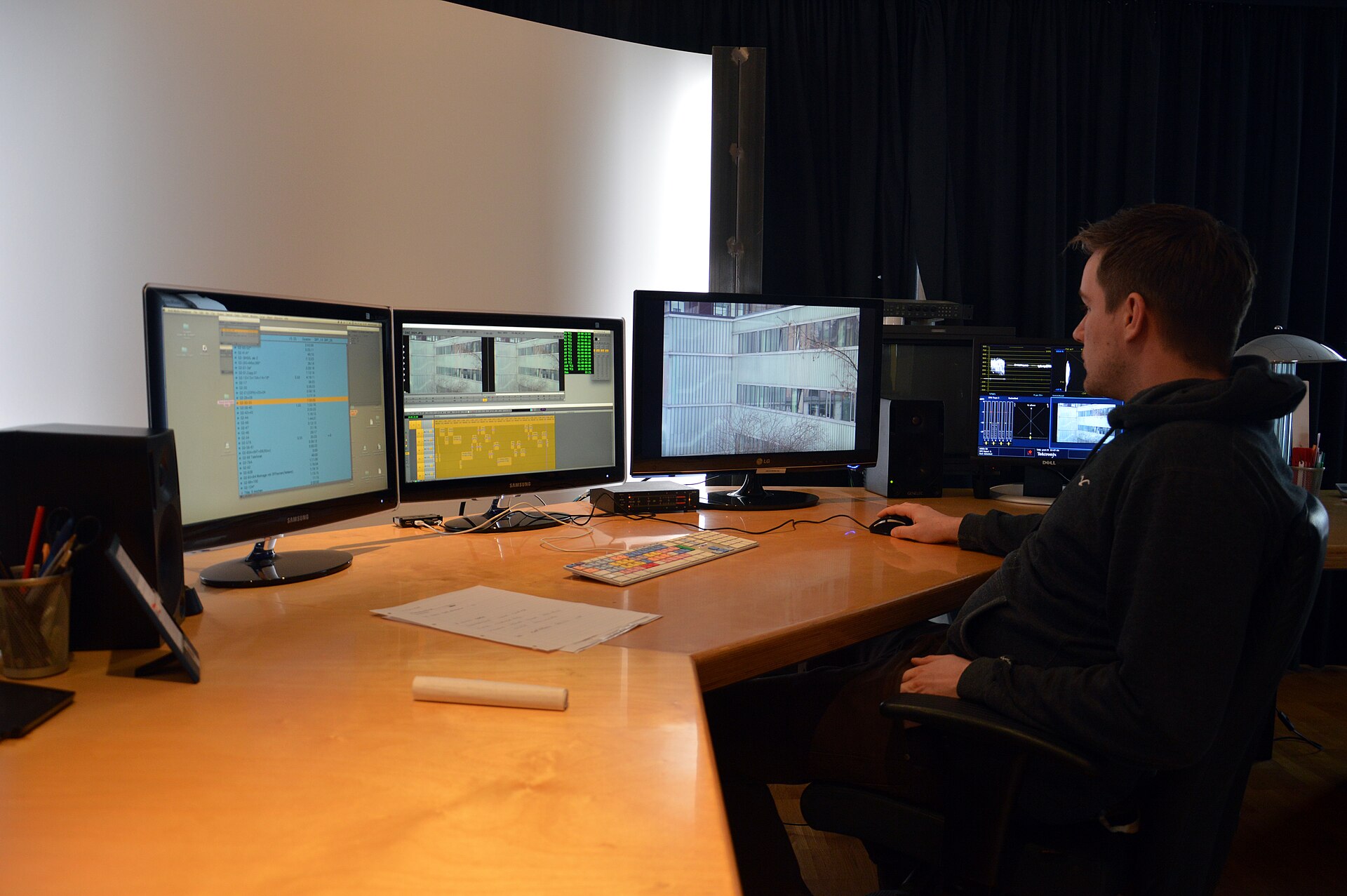
For investors, the acquisition shows how media companies may buy AI capability. Studios could license tools from outside vendors, build internal systems, partner with AI labs or acquire specialized teams. Netflix chose ownership, at least for this category. That gives it control over workflow integration, rights management, security and product direction. It also concentrates risk if the technology disappoints or becomes politically costly with talent.
The labor issue will not fade because the use case begins in post-production. Every efficiency gain in a production pipeline affects bargaining power somewhere. If AI can reduce the need for reshoots, background work or routine visual adjustments, it changes demand for certain services even if it creates new technical roles. Studios will argue that better tools stretch budgets and make more projects feasible. Workers will ask who captures the savings and whether creative credit, consent and compensation follow the new workflow.
There is also a rights-management question. Film production involves actors, likenesses, sets, locations, licensed assets and contractual approvals. AI tools that alter footage must respect those agreements. A background replacement may sound mundane until it changes a scene in a way that affects a location release, brand placement, union rule or performer's approval rights. Owning the technology does not remove those obligations. It may make Netflix more responsible for designing controls around them.
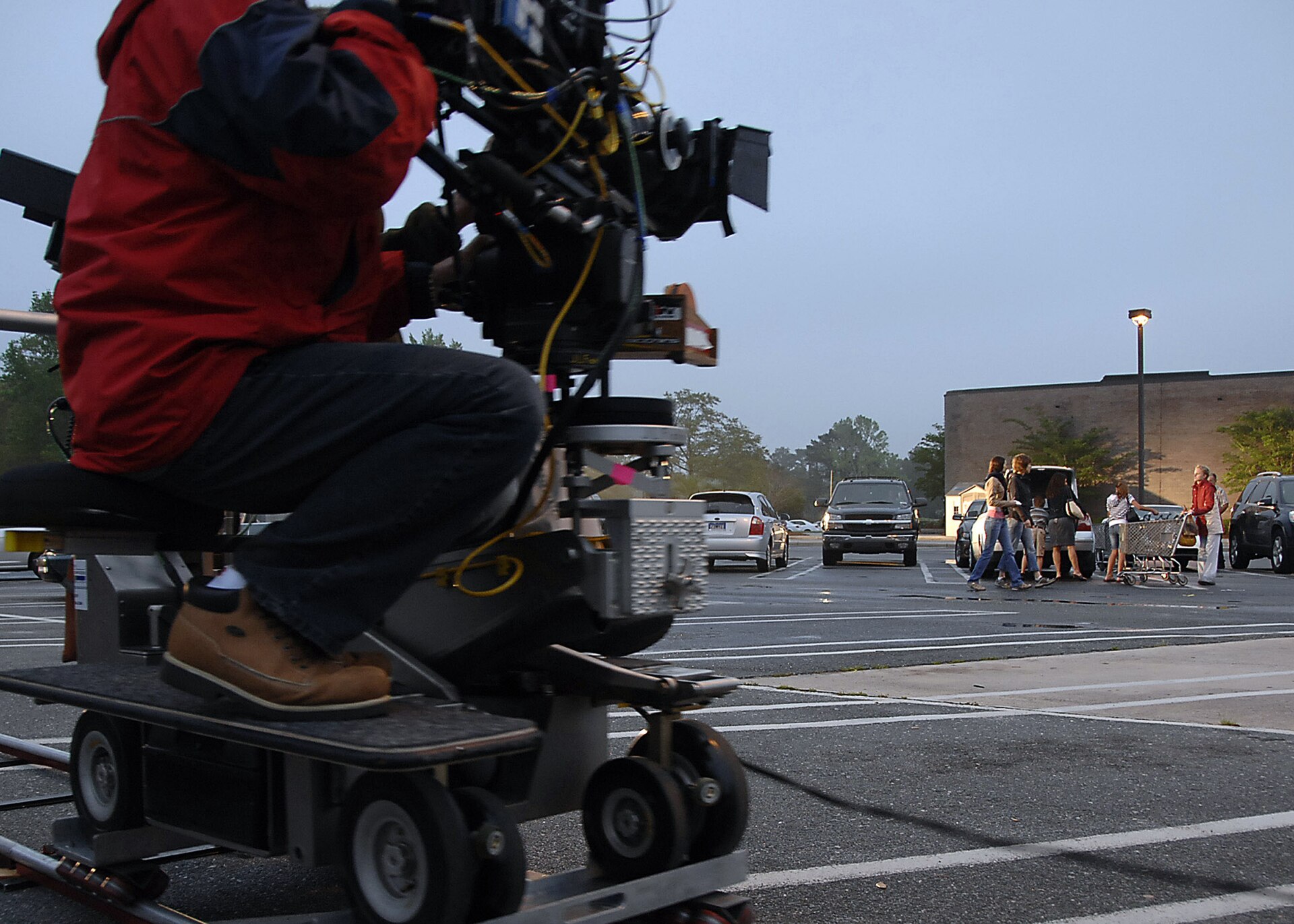
The acquisition also lands during a broader reputational contest over AI in entertainment. Directors and actors have warned that generative systems can weaken authorship or smuggle automation into creative work through technical departments. Studios, facing expensive content slates and subscriber pressure, have incentives to find productivity gains wherever they can. A large disclosed purchase gives both sides a clearer object to debate.
The most plausible near-term future is not fully synthetic cinema. It is a production pipeline where AI is embedded in correction, cleanup, localization, previsualization and effects support. Netflix's InterPositive deal suggests that major studios are willing to pay strategic prices for that pipeline. The question now is whether the technology can save enough time and money while preserving enough creative trust to justify the cost.
Topics: Netflix, InterPositive, AI filmmaking, media