Analysis
The AI Copyright War Escalates — CNN Sues Perplexity as Nine Publishers Now Fight Back
CNN has filed a copyright and trademark lawsuit against Perplexity AI, alleging it scraped and redistributed more than 17,000 stories, photos, and videos. It is the first AI copyright action by a television network and the ninth lawsuit against Perplexity from major publishers.
By Michael G ·
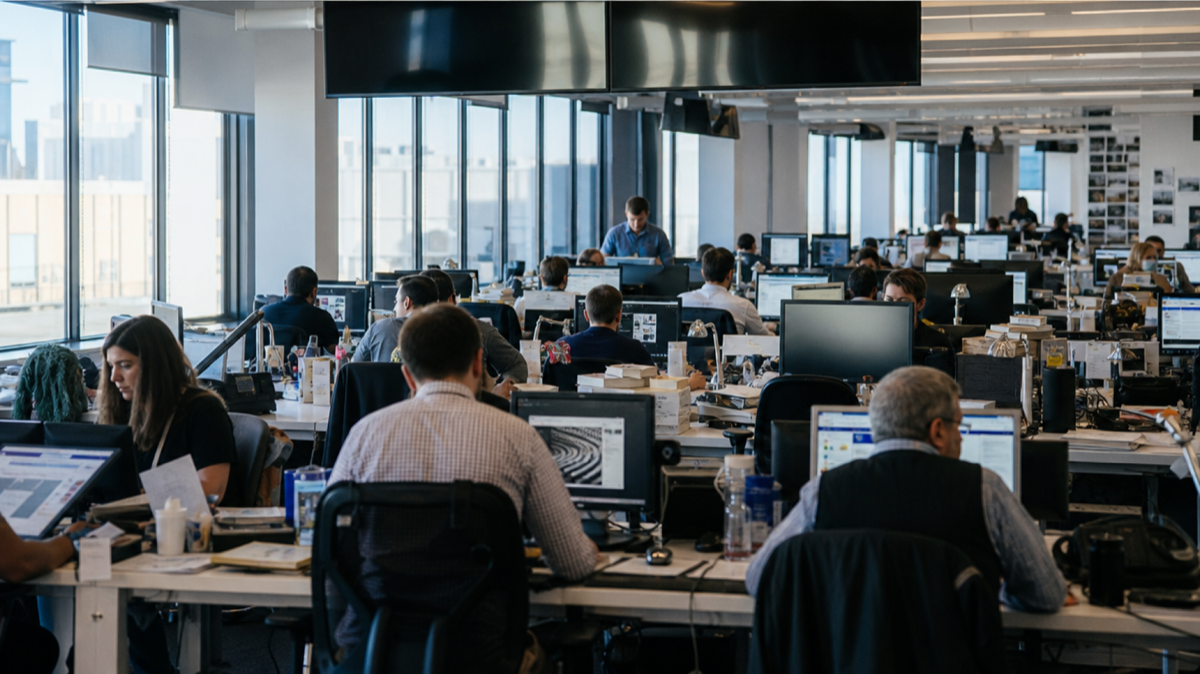
CNN has filed a copyright and trademark lawsuit against Perplexity AI, alleging that the AI search company scraped and redistributed more than 17,000 CNN stories, photographs, and videos without authorisation or compensation. The lawsuit, filed in federal court in June 2026, is the first AI copyright action brought by a television network and the ninth major lawsuit against Perplexity from news and media organisations. It marks a significant escalation in the legal campaign by publishers to establish that AI companies cannot train on or distribute copyrighted content without licensing agreements.
The CNN complaint alleges both copyright infringement — the unauthorised reproduction of editorial content — and trademark infringement, claiming that Perplexity's AI-generated summaries present CNN's reporting in ways that could mislead users about the source and authenticity of the information. The trademark claim is novel in the AI copyright litigation landscape and, if successful, could establish a new legal theory that goes beyond the reproduction of text to encompass the misappropriation of editorial brand and reputation.
Perplexity now faces lawsuits from nine organisations: The New York Times, News Corp, the New York Post, Reddit, Encyclopaedia Britannica, CNN, and several others. The pattern of litigation reflects a broader industry split between two competing strategies for managing AI's relationship with copyrighted content. On one side are the litigators — publishers who believe that the only way to establish fair compensation is through the courts. On the other are the licensors — organisations that have chosen to negotiate commercial agreements with AI companies rather than pursue legal action.
The licensing camp has had notable successes. Anthropic settled with a group of authors for $1.5 billion last year in a deal that established a precedent for compensation without admitting liability. Google has signed licensing agreements with several major news organisations for use in AI Overviews. OpenAI has licensing deals with the Associated Press, the Financial Times, and others. These agreements suggest that commercial licensing is viable — but they also reveal the enormous disparity in bargaining power between large AI companies with billions in revenue and individual publishers with declining advertising income.
The core commercial grievance underlying the CNN lawsuit is not simply the unauthorised use of content but the traffic displacement that follows. Perplexity's 'answer engine' model — which synthesises information from multiple sources into a single AI-generated response — is designed to give users the answer without requiring them to click through to the original source. Publishers call this 'skip the links' behaviour, and their traffic data suggests it is having a measurable effect: AI search queries are up, but traditional blue-link clicks to publisher websites are declining.
The legal questions at the centre of these cases are genuinely unsettled. The fair use doctrine under US copyright law permits the use of copyrighted material for purposes including commentary, criticism, and transformation — but whether training a large language model on copyrighted text constitutes transformative use is a question that no court has definitively answered. The New York Times lawsuit against OpenAI, which is the most closely watched of the AI copyright cases, is expected to produce a ruling that will set significant precedent, but the timeline for that decision remains uncertain.
For Perplexity, the accumulation of nine lawsuits represents a material legal and financial risk. The company raised $500 million in its most recent funding round at a $9 billion valuation, giving it resources to defend the litigation — but the potential damages in copyright cases can be substantial, and the reputational cost of being the most-sued AI company in the news industry is not trivial. The question for Perplexity's investors and management is whether to continue contesting the lawsuits or to pursue a licensing strategy that trades legal certainty for ongoing commercial cost.
The CNN lawsuit is likely to accelerate that decision. CNN's global brand, its television audience, and its status as the first TV network to bring an AI copyright action give the case a visibility that the earlier Perplexity lawsuits did not have. If CNN secures a favourable ruling or a significant settlement, the remaining holdouts in the publishing industry will have a stronger template for their own claims — and Perplexity will face pressure to negotiate rather than litigate its way through an expanding docket.