Research
Google's Waterloo Futures Lab Shows AI Education Is Moving Beyond Prompt Workshops
Google and the University of Waterloo are using an eight-week lab to put students from different disciplines in front of real AI prototyping work, a model that treats AI literacy as making, testing and accountability.
By Michael G ·
Google and the University of Waterloo are using an eight-week Futures Lab to help students from different disciplines build AI prototypes with mentorship and practical support. The program is a useful corrective to the idea that AI education can be reduced to prompt-writing tips. Real literacy comes from understanding what a system can do, where it fails, what data it touches and how its output changes a decision in the world.
That broader approach matters because AI is spreading into work that does not look like software engineering. A student in health, design, public policy or manufacturing may need to assess a model's limitations and build a safe workflow without ever training a foundation model. Programs that mix disciplines are better placed to teach those choices than courses that treat AI as a purely technical specialty.
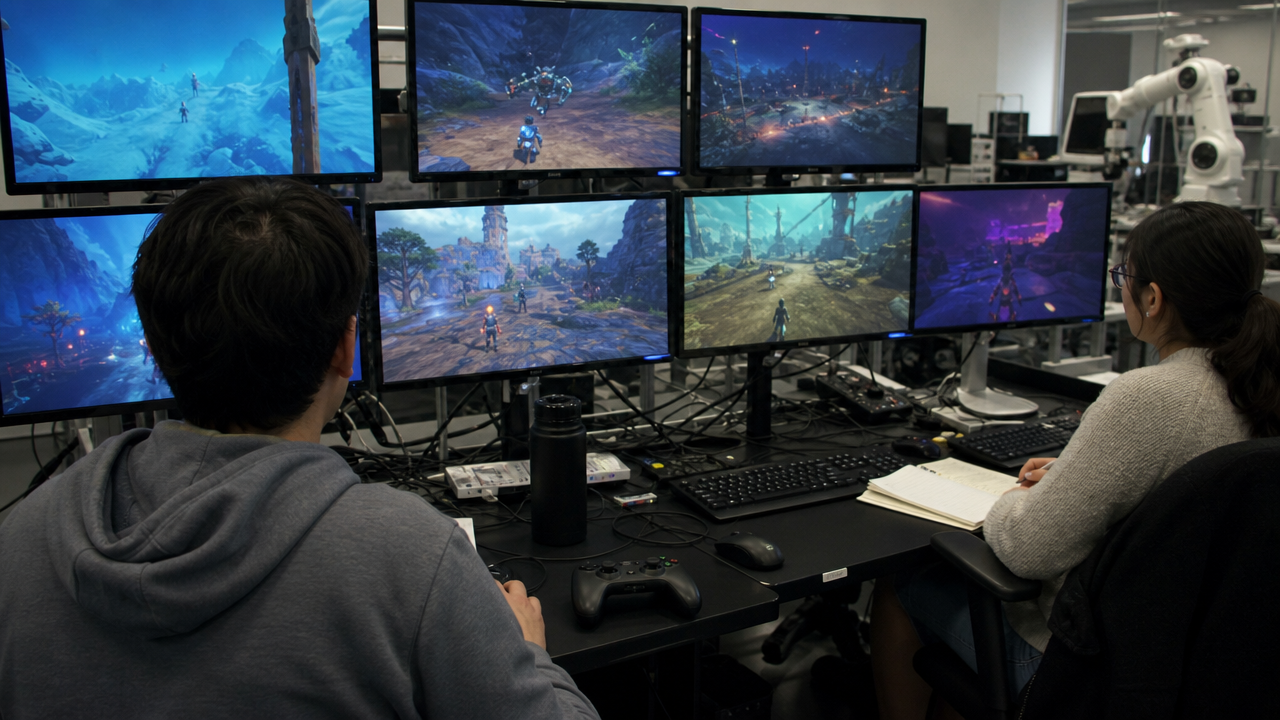
Prototyping also creates a healthier form of skepticism. Students can see how quickly a polished demonstration can break when the information is incomplete, the user request is ambiguous or a tool call is unavailable. That experience is more durable than a warning label because it teaches people where verification and human judgment belong in the workflow.
There is still a risk in programs built alongside large vendors. Access to leading tools is valuable, but education should not turn into product certification. Participants need exposure to questions of model choice, data governance, cost and portability so they can make decisions after the tools and pricing change.
The Waterloo effort is small in scale, but it points toward a better workforce model. AI readiness is not about producing a generation that automatically trusts assistants. It is about producing people who can use them, test them and know when the responsible answer is to slow down.
Topics: Google, University of Waterloo, AI education, workforce