Research
Claude Science Makes Audit Trails The Real Test Of AI In The Lab
Anthropic's Claude Science workbench is aimed at researchers, but the product's most important promise is not faster prose. It is whether AI-assisted scientific work can remain inspectable when decisions matter.
By Michael G ·
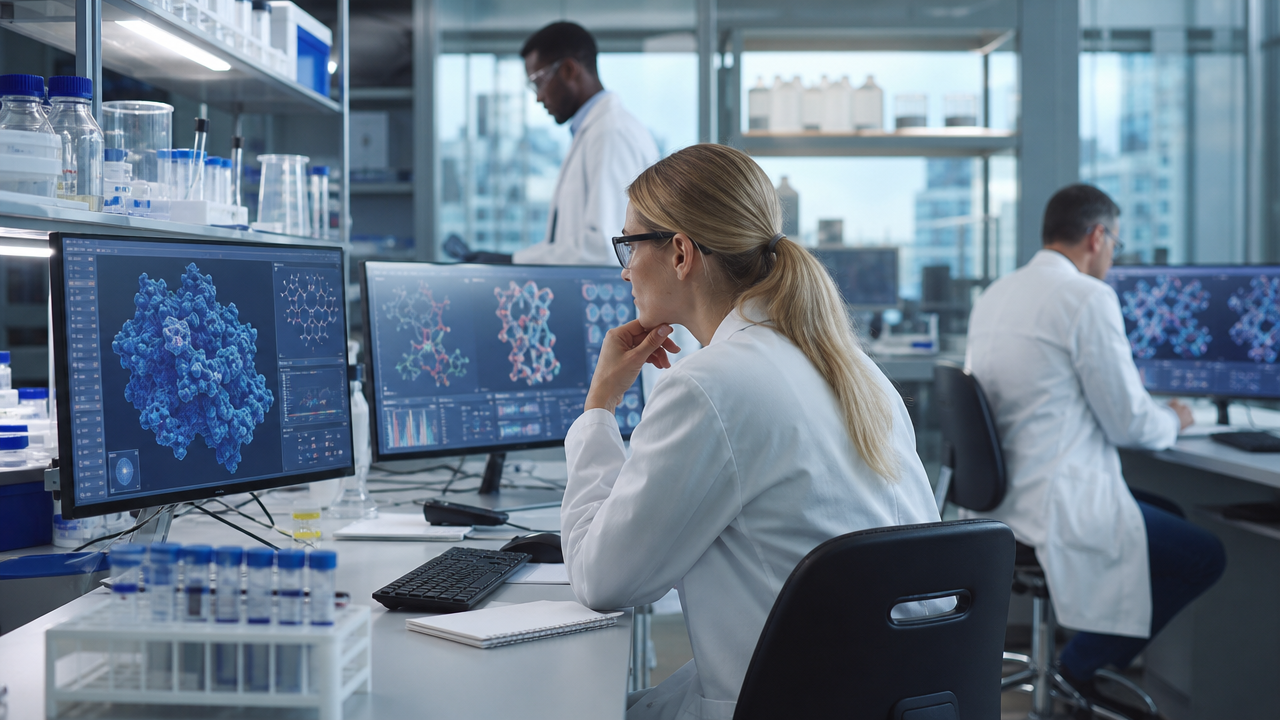
Anthropic's Claude Science workbench arrives at a useful moment for research AI. Scientists do not need another system that merely produces fluent summaries. They need tools that can connect literature, data, code and computation while leaving behind a record someone else can inspect.
The company describes the product as a customizable environment that brings together the tools and packages researchers use, produces auditable artifacts and provides flexible access to compute. That language matters because it recognizes the central weakness of generic chat interfaces in science: an answer without provenance is hard to trust.
In a lab, the question is not only whether a suggestion sounds plausible. Researchers need to know which dataset informed it, which code generated a result, what assumptions were made, which sources were consulted and whether another person can reproduce the path from question to conclusion.
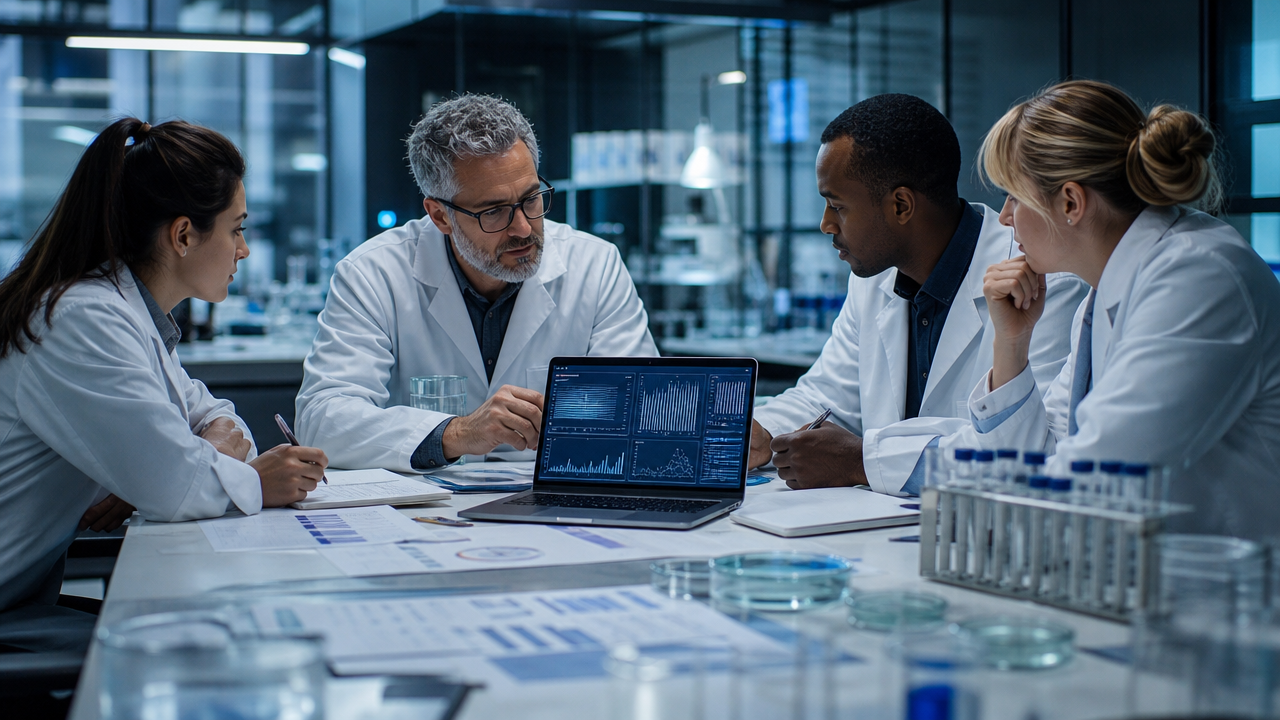
That is where a workbench model is more promising than a standalone assistant. It can place the model inside a governed workflow rather than asking scientists to copy sensitive material into a general chat window. The surrounding environment can capture files, versions, tool calls and approvals as part of the scientific record.
The capability question remains important. Models can help triage papers, identify patterns, prepare analyses and propose experiments. But their value increases only when the output is connected to a testable process. A novel hypothesis is useful when it gives a team a clearer experiment, not when it merely adds another paragraph to a slide deck.
There are practical limits. Scientific data can be sensitive, incomplete or poorly standardized. A model may confidently connect findings that should remain separate, or miss a subtle measurement problem that an experienced researcher sees immediately. Auditability does not remove those risks; it gives teams a chance to find them.
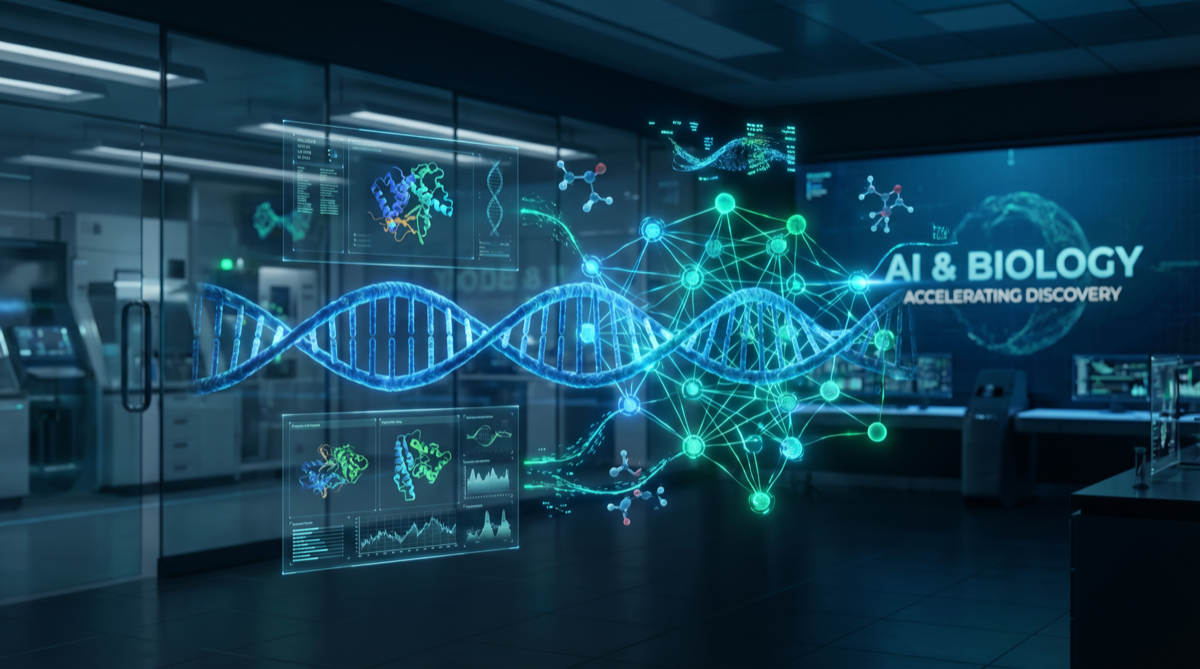
For universities and biotech companies, this is likely to be the procurement standard. They will ask whether a platform supports data governance, collaboration, version control and reproducible analysis before they ask whether it can write an elegant explanation. The lab cannot outsource accountability to the model provider.
Claude Science puts the right issue on the table. The future of AI in research will be decided less by how human the answer sounds than by how clearly a scientist can show the work behind it.
Topics: Anthropic, Claude Science, research AI, scientific workflows