Research
The New Codex Agentic-Work Debate Shows Software Engineering Is Becoming A Managed System
Agentic coding research is moving the conversation beyond autocomplete. The hard problem is now orchestration: how agents plan, modify, test, explain, and safely hand work back to humans.
By Leo W ·

The latest wave of agentic software-engineering research is moving the AI coding debate beyond autocomplete. The question is no longer whether models can write useful snippets. It is whether agents can plan changes, navigate large codebases, run tests, explain tradeoffs, and hand work back to humans without making the system more fragile.
That is a different product category. Autocomplete helps a developer type. An agentic workflow tries to own a task boundary. It may inspect files, change code, run commands, interpret failures, and iterate. The productivity upside is larger, but so is the blast radius.
The Real Problem Is Orchestration
Enterprise software work is full of hidden constraints: legacy APIs, undocumented behavior, brittle tests, deployment rituals, compliance checks, and team conventions. A useful coding agent has to understand that environment well enough to avoid elegant but dangerous changes.
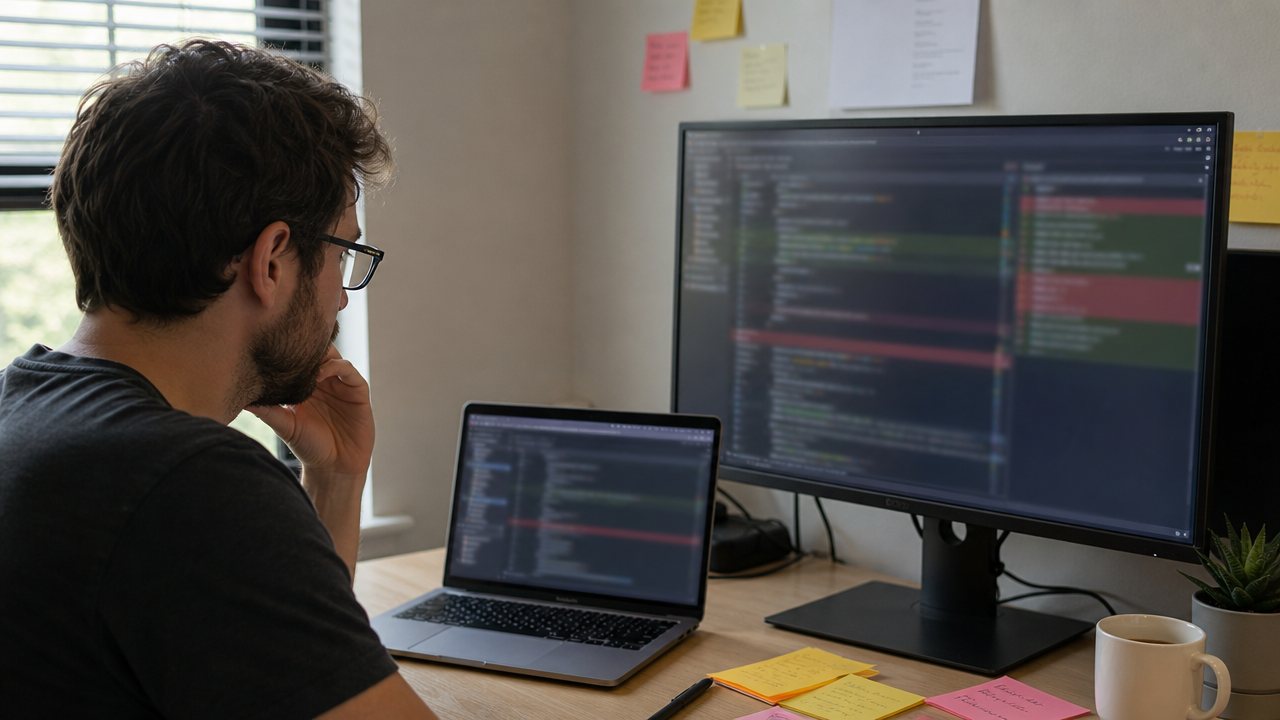
Verification is the center of the problem. If an agent changes code but cannot prove what it changed, why it changed it, and how it tested the result, the human reviewer still carries the risk. The best systems will make review easier rather than merely generating more code to inspect.
Managers Will Need New Metrics
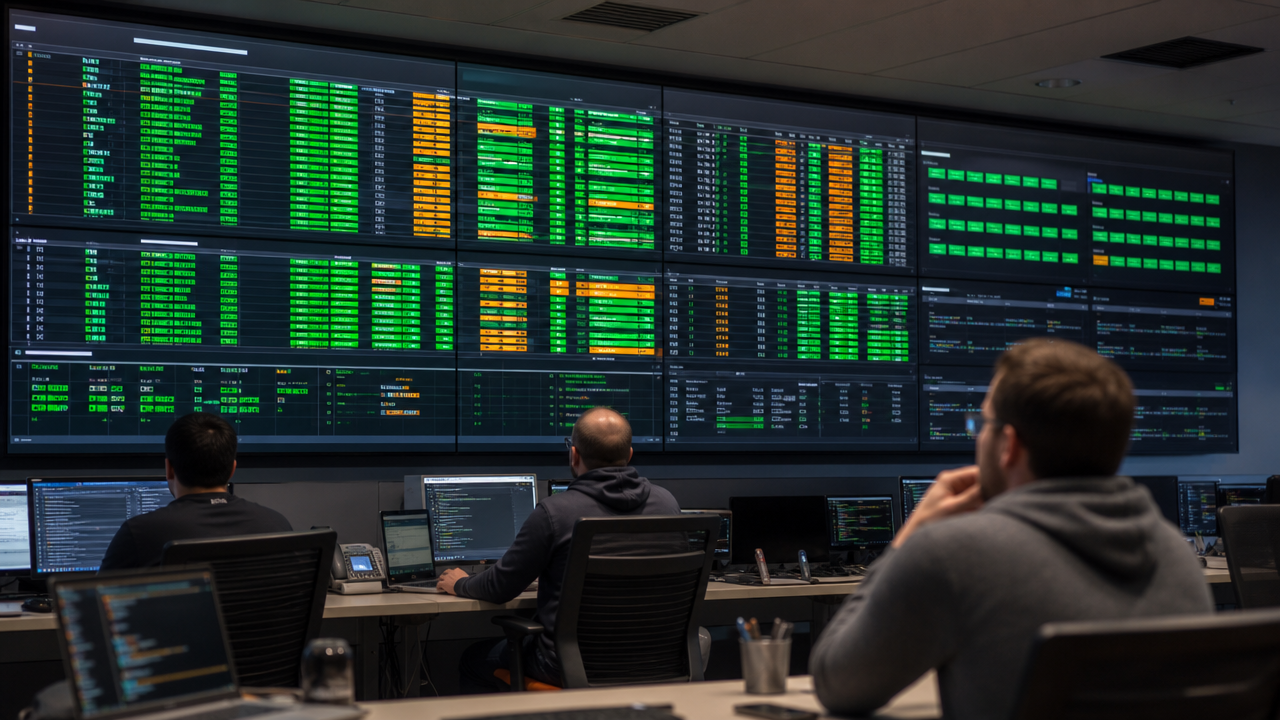
AI coding tools will be judged by throughput, defect rates, review burden, security posture, and developer confidence. Lines of code generated is the wrong metric. The better question is whether the team ships safer changes with less coordination drag.
Topics: Codex, AI coding, software engineering, agents