Research
Embodied AI Safety Is Moving From Lab Demos To Systems Engineering
Robots, autonomous vehicles, and physical AI systems are forcing safety teams to think beyond model behavior. The real challenge is lifecycle engineering: sensors, humans, environments, updates, and failure recovery.
By Michael G ·
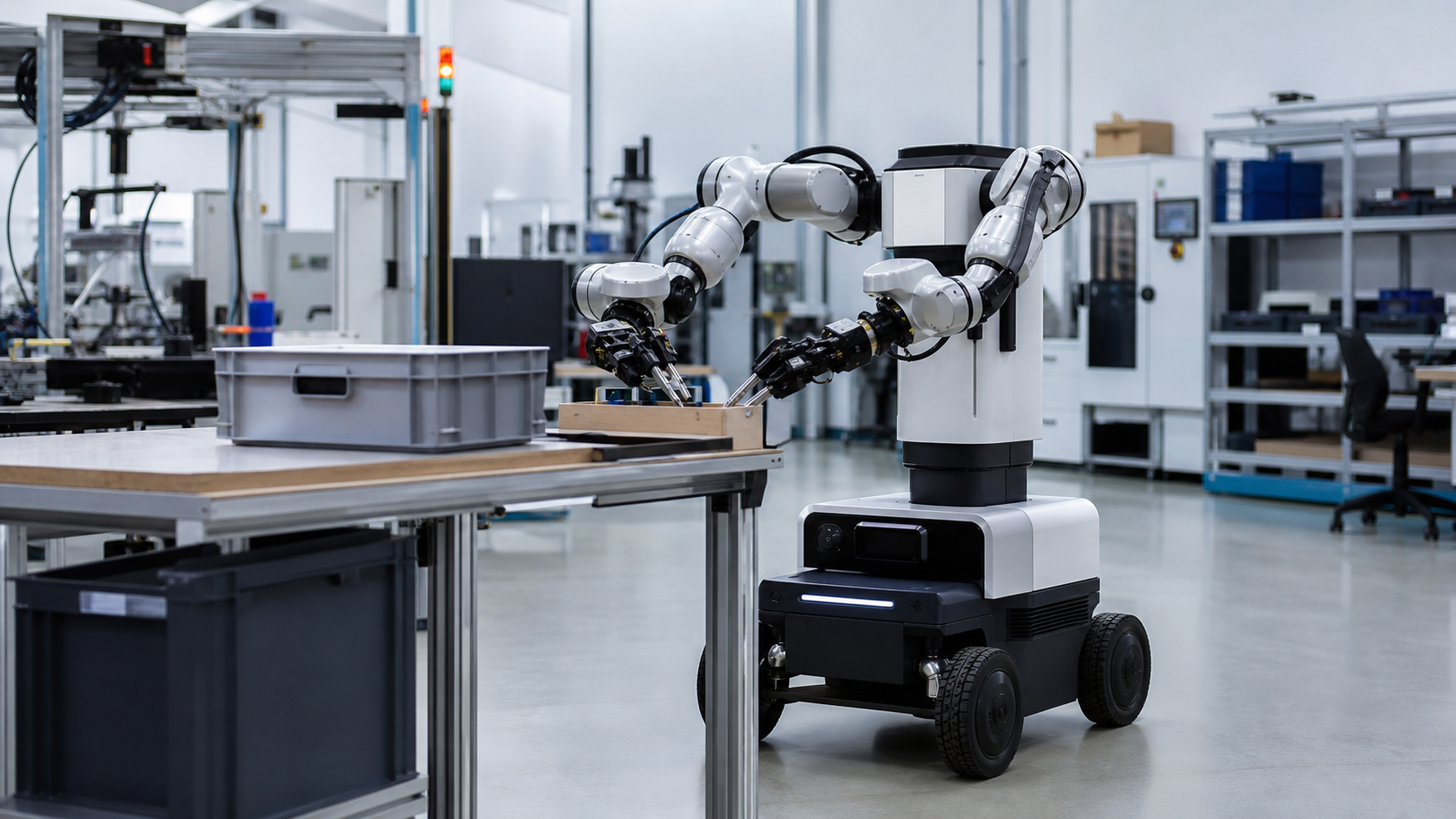
Embodied AI is making artificial intelligence physical again. The systems now moving from demos toward deployment do not merely generate text or images. They perceive environments, make decisions, move through space, and sometimes operate near people who did not agree to become test subjects.
That changes the safety problem. A language model can be rolled back after a bad answer. A robot arm, delivery vehicle, warehouse system, or autonomous machine can create physical risk before a dashboard turns red. The safety layer has to be designed before deployment, not bolted on after a viral failure.
The Body Changes The Risk Model
In software-only AI, many failures are informational: a hallucinated fact, a bad recommendation, a privacy leak, a wrong classification. In embodied AI, failures can also be spatial and kinetic. The system has to understand distance, force, timing, object permanence, human unpredictability, and environmental uncertainty.
This is why safety researchers increasingly describe embodied AI as a systems engineering problem. The model matters, but so do sensors, actuators, maps, edge cases, operators, maintenance logs, network latency, and the boring mechanical details that determine what happens when a system is confused.
Demos Hide The Long Tail
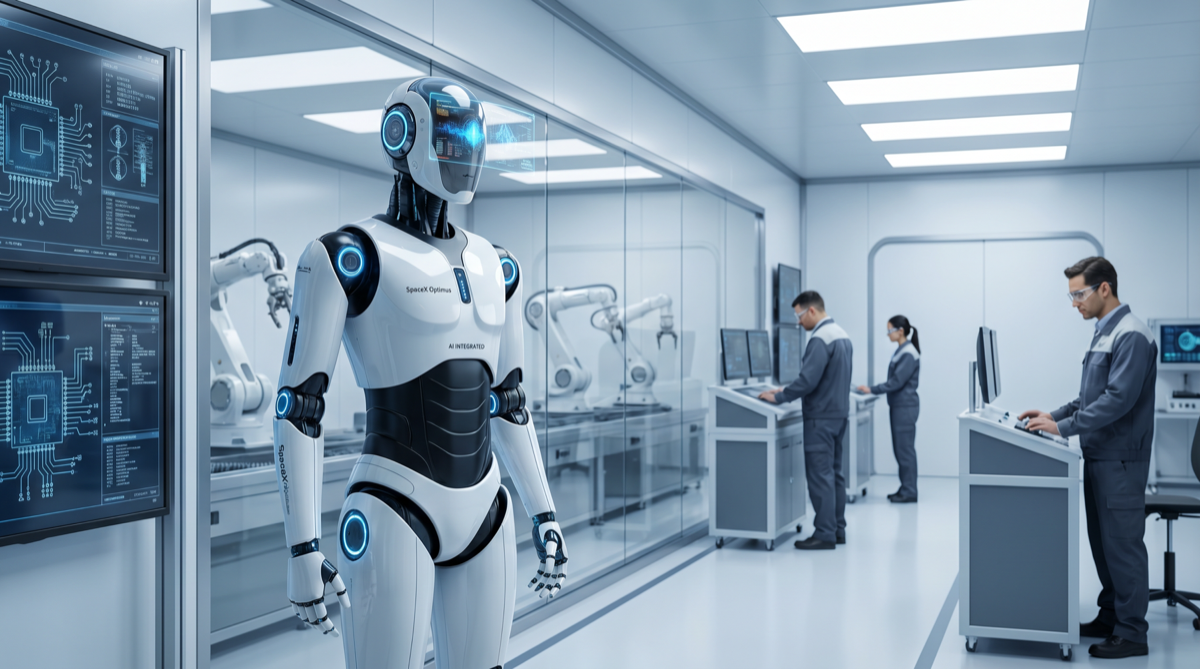
A demo can be staged around the cases a system handles well. Deployment exposes the long tail: reflective surfaces, blocked sensors, odd lighting, damaged equipment, impatient humans, unexpected objects, and rare combinations of ordinary problems. The gap between demo and deployment is where many robotics companies historically struggled.
The newest embodied AI systems inherit that history, but with more autonomy. They can generalize across tasks better than older robots, yet that flexibility also makes behavior harder to certify. A robot that only repeats one path can be fenced. A robot that reasons about new tasks needs a richer safety case.
Lifecycle Governance Matters
The important question is not whether an embodied AI system passed a single lab test. It is how the system is governed across its lifecycle. What happens when the model is updated? Who validates new behaviors? How are near misses reported? Can operators disable autonomy quickly? Are incident logs reviewed by people with authority to change the system?
This is where traditional safety engineering has something to teach AI. Aviation, automotive, medical devices, and industrial automation all evolved practices for hazard analysis, redundancy, maintenance, and certification. Embodied AI will need versions of those practices that can handle adaptive software.
The commercial stakes are large. Useful physical AI could change logistics, elder care, manufacturing, agriculture, labs, hospitals, and homes. But adoption depends on confidence that failures are bounded, observable, and recoverable. A spectacular demo may win attention. A credible safety case wins permission.
Robots Need Trust Before Scale
The next phase of embodied AI will probably be less glamorous than the videos suggest. It will involve checklists, standards, operator training, simulated edge cases, insurance, maintenance contracts, and local rules. That is not a slowdown. It is what technology looks like when it becomes real infrastructure.
Topics: embodied AI, robotics, safety engineering, autonomous systems