Research
Discovered Materials Is Using AI To Hunt The Cooler Chips Data Centers Need
The startup has raised a $9 million seed round to use AI agents and physics models to search for semiconductor materials that could improve heat management, though the hard work remains proving they can be manufactured.
By Michael G ·
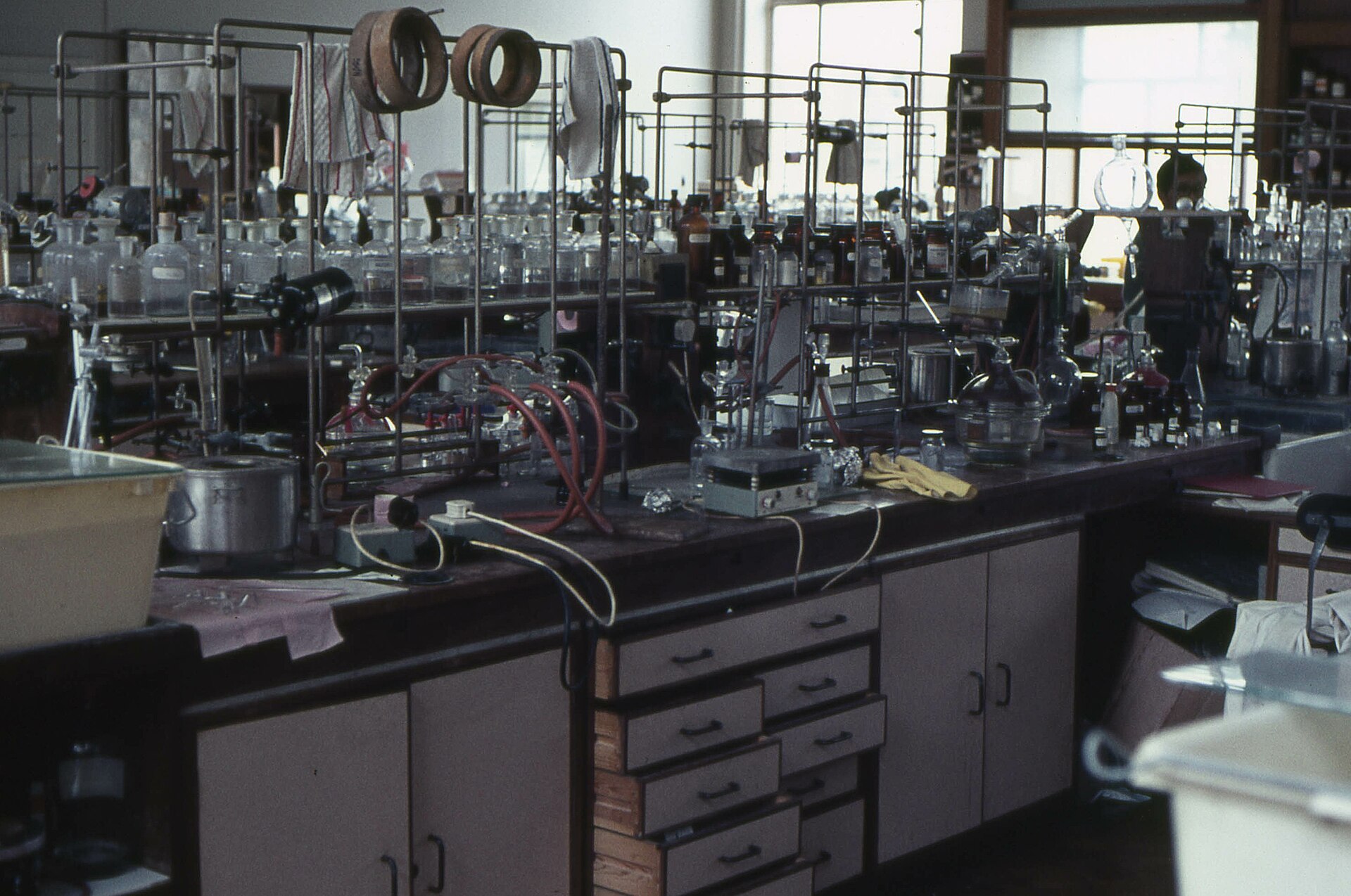
Discovered Materials has raised a $9 million seed round to use AI agents and physics models in the search for semiconductor materials that can make chips more efficient and easier to cool. The company says its system can generate and filter large numbers of candidates, taking a research process that once depended on a few manual guesses toward a far larger computational search.
The target is a physical constraint at the center of the AI buildout. Chips running heavy workloads produce heat, and data centers spend enormous amounts of power and capital managing it. A better material could reduce heat generation, improve dissipation or make a design easier to operate at a given performance level. None of that is as simple as finding an attractive number in a simulation.
Discovered Materials is combining frontier language models in a custom agent harness with physics models meant to test whether a proposed substance is worth pursuing. It has also released examples of materials and a benchmark to measure how models handle the discovery problem. That is a healthy direction: claims about AI science are more useful when other researchers can inspect the task and the result.
A candidate material has to satisfy several demands at once. It may need the right thermal, electrical and mechanical properties, but also a path through synthesis, wafer processing and chip manufacturing. Improving one variable can worsen another. That is why the founders describe the job as a kind of atomic-scale whack-a-mole.
The company is right to focus on validation. AI may expand the set of ideas a lab can test, but a commercially useful advance must survive experiments, manufacturing and qualification. The real measure will be whether the search produces a material that moves from an interesting prediction into a deployed chip.
Topics: materials science, AI chips, data centers