Research
Anthropic's Chip Team Shows Frontier Labs Want More Control Over Inference
Anthropic has confirmed plans to build a custom-silicon team, a move that connects model design to the harder economics of serving Claude at scale.
By Michael G ·
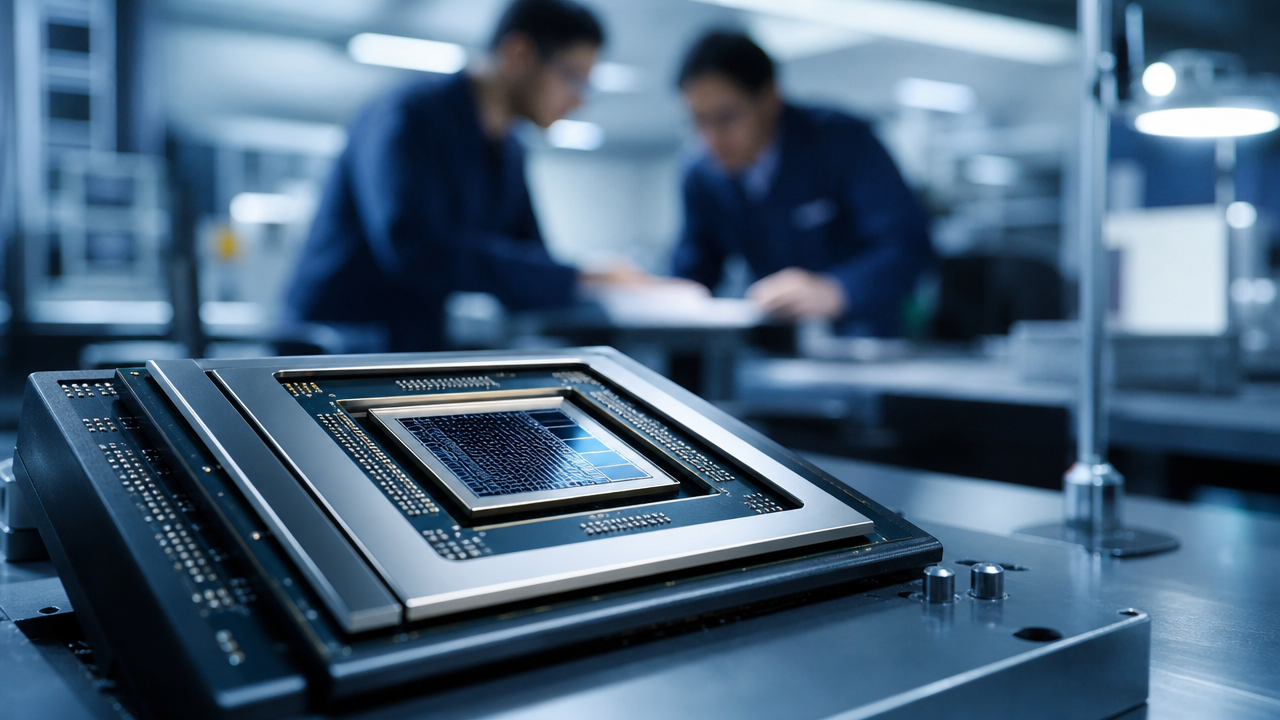
Anthropic has confirmed it is building a team to design custom chips for AI workloads, according to TechCrunch. The company says it wants to co-design hardware and models so Claude can run faster and more efficiently, a signal that access to rented compute is no longer enough for every frontier lab.
The engineering logic is straightforward. Training gets attention because it produces the next model, but inference is the continuous cost of answering customers. A system designed around a model family's precision, memory pattern and serving workflow can improve power use and throughput if the hardware and software assumptions hold together.
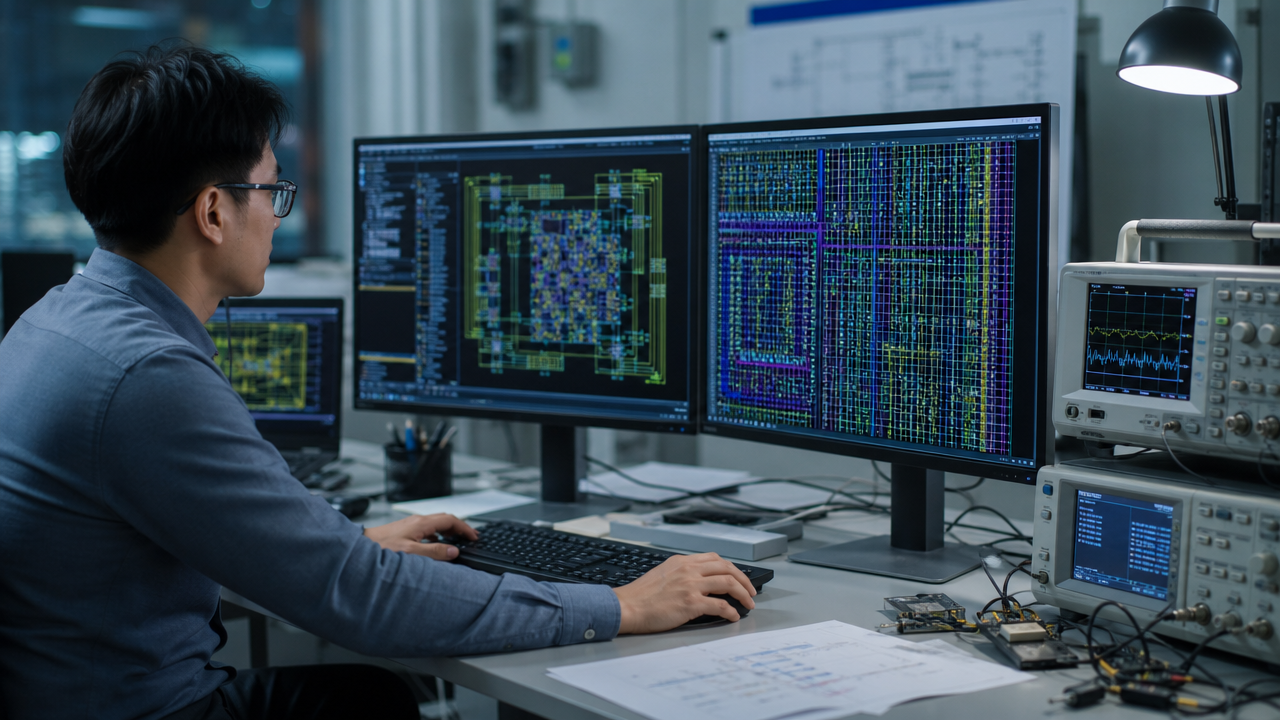
Anthropic is not abandoning outside suppliers. It has signed compute deals with AWS, Google, Nvidia and AMD. Its custom-silicon effort should be seen as another supply path, one that may take years to turn from job listings into qualified production hardware.
Google has long used TPUs, while Meta has developed MTIA accelerators and OpenAI has pursued an inference chip with Broadcom. The common thread is not a rejection of general-purpose GPUs. It is the belief that serving models at very high volume rewards tighter control over the stack.
The difficult work starts after the design. A chip has to be manufactured, packaged, brought up in systems and supported by compilers and kernels before it changes a customer experience. Anthropic's hiring plan is important because it begins that long engineering clock.
Topics: Anthropic, AI chips, inference