Research
OpenAI Pitches A National Science Program As AI Labs Seek A Bigger Public Role
OpenAI says it wants to work with national laboratories, universities and government on scientific AI, placing frontier models deeper inside public research priorities and accountability debates.
By Michael G ·
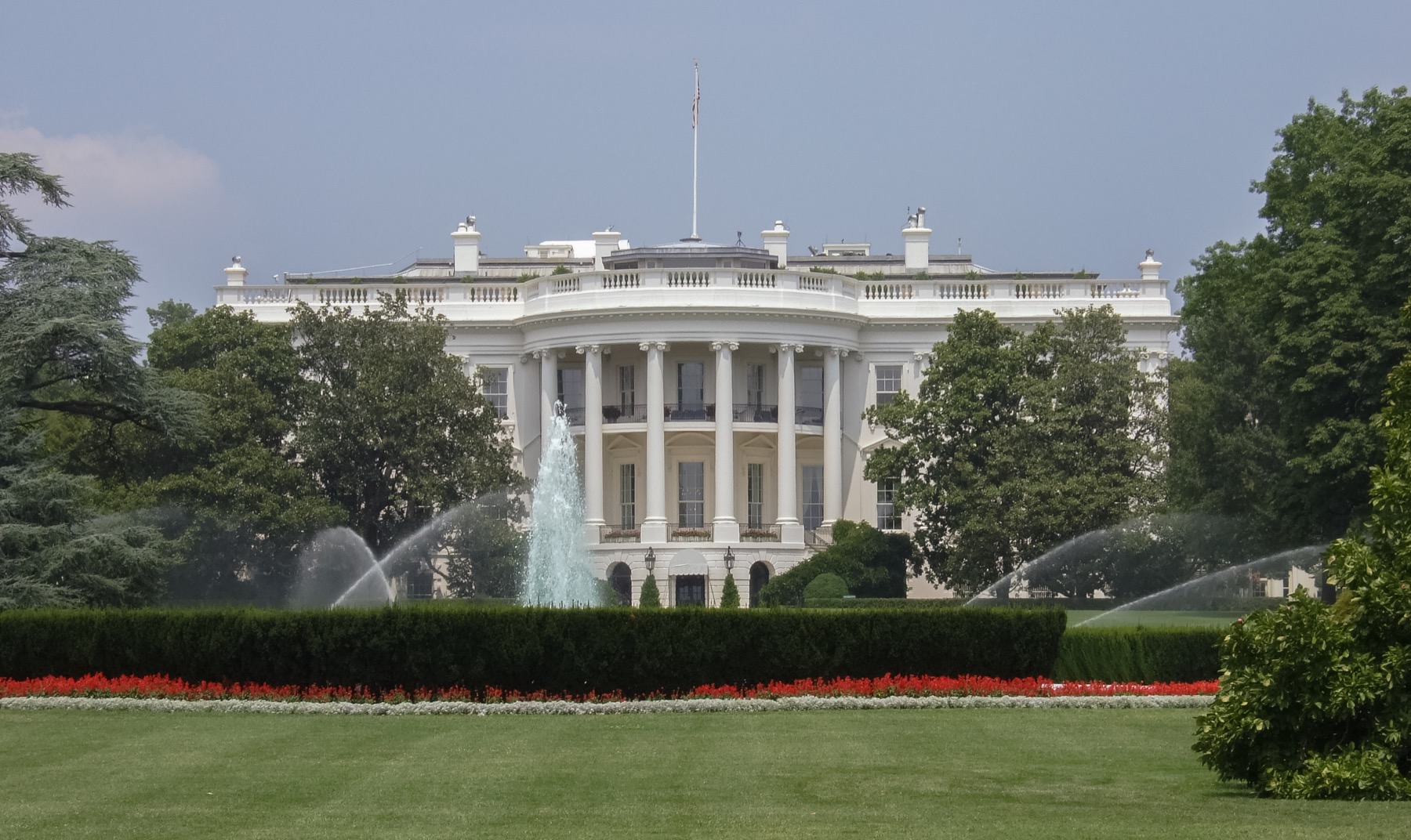
OpenAI is making a case for a larger role in public science. In a July 22 statement, the company said it wants to work alongside national laboratories, universities and government to apply frontier AI to sustained scientific and economic progress. The language positions the lab as more than a consumer-product company: it is an invitation to treat model access, compute and scientific workflows as part of national research capacity.
The opportunity is credible. Models can help researchers navigate literature, write code, propose experiments and connect patterns across large datasets. But a science program is not measured by a polished model demonstration. It is measured by reproducible methods, better experiments, faster validation and institutions that retain the ability to examine how a result was reached.
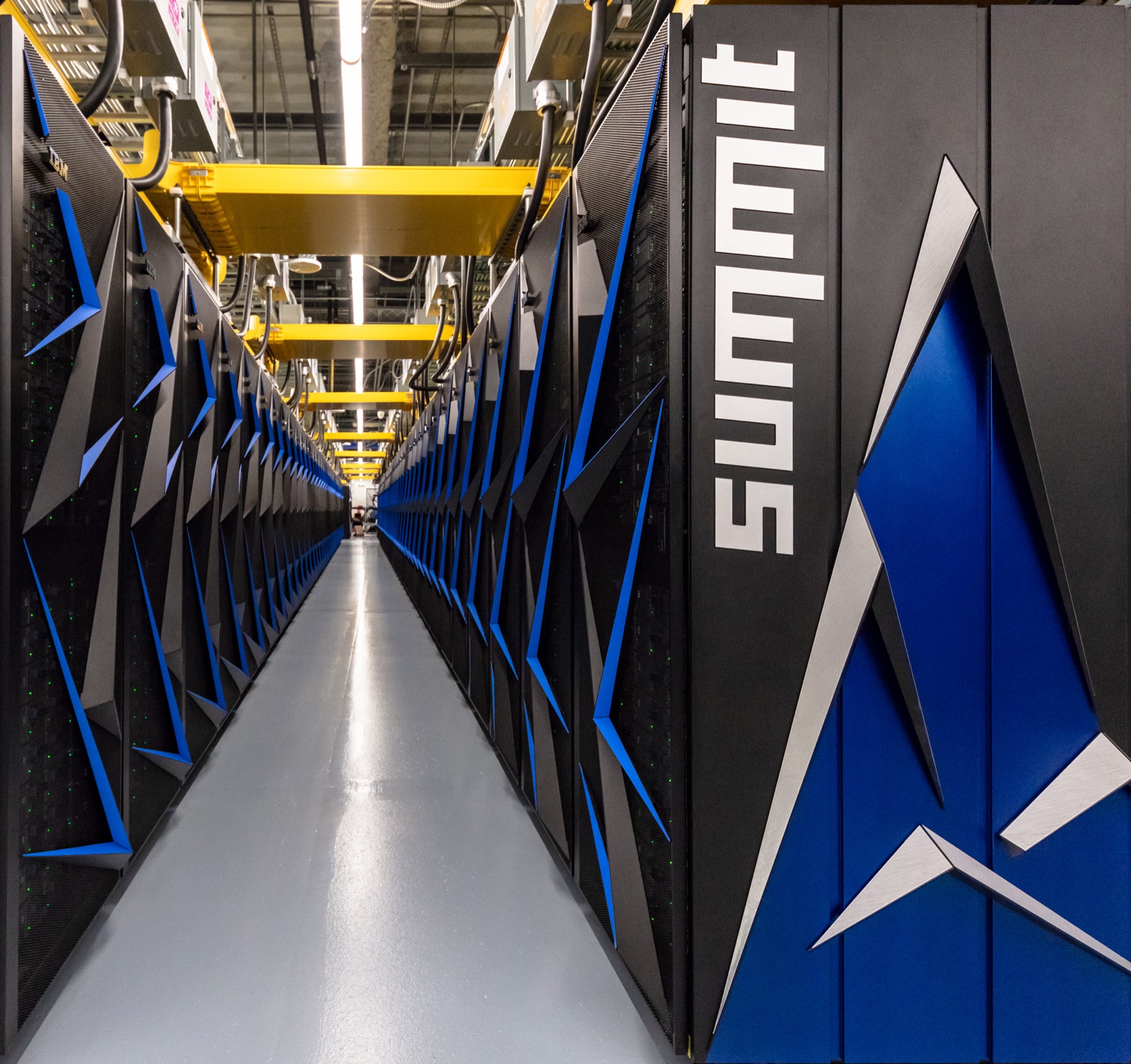
Public research partnerships also require different governance from ordinary software procurement. Universities and laboratories need clarity about data rights, publication rules, model access, export controls and whether research outputs can be independently reproduced. A provider may offer powerful tools, but it cannot become the sole interpreter of results that shape public science policy or public investment.
There is a practical infrastructure issue as well. Scientific AI needs more than a chatbot connected to papers. It needs secure access to instruments, simulation environments, specialized datasets and researchers who can decide when a model's hypothesis is worth testing. The bottleneck may be the experiment, the compute cluster, a licensing rule or a skilled operator, not the model's ability to generate an idea.
OpenAI's initiative will be judged by the structure of the partnerships it builds. The strongest version would give public institutions durable capability, transparent evaluation and room for competing tools. The weakest would turn public research into a demand channel for a single proprietary platform. That distinction will matter as governments decide how much of scientific AI should be bought, built or governed as public infrastructure.
Topics: OpenAI, science, national laboratories, research