Research
Scientific AI Moves From Paper Gains To Lab Validation
AI biology tools are becoming more capable at literature synthesis, hypothesis generation and experimental planning, but the hard test remains wet-lab evidence and clinical translation.
By Michael G ·
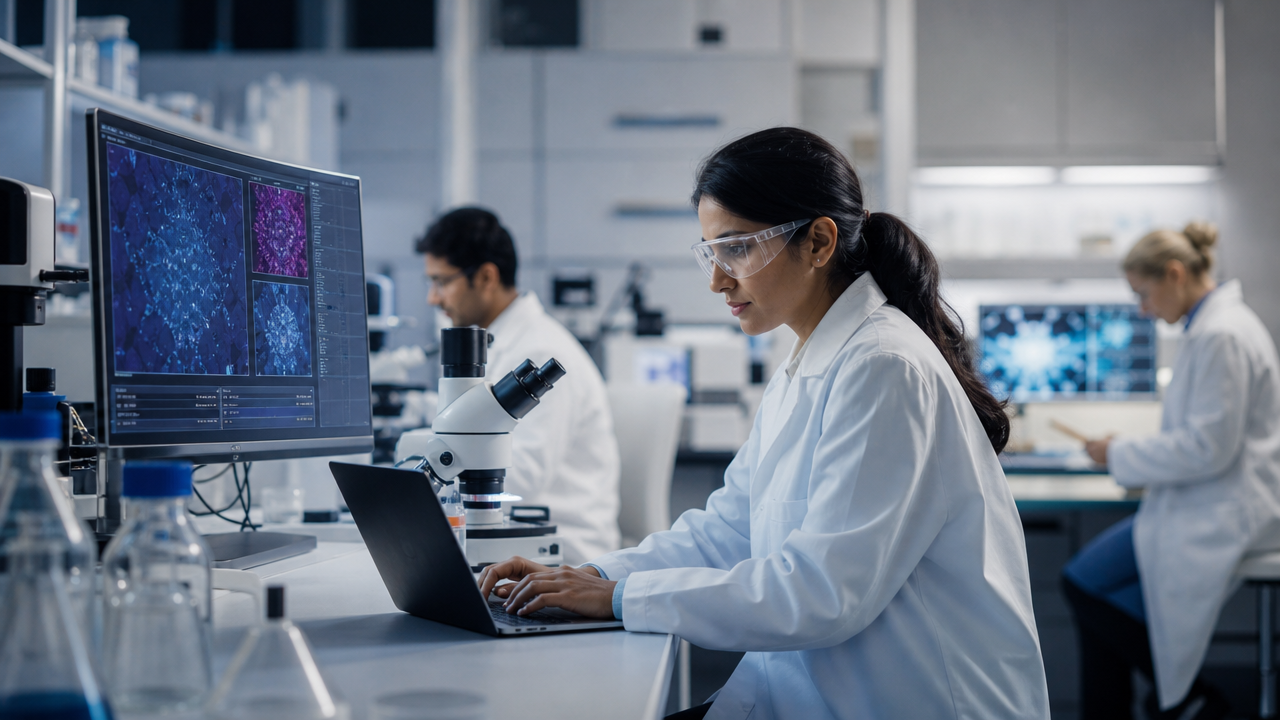
Scientific AI is moving out of the paper-demonstration phase and into the harder world of lab validation. The question is no longer whether models can generate plausible biological hypotheses. It is whether those hypotheses are worth scarce experimental time.
The progress is real. AI systems can help researchers search literature, compare proteins, propose molecules, summarize results, draft protocols and identify contradictions across datasets. For a scientist drowning in papers and fragmented data, that can be meaningful productivity.
But biology is not a benchmark leaderboard. A molecule that looks promising in silico can fail because it is toxic, unstable, poorly absorbed, difficult to manufacture or ineffective in a living system. A pathway that appears clear in a paper may behave differently in a cell line, animal model or patient population.
That is why scientific AI needs traceability. Researchers need to know why a model suggested an experiment, which evidence it relied on, which assumptions it made and how the result should be tested. A fluent answer is not enough when lab budgets and clinical decisions are on the line.

The most useful systems may look less like autonomous scientists and more like careful research copilots. They can reduce friction, surface weak signals, warn about contradictory evidence and help design experiments. The human scientist remains responsible for judgment, context and interpretation.
That division of labor matters because scientific discovery is cumulative and adversarial. Claims have to survive replication, peer review, failed experiments, changing methods and regulatory scrutiny. Models can speed parts of the process, but they do not eliminate the need for evidence.
The business risk is overpromising. Companies can make AI drug discovery sound like software deployment, but clinical development remains slow, expensive and uncertain. Investors will eventually ask whether models are producing better candidates, faster decisions and fewer dead ends, not only better demos.

The field's credibility will be built by teams that are honest about uncertainty. A system that says what it does not know, points to the evidence behind its suggestion and helps design a decisive experiment may be more valuable than a model that sounds brilliant but cannot be audited.
Scientific AI will not replace the lab. If it succeeds, it will make the lab's attention more valuable.
Topics: scientific AI, biology, drug discovery, research