Research
A New AI Drug-Discovery Startup Tests Whether Research Talent Can Become A Biotech Business
Reports that OpenAI researcher Miles Wang is planning an AI drug-discovery company show how the competition for frontier talent is spilling into a biotech market where model capability must still survive laboratory reality.
By Michael G ·
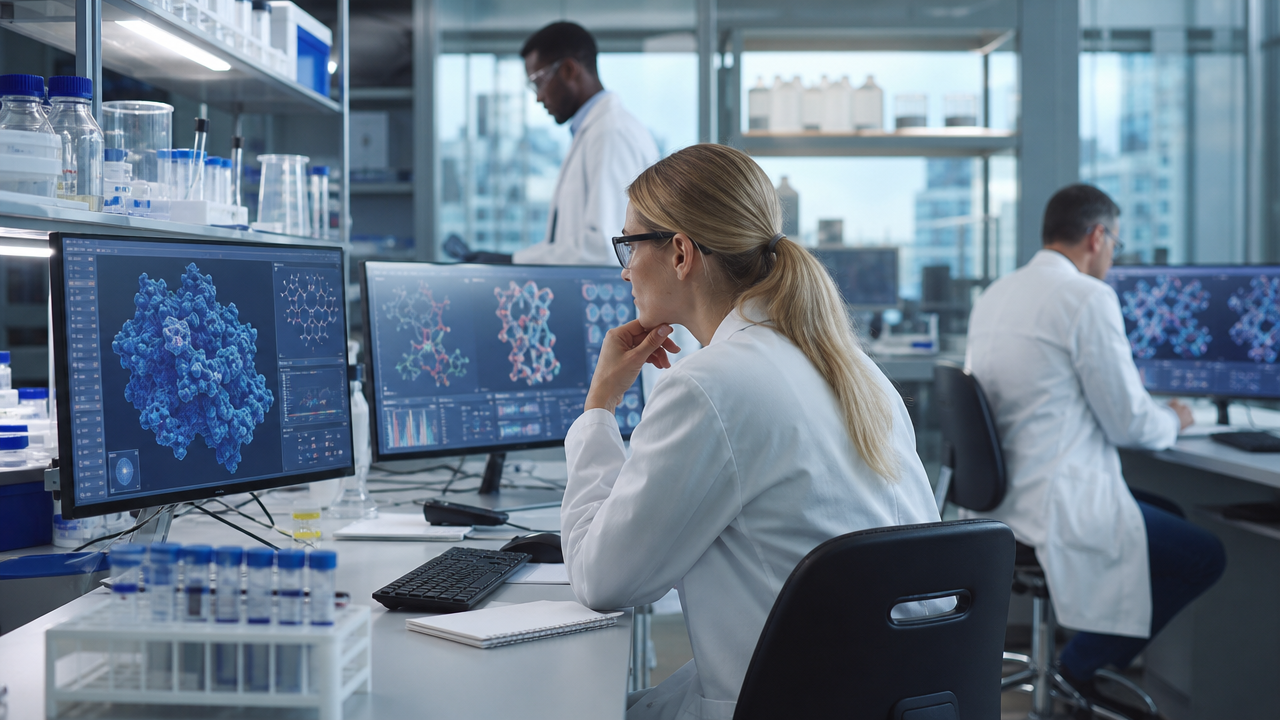
Reports that OpenAI researcher Miles Wang is planning an AI drug-discovery startup show how frontier-AI talent is moving into a biotech market that promises enormous upside but still demands laboratory proof.
Models can search literature, propose molecules and help researchers decide which experiments are worth running. The hard part is that biology does not reward a convincing answer unless it survives the lab.
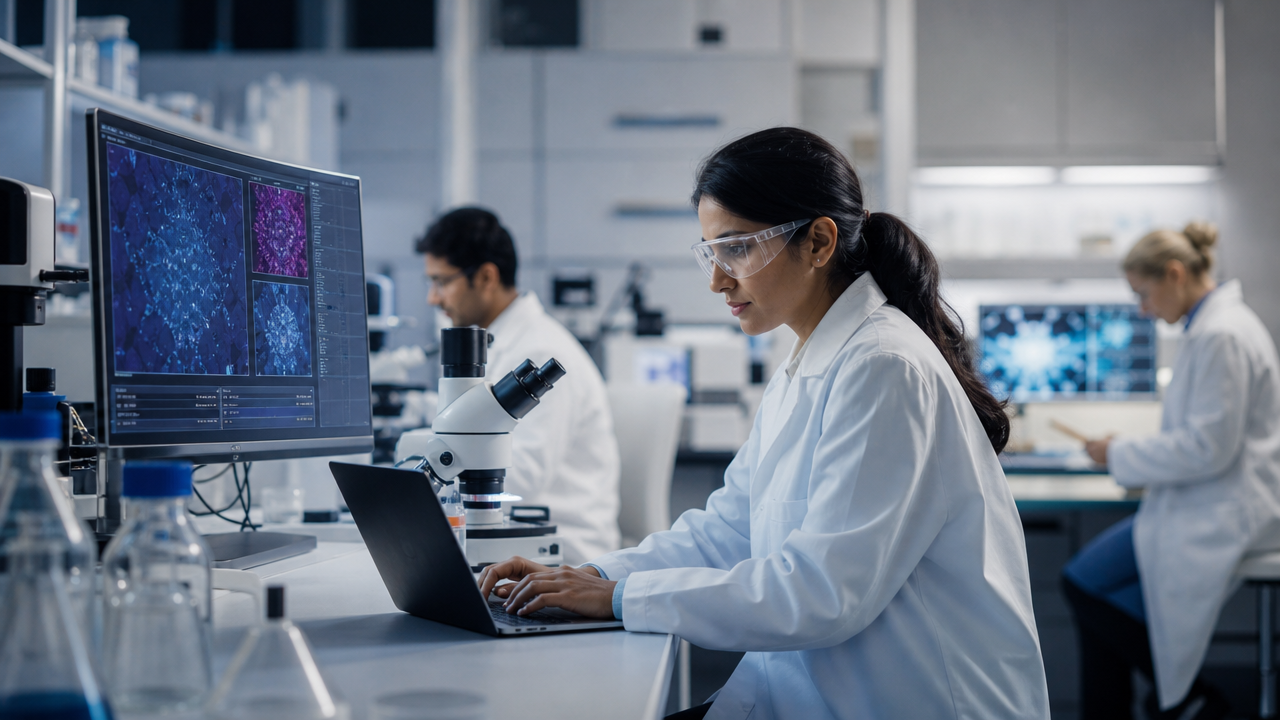
Investors will look beyond model pedigree to experimental partners, data rights and whether the company can reduce the time or cost of finding a viable candidate. Drug candidates can fail because of toxicity, delivery, manufacturing or biology that no benchmark fully captures.
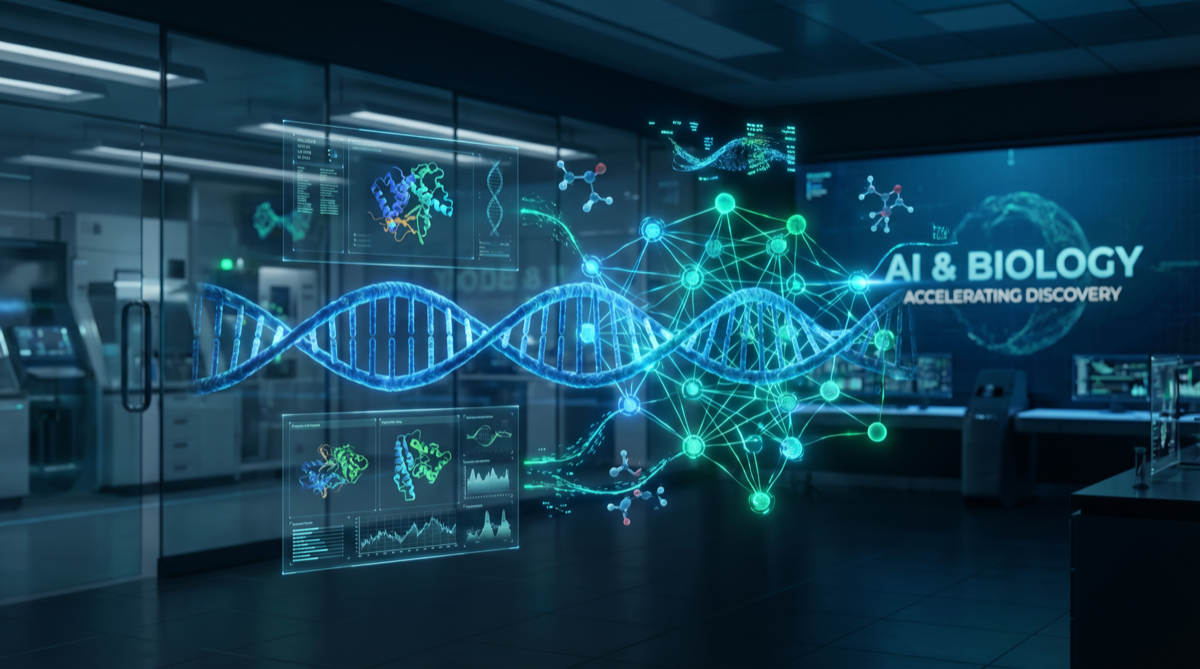
The opportunity is still compelling. A team that can eliminate bad paths earlier or find stronger candidates faster can create value without claiming that the lab has been replaced.
Topics: AI drug discovery, biotech, OpenAI