Technology
Anthropic Secures $45 Billion SpaceX Compute Deal—Reshaping AI Infrastructure
Anthropic has agreed to pay SpaceX nearly $45 billion over the next three years for dedicated computing capacity, signaling a fundamental shift in how frontier AI labs secure computational resources.
By Patrick T ·
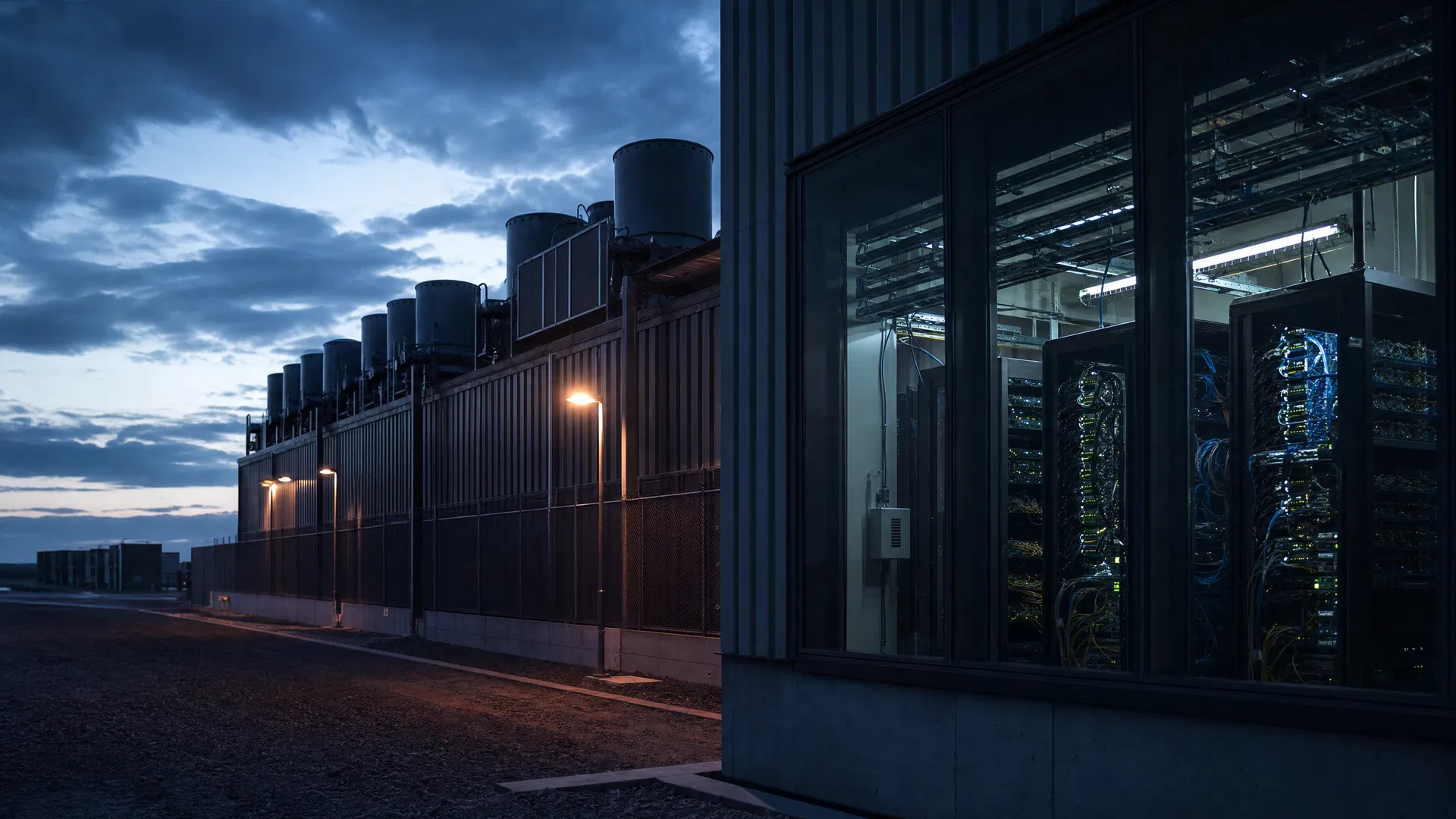
In a landmark move that signals the intensifying infrastructure arms race in artificial intelligence, Anthropic has agreed to pay SpaceX nearly $45 billion over the next three years for dedicated computing capacity. The agreement, announced this week, commits Anthropic to paying $1.25 billion per month through May 2029, with either party able to terminate with 90 days' notice.
The partnership represents a fundamental shift in how frontier AI labs secure the computational resources necessary to train and operate large language models. Rather than relying on traditional cloud providers or building proprietary data centers, Anthropic is betting on SpaceX's newly constructed Colossus data center facilities—with the initial agreement covering capacity at two separate locations, including the Memphis-based Colossus 1.
The Compute Crunch and Strategic Positioning
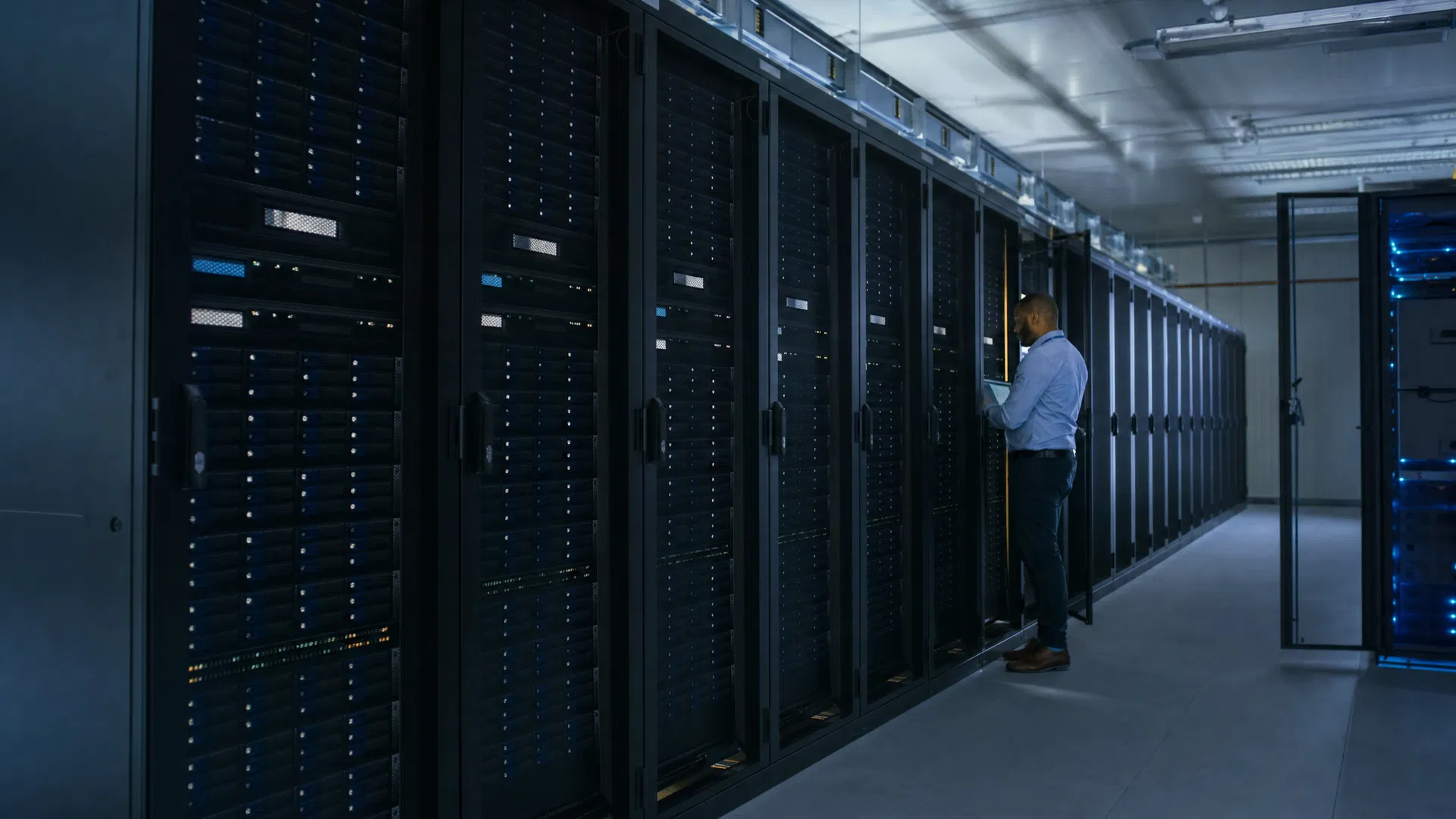
The AI industry has reached an inflection point where computational capacity, not algorithmic innovation, increasingly determines competitive advantage. Training frontier models like Anthropic's Claude requires millions of GPU hours, with costs scaling into the hundreds of millions of dollars per model iteration. The scarcity of high-end GPU clusters—particularly NVIDIA H100s and newer architectures—has created a bottleneck that threatens to slow the pace of AI advancement.
By securing dedicated capacity through SpaceX, Anthropic gains several strategic advantages. First, the company ensures predictable access to compute resources without competing for capacity on shared cloud platforms. Second, the long-term commitment allows Anthropic to negotiate favorable pricing and customize infrastructure to its specific workload requirements. Third, the partnership provides operational independence from cloud providers, reducing vulnerability to policy changes or supply disruptions.

Why SpaceX?
SpaceX's entry into the data center market, while surprising to some, aligns perfectly with Elon Musk's broader strategy of vertical integration. The company already operates extensive power generation and cooling infrastructure to support rocket manufacturing and launch operations at its facilities worldwide. Repurposing these capabilities for AI compute represents an efficient use of existing assets and expertise. Moreover, SpaceX's experience managing complex, mission-critical systems translates well to the demands of running frontier AI infrastructure at scale.
The financial terms of the deal also reveal Anthropic's confidence in the partnership. At $1.25 billion per month, the company is committing to a level of spending that demonstrates its belief in the long-term viability of its business model. This is not a short-term arrangement—it's a strategic bet that Anthropic will remain one of the leading AI labs for at least the next three years.
Implications for the AI Landscape
The Anthropic-SpaceX deal carries significant implications for the broader competitive dynamics in AI. OpenAI, which has been exploring its own IPO, faces pressure to secure comparable compute commitments. Google, despite its massive internal infrastructure, may find itself at a disadvantage if it cannot match the pricing and availability guarantees that long-term partnerships like this one provide. Microsoft, which has invested heavily in OpenAI, may need to expand its own infrastructure partnerships to ensure adequate compute capacity for its AI initiatives.
The Sustainability Question
The agreement also raises questions about the sustainability of the current AI investment trajectory. At $45 billion over three years, Anthropic's compute spending alone exceeds the annual revenue of most Fortune 500 technology companies. This spending level is only sustainable if the company can monetize its AI capabilities at sufficient scale—a challenge that remains unproven for most AI labs outside of OpenAI. The company's Claude API and enterprise offerings generate revenue, but at current volumes, they fall far short of covering the company's infrastructure costs.
For SpaceX, the deal represents a new revenue stream and validates its infrastructure capabilities. For Anthropic, it provides the computational certainty necessary to execute its long-term research roadmap. For the broader AI industry, it signals that the infrastructure arms race is intensifying and that only well-capitalized companies with strategic partnerships will be able to compete at the frontier.