Technology
SpaceX Files $2 Trillion IPO—The Largest in History with AI Compute at Its Core
SpaceX filed its long-awaited S-1 for the largest IPO in history, targeting a $1.75–$2 trillion valuation with a June 12 Nasdaq debut. The filing reveals a $1.25 billion monthly compute deal with Anthropic and exposes significant financial and operational risks beneath the company's ambitious vision.
By Michael C ·
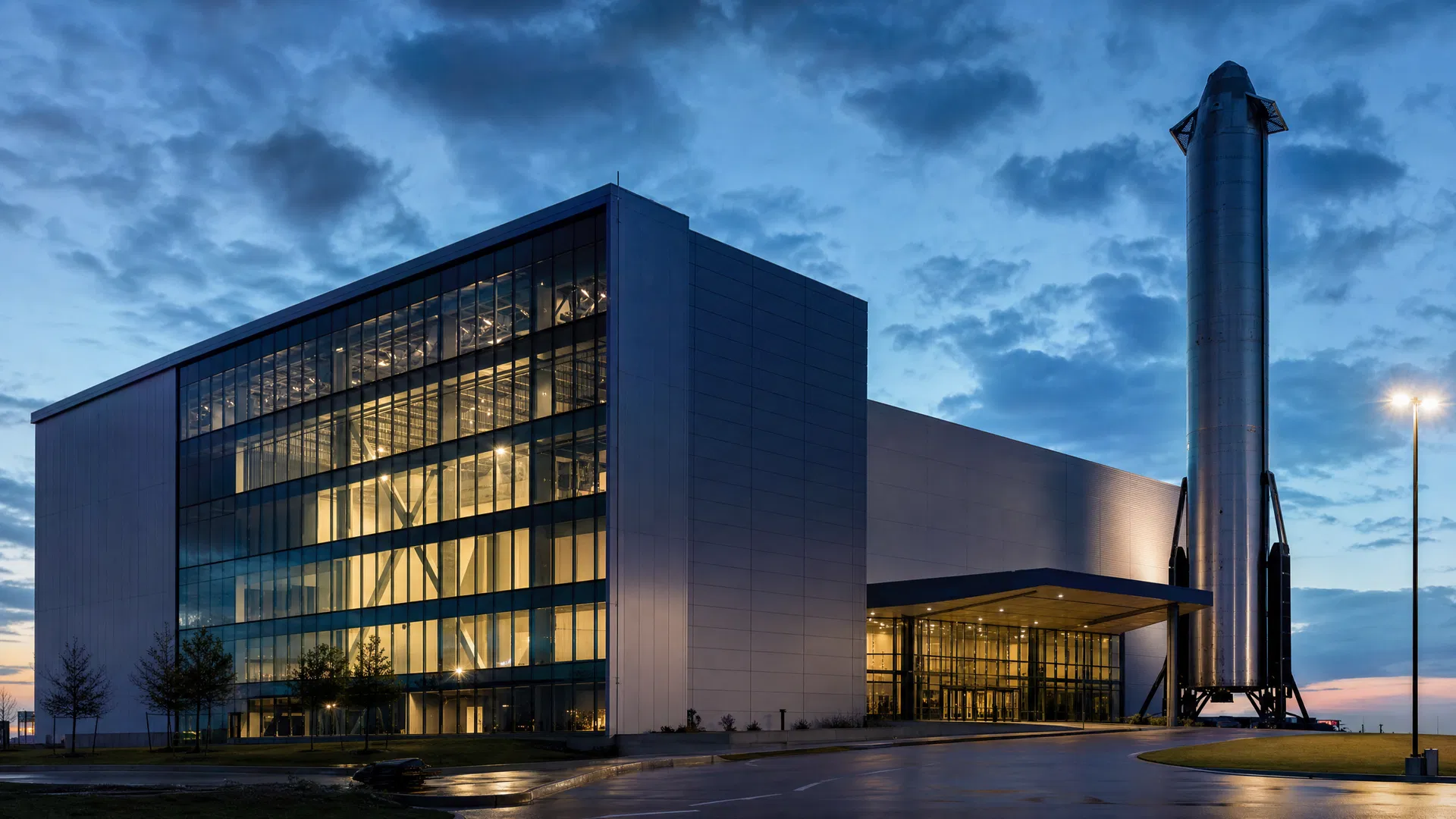
The Largest IPO in History Arrives with Massive Ambitions and Significant Risks
SpaceX filed its long-awaited S-1 on May 20, 2026, targeting the largest initial public offering in history. The company is seeking to raise $75 billion at a valuation of $1.75–$2 trillion, with a planned Nasdaq debut under the ticker SPCX on June 12. The filing represents the first time Elon Musk's space company has disclosed its complete financial profile to the public, revealing both the scale of its operations and the magnitude of its challenges.
The S-1 paints a picture of a company in transition. In 2025, SpaceX generated $18.7 billion in revenue (up 33% year-over-year) but posted a $4.9 billion net loss. In Q1 2026, the company lost $4.3 billion while burning through $9 billion in cash, leaving it with $16 billion on hand against $29 billion in debt, including a $20 billion bridge loan from the xAI acquisition. These figures underscore a fundamental challenge: SpaceX is investing heavily in future capabilities—particularly AI infrastructure—while its core business (Starlink and launch services) generates positive cash flow but not enough to fund the company's ambitions.
Starlink and xAI: The Revenue Drivers Behind the Valuation
The crown jewel of SpaceX's business is Starlink, which generated $4.4 billion in operating income in 2025 (doubling year-over-year) and reached 10.3 million subscribers. In Q1 2026, Starlink contributed $2.1 billion in revenue, up 44% sequentially. The satellite internet service is now the company's most profitable division and the primary justification for the massive valuation.
xAI, SpaceX's AI subsidiary, contributed $475 million in Q1 2026 revenue through Grok, its ChatGPT competitor. However, xAI's growth rate (23% in 2025) lags far behind Anthropic (1,000%+) and OpenAI (~300%), suggesting that the AI cloud business remains an afterthought within SpaceX's portfolio. This is where the Anthropic compute deal becomes critical.
The $1.25 Billion Monthly Anthropic Deal: Reshaping AI Infrastructure Economics
The most significant new revenue line in the S-1 is a $1.25 billion per month compute deal with Anthropic that runs through May 2029, totaling approximately $40 billion. The agreement includes a 90-day cancellation clause for either party, meaning neither company is locked in long-term. This deal represents a fundamental shift in how frontier AI labs secure computational resources and signals SpaceX's ambition to become a critical infrastructure provider for the AI industry.
The Anthropic deal is significant for several reasons. First, it provides SpaceX with predictable, recurring revenue that can help offset the company's massive capital expenditures on AI infrastructure. Second, it validates SpaceX's orbital compute vision—the company's plan to deploy AI compute capacity on satellites and orbital platforms. Third, it demonstrates that Anthropic is willing to pay a premium for compute capacity outside the traditional cloud provider ecosystem, suggesting that capacity constraints remain acute across the industry.
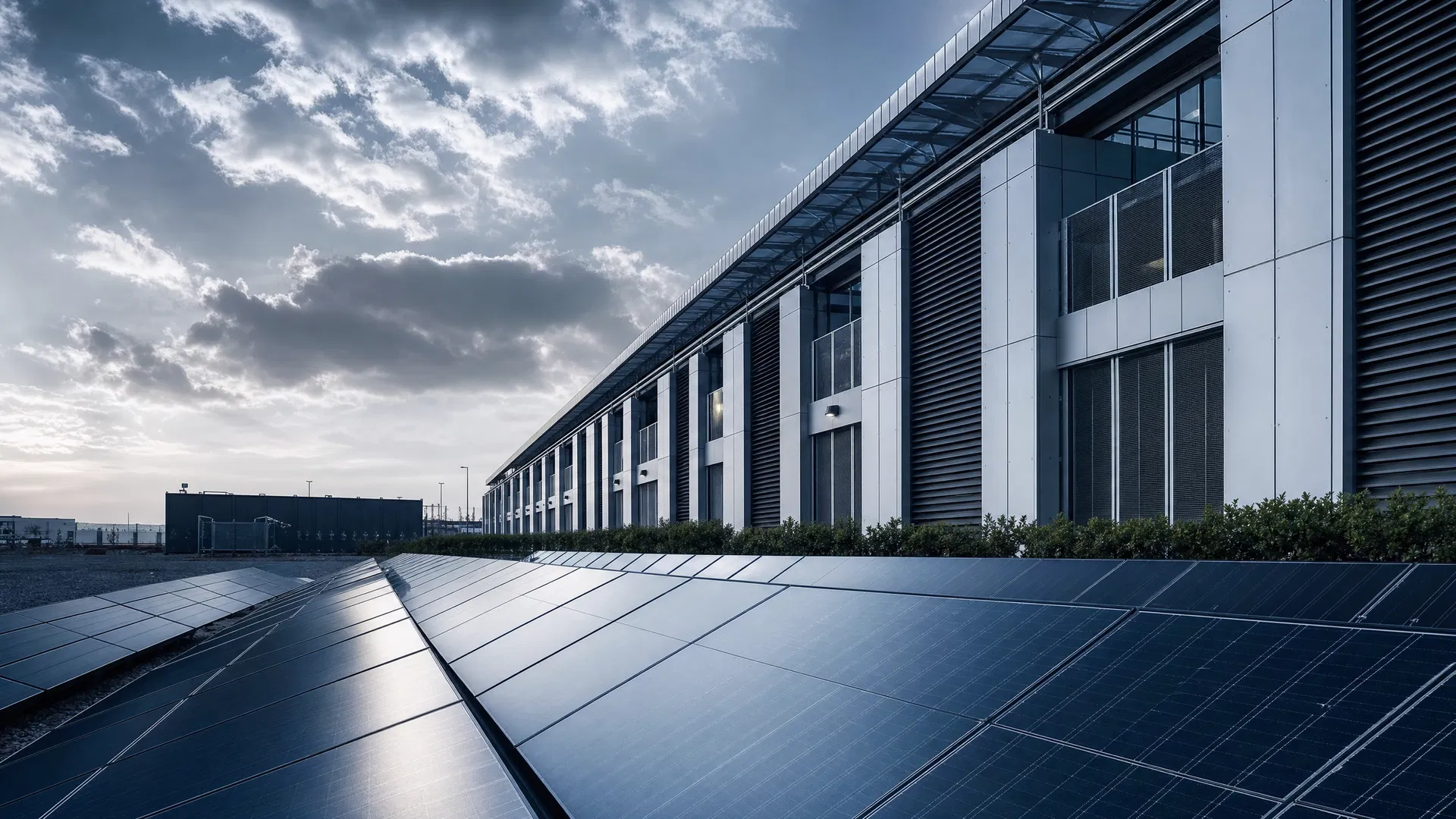
Red Flags in the Prospectus: Unproven Technology and Massive Capital Requirements
The S-1 includes several significant risk factors that analysts and investors are scrutinizing carefully. Capital expenditures on AI infrastructure tripled to $7.7 billion in Q1 alone, raising questions about whether SpaceX can sustain this investment pace without additional capital raises. Starship, the company's flagship reusable super-heavy lift vehicle, has cost $15 billion to develop and remains not yet commercially operational—it is listed as the company's top risk factor.
The Terafab chip venture with Tesla and Intel is described in the S-1 as a 'general framework' with neither party obligated to proceed. Orbital data centers are framed with the frank disclaimer: 'No one has previously operated orbital AI compute.' These statements suggest that SpaceX's most ambitious plans remain highly speculative. Additionally, Elon Musk's 85%+ voting control via super-voting shares means there are no checks on his power, a governance structure that some institutional investors view with skepticism.
Wall Street's Reaction: Skepticism Meets Ambition
Analyst reaction to the S-1 has been mixed. Piper Sandler's Lauren Webster called the filing 'aspirational' and 'visionary,' adding the familiar Wall Street caveat: 'I don't know if I have fully truly believed any TAM put in a prospectus.' Bloomberg Intelligence's Mandeep Singh was more direct: 'When I compare it to Alphabet, I find only the Starlink part to be sustainable in terms of revenue and margins. All in all, I think the free-cash-flow potential is far lower than any of the other hyperscalers.'
The divergence in analyst views reflects a fundamental question: Is SpaceX a space company with an AI compute side business, or an AI infrastructure company that happens to also operate satellites and rockets? The answer will determine whether the $2 trillion valuation is justified or represents a speculative bubble in the AI infrastructure space. For investors, the IPO presents a rare opportunity to participate in a company at the intersection of space, AI, and infrastructure—but one that comes with substantial execution risk and governance concerns that cannot be easily dismissed.
The June 12 Nasdaq debut will be one of the most closely watched market events of 2026. If SpaceX prices at the top of its range and the stock trades well on its first day, it will validate the AI infrastructure investment thesis and likely trigger a wave of similar IPOs from other AI infrastructure companies. If the stock struggles, it could signal that the market has reached its limits for speculative AI valuations—a development that would have significant implications for the entire AI industry.