Technology
Anthropic And Samsung Discuss Custom AI Chip Partnership
Anthropic is reportedly in talks with Samsung about a custom AI chip, adding another frontier lab to the list of model companies trying to gain more control over compute cost, performance, and supply.
By Elvin C ·
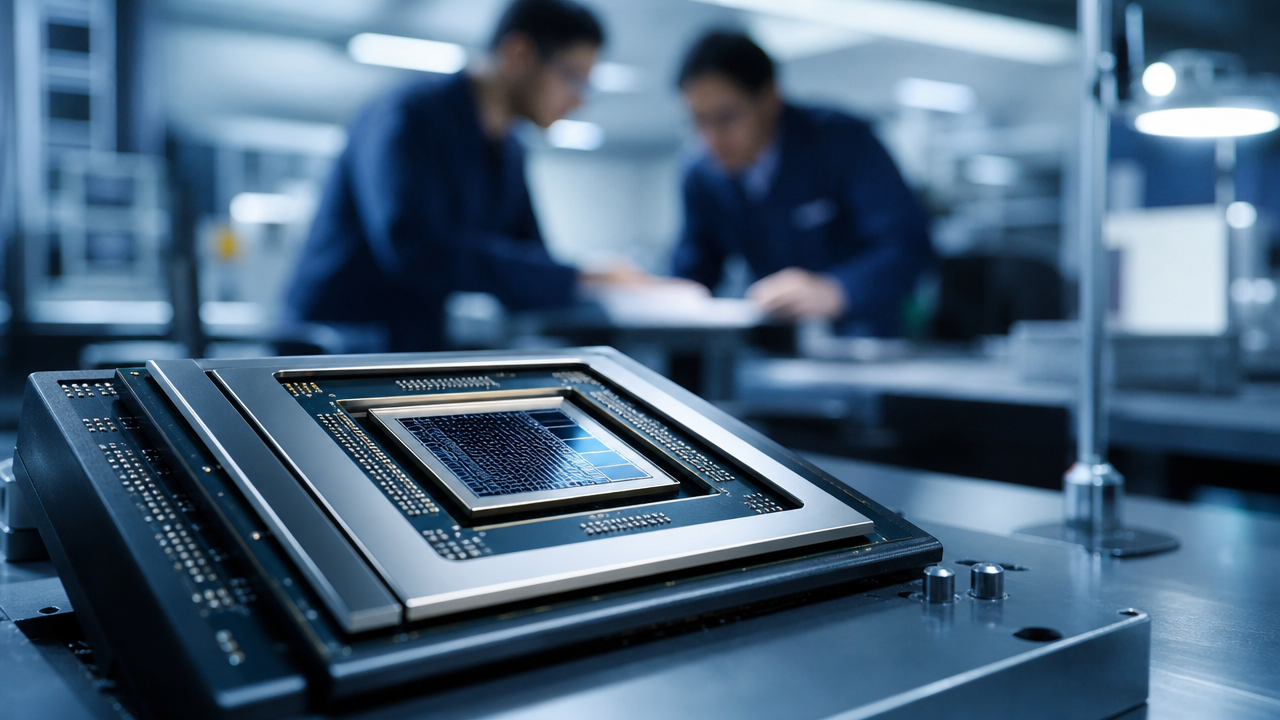
Anthropic is reportedly in talks with Samsung to develop a custom AI chip, a move that would push the Claude maker deeper into the hardware strategy now reshaping the economics of frontier AI.
The Economic Times, citing The Information, reported that the companies have discussed a potential partnership around specialized chips for Anthropic's models. The talks follow a broader pattern: AI labs are trying to reduce dependence on general-purpose GPU supply and gain more leverage over performance, power use, and inference cost.
Custom silicon does not mean a lab can quickly replace Nvidia. It means the largest model companies want options. When a company spends billions on training and serving models, even small efficiency gains can matter. A chip tailored to the model's inference patterns can become a financial weapon.
For Anthropic, the motivation is clear. Claude is being pushed into coding, enterprise workflows, scientific tools, and agentic systems. Those products create heavy inference demand. If usage grows faster than revenue per query, compute cost can become the constraint on growth.
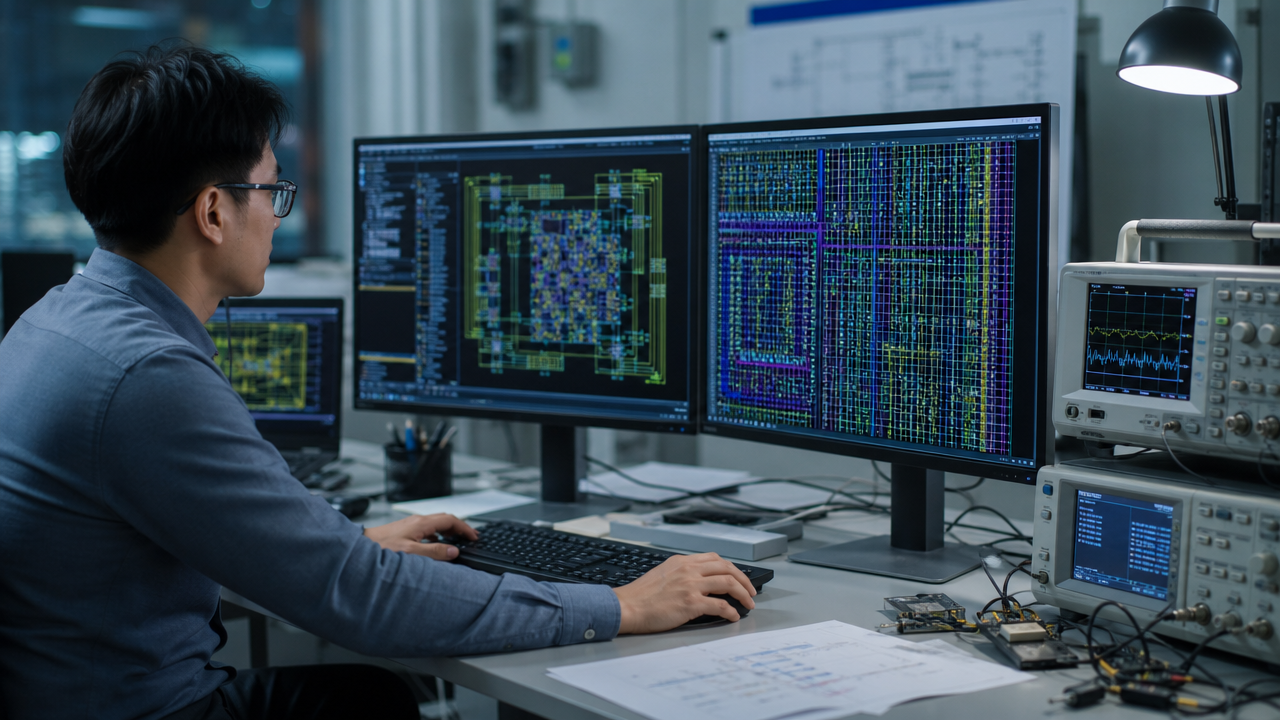
Samsung would bring manufacturing scale, memory expertise and advanced packaging experience. That matters because AI chips are not only about the processor. They depend on memory bandwidth, interconnect, packaging, power delivery and software support. A strong chip design can still fail commercially if the surrounding system is weak.
The partnership would also give Samsung another path into the AI infrastructure boom beyond selling memory. If the company can help frontier labs design or manufacture custom accelerators, it becomes more than a component supplier. It becomes part of the architecture of model deployment.
The risk is execution. Designing a custom accelerator is expensive, slow and unforgiving. Nvidia's advantage is not only chips, but CUDA, networking, systems engineering, developer familiarity and years of production experience. A custom chip has to beat that full stack for a specific workload, not just look attractive on a roadmap.
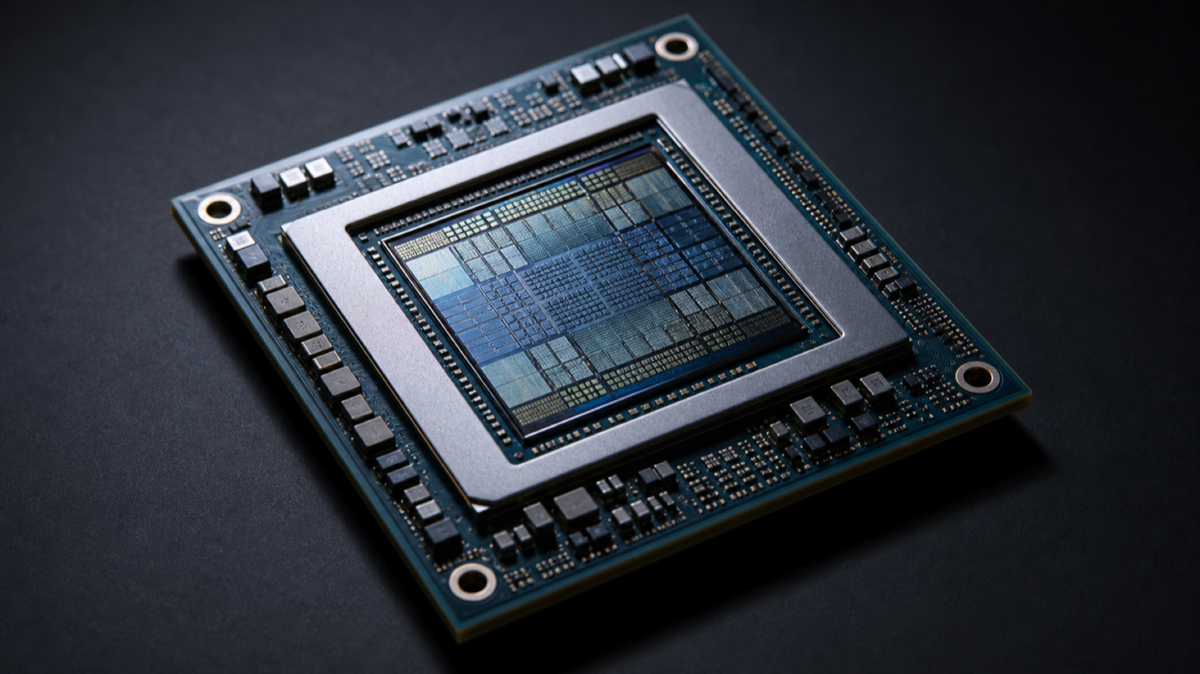
For investors, the talks are another sign that model labs are behaving more like hyperscalers. They are not content to rent infrastructure forever. They want to shape the hardware stack that defines their margins.
That does not make an Anthropic-Samsung chip inevitable. But it makes the direction obvious. Frontier AI is moving from model competition into infrastructure control, and custom silicon is becoming one of the places where that fight will be decided.
Topics: Anthropic, Samsung, AI chips, custom silicon