Technology
Meta's AI Chip Ambitions Show The Race To Escape Nvidia Dependency
Meta's reported push toward more in-house AI chip design reflects a broader industry effort to control costs, supply, and infrastructure roadmaps as frontier model spending accelerates.
By Elvin C ·

Meta's reported effort to accelerate in-house AI chip design is a financial story before it is a semiconductor story. The company is trying to reduce how much of its AI future depends on another company's supply, pricing and product cadence.
For years, Nvidia has been the toll road for frontier AI. Its GPUs, networking stack and software ecosystem turned demand for larger models into extraordinary market power. The obvious response from hyperscalers and model companies is to build alternatives, not necessarily to replace Nvidia immediately, but to gain leverage and match hardware more closely to internal workloads.
Meta has a special incentive to do this because it is spending at a scale that makes small efficiency gains meaningful. A custom chip that improves inference economics, reduces power draw or frees the company from waiting on constrained supply can change the operating cost of AI across Facebook, Instagram, WhatsApp, ads, creator tools and internal research.
The difficulty is that custom silicon is not a press release business. It requires architecture choices, compiler support, developer tools, manufacturing capacity, packaging, memory supply, thermal design and a roadmap that can survive model strategy changes.
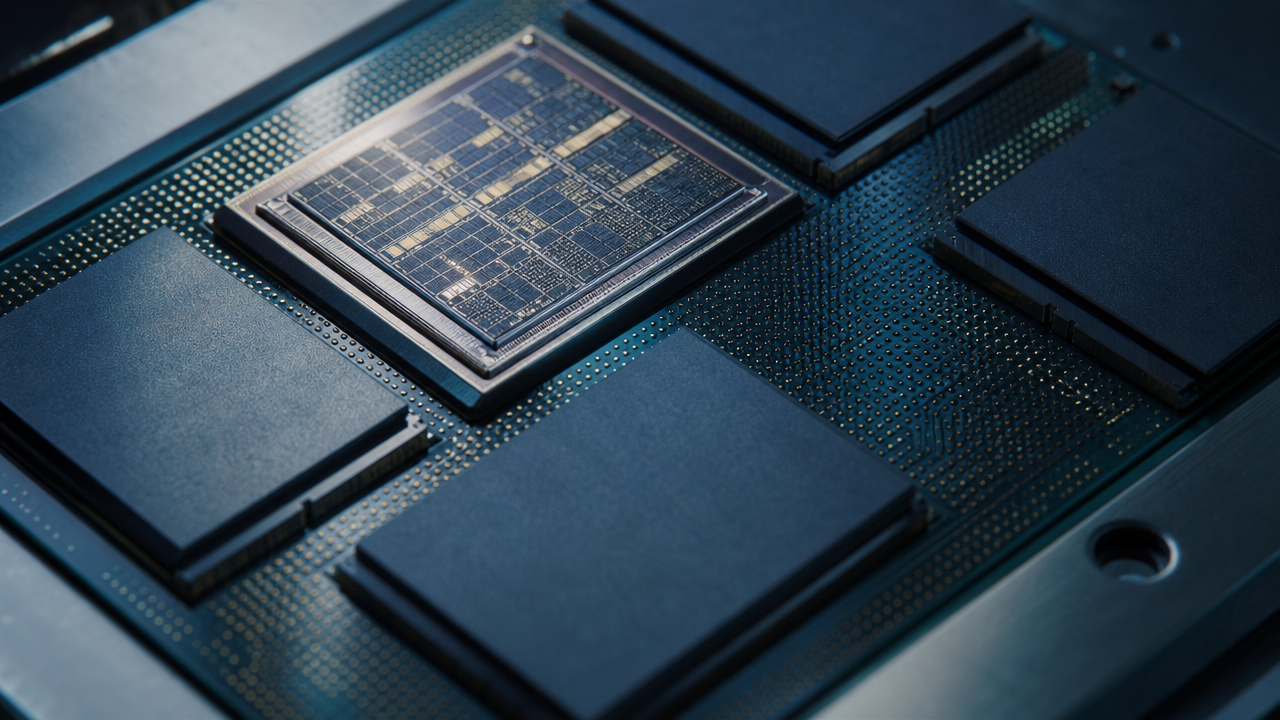
That is why the most realistic outcome is not a clean Nvidia replacement. It is workload segmentation. Some training and frontier research may remain on Nvidia systems because the ecosystem is mature and flexible. Some high-volume inference, recommendation and internal platform workloads may move to custom or semi-custom accelerators where the economics are clearer.
Investors should read the strategy as an attempt to turn capital spending into durable control. If Meta can design hardware around its own models, data flows and product surfaces, it can turn AI infrastructure from a purchased input into a platform advantage. If it cannot, custom chip spending becomes another expensive line item in a year already defined by AI capex scrutiny.
The competitive context is wider than Meta. Google has TPUs, Amazon has Trainium and Inferentia, Microsoft has Maia, Apple has its silicon stack, and OpenAI has explored custom chip partnerships. The pattern is unmistakable: every large AI buyer wants options.

The risk is strategic overreach. Hardware teams can drift away from product needs, and model architectures can evolve faster than chip roadmaps. A chip optimized for yesterday's workload can become a very expensive reminder that software moves faster than fabrication.
Still, the direction is rational. In AI, dependency is costly when demand is exploding. Meta does not need to beat Nvidia to justify its chip push. It only needs to buy itself more control over the bill.
Topics: Meta, AI chips, Nvidia, infrastructure