Technology
OpenAI's Jalapeno Chip Push Shows The Frontier Model Race Is Moving Into Silicon
OpenAI's reported custom AI chip work with Broadcom points to a larger shift: frontier labs no longer want to be only cloud customers. They want leverage over the silicon roadmap that decides model economics.
By Patrick T ·

OpenAI's reported work with Broadcom on a custom AI accelerator, described in industry reporting under the codename Jalapeno, is a reminder that the frontier model race is no longer only a software race. The labs building the most expensive models now want influence over the silicon, networking, memory, and deployment economics underneath them.
That does not mean OpenAI can quickly replace Nvidia. It means the company is trying to create options. A lab that depends entirely on outside chips, outside clouds, and outside scheduling windows has less control over costs and release timing than a lab that can shape part of the hardware stack.
Why Custom Silicon Matters
Frontier models turn small efficiency gains into enormous financial consequences. If a chip design improves inference cost, memory movement, power use, or utilization, the savings can compound across billions of requests and months of training runs. That is why custom silicon is attractive even when the first version is unlikely to beat the market leader across every workload.
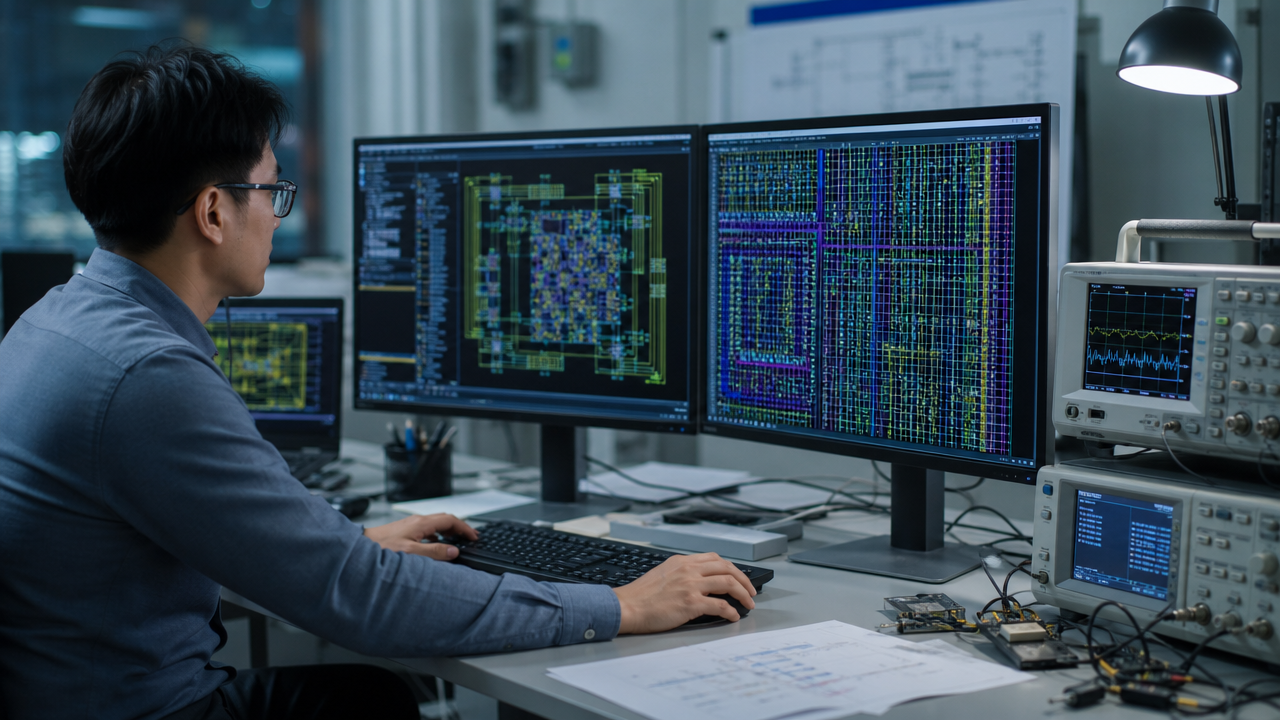
The strategic prize is leverage. If OpenAI can become a credible buyer, designer, or co-designer of AI accelerators, it can negotiate differently with cloud partners and chip suppliers. It can also optimize hardware around its own model-serving patterns instead of accepting a general-purpose roadmap.
Nvidia Still Defines The Market
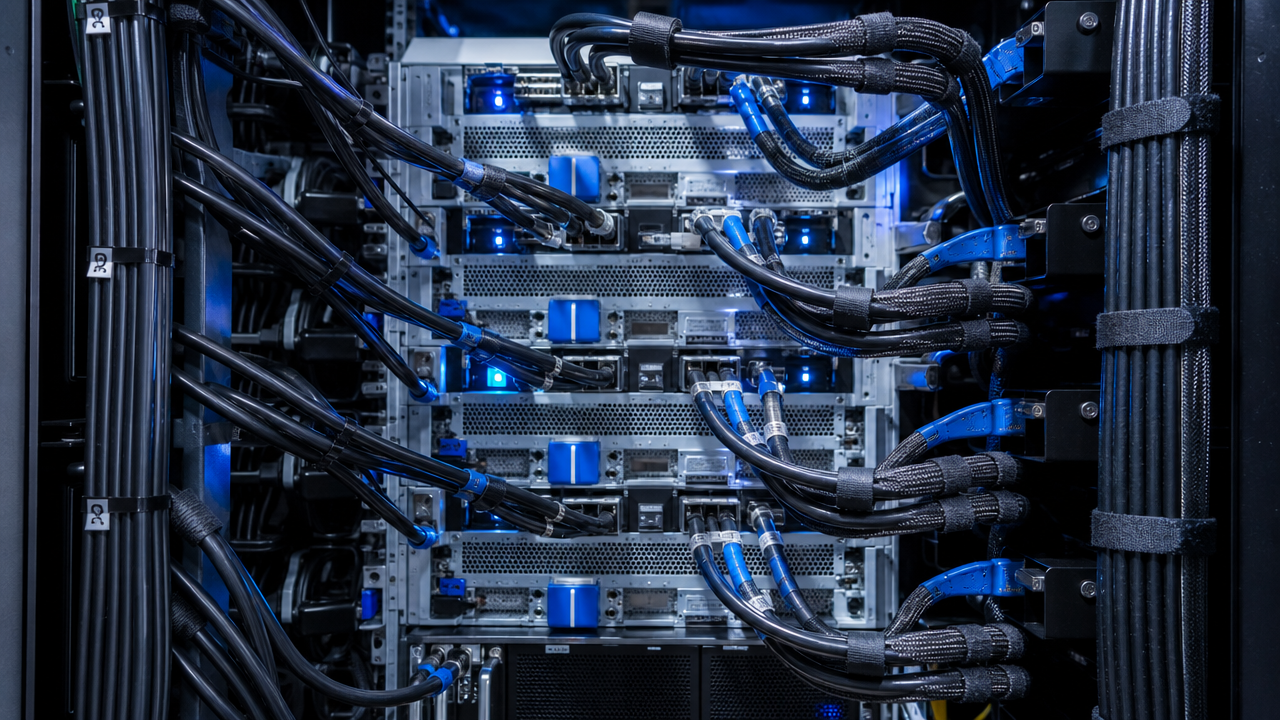
Nvidia remains the center of the AI accelerator ecosystem because it sells more than chips. CUDA, networking, systems software, developer familiarity, and large-scale deployment experience all reinforce its position. Any OpenAI-Broadcom effort would have to compete with that full stack, not just a processor.
Topics: OpenAI, Broadcom, AI chips, custom silicon