Technology
OpenAI's Devices Hire Shows The Hardware Bet Is Becoming A Launch Operation
OpenAI has hired Meta communications executive Ha Thai to lead communications for its devices division, Axios reports. The move suggests the Jony Ive partnership is entering a more public phase, where OpenAI has to turn an abstract hardware ambition into a consumer story.
By Patrick T ·
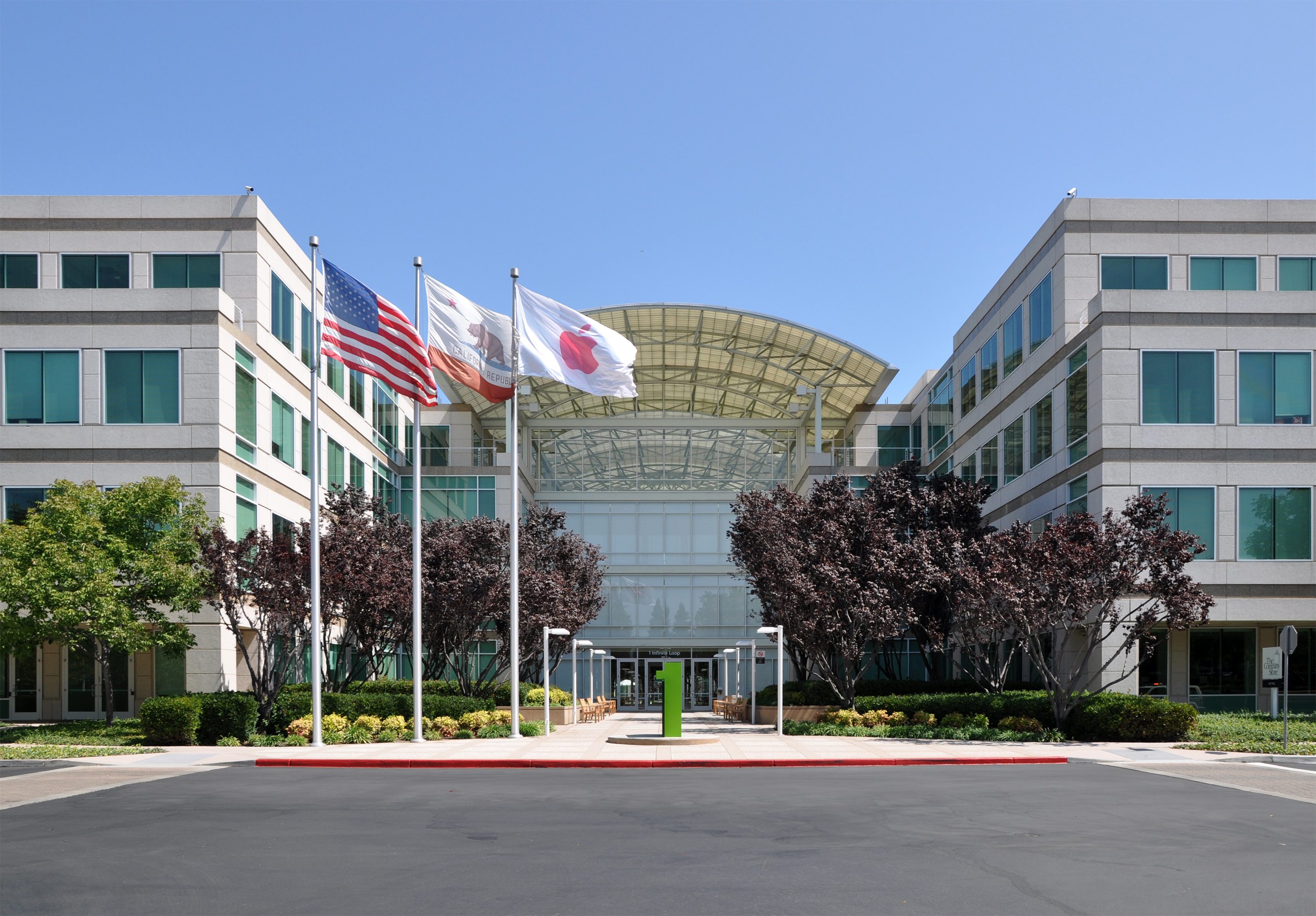
OpenAI has hired Ha Thai, a longtime consumer-hardware communications executive from Meta, to lead communications for its devices division, Axios reports. Thai most recently worked on communications for Meta's Reality Labs and supported Meta CTO Andrew Bosworth, giving OpenAI a launch operator with experience turning experimental hardware into public product narratives.
The personnel move is small in headcount terms and large in signal. OpenAI's device work has been described mostly through partnership language around LoveFrom and former Apple design chief Jony Ive. Hiring a senior communications lead suggests the company is preparing for the harder phase: explaining what the device is, why it exists, and why ordinary people should want AI outside a browser.
From Model Company To Product Company
Consumer hardware changes OpenAI's burden. A model launch can be incremental, technical, and developer-led. A device launch requires positioning, distribution, retail expectations, privacy answers, support channels, and a clear emotional reason to carry another object. That is a different operating discipline from releasing a new model endpoint.
The Meta connection is also telling. Reality Labs has spent years learning how difficult it is to sell ambient computing, mixed reality, and wearable interaction to mainstream users. OpenAI can avoid some of those mistakes, but it cannot avoid the same fundamental question: what behavior becomes easier because the AI is embodied in hardware?
The IPO Context
Axios also notes that OpenAI has filed confidential draft IPO paperwork, shortly after Anthropic submitted confidential filings with the SEC. A hardware story could matter in that context because public investors may ask whether frontier labs are only infrastructure suppliers or whether they can build durable consumer platforms.

The risk is that the first OpenAI device becomes a symbol before it becomes a habit. AI companies are good at showing magical moments. Consumer hardware companies win by making those moments dependable in kitchens, cars, offices, commutes, and pockets. The launch narrative will have to bridge that gap.
The Interface War Gets Physical
Topics: OpenAI, AI devices, Jony Ive, consumer hardware