Technology
OpenAI's Super App Ambition Is Coming Into Focus
OpenAI is still working toward a ChatGPT super app, and the shape of that ambition is becoming clearer: browser, device, app store, agent layer, and consumer assistant all pulled into one interface. The strategic question is whether ChatGPT becomes a destination or the operating layer around everything else.
By Patrick T ·
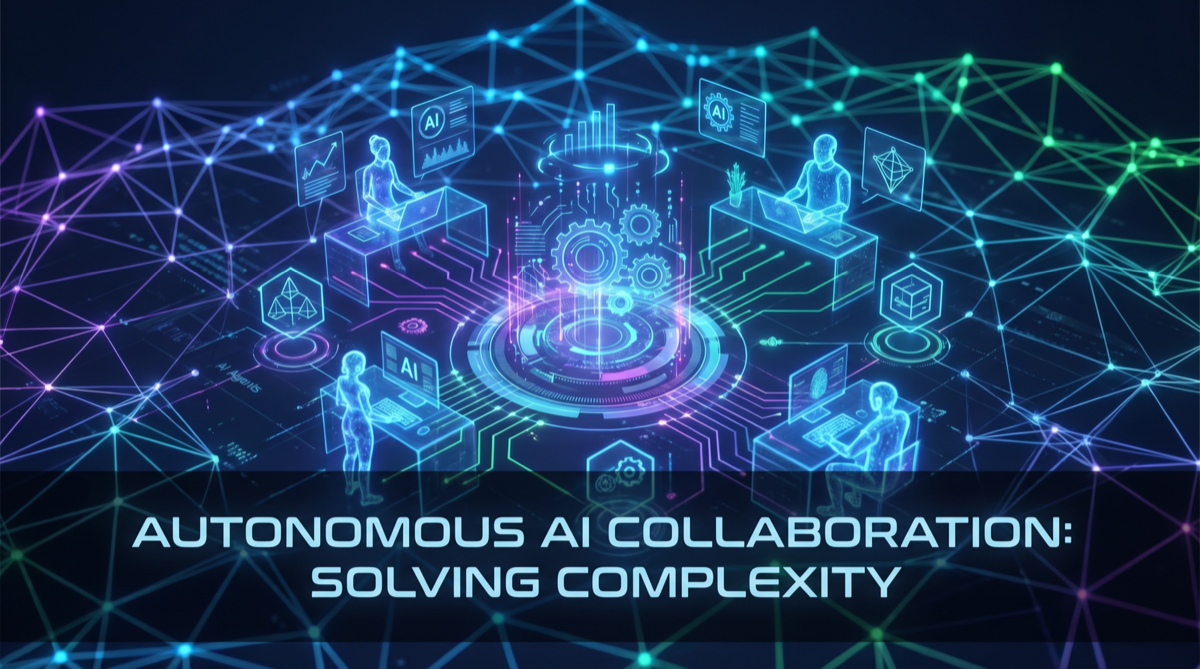
OpenAI is still working toward what amounts to a ChatGPT super app, according to fresh reporting from TechCrunch, and the significance is larger than a product-navigation change. The company appears to be testing whether ChatGPT can become the place where users browse, search, transact, operate apps, and delegate work to agents without leaving the conversation.
That is the right way to read the company's recent pattern. OpenAI has explored browsers, device partnerships, shopping surfaces, agent tools, enterprise connectors, and app integrations. Individually, those moves look scattered. Together, they point toward an attempt to make ChatGPT less like a chatbot and more like a general-purpose interface for digital life.
From Chatbot To Operating Layer
The super app idea is not new. WeChat proved that messaging could become a broad transaction layer, while Apple and Google built mobile operating systems around native apps and platform rules. OpenAI's version is different because it begins with intent: a user says what they want, and the system decides whether to answer, search, call a service, open a tool, or run an agent.

That shift changes the competitive map. If users begin in ChatGPT, then search engines, browsers, shopping apps, productivity suites, and app stores all become downstream destinations rather than starting points. That is why the super app strategy is not only a consumer product move. It is a distribution play.
The hard part is trust. A super app that only answers questions is useful. A super app that books travel, moves money, edits files, controls devices, and talks to outside services needs stronger permissions, identity, audit trails, and recovery flows. OpenAI's consumer brand gives it reach, but it does not automatically grant the operational trust that Apple, Google, and banks have spent decades building.
The company also faces an ecosystem problem. Developers want distribution, but they do not want to become invisible utilities inside someone else's assistant. If OpenAI absorbs too much of the user relationship, partners will worry that the super app is not a platform but a replacement interface.
Still, the direction is unmistakable. The AI assistant market is moving beyond better answers toward control of the user's workflow. OpenAI's super app ambition is the clearest expression of that shift: whoever owns the place where intent begins may own the next layer of software distribution.
Topics: OpenAI, ChatGPT, AI agents, consumer AI