Technology
45,000 Samsung Workers Set to Strike: What It Means for the World's RAM Supply
The largest planned work stoppage in semiconductor history begins May 21. Samsung controls a third of global DRAM and is one of only three HBM makers. Here is what happens if the line goes cold.
By Patrick T ·
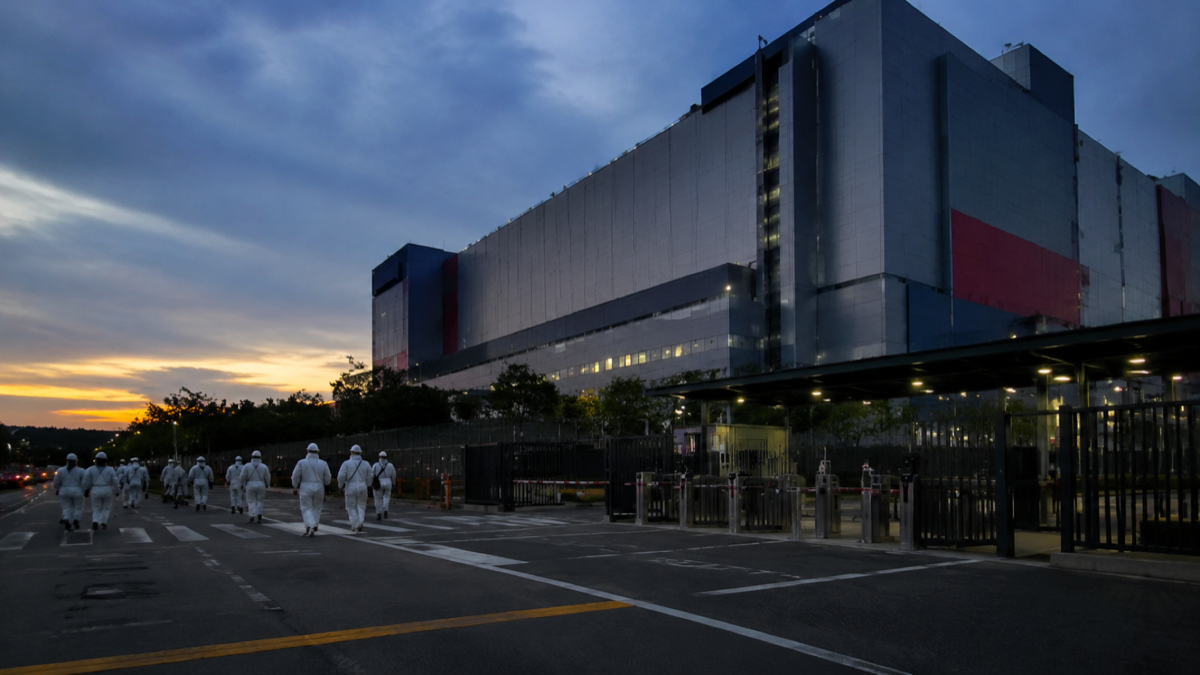
Samsung Electronics makes roughly one-third of every DRAM chip on the planet. Together with its Korean rival SK Hynix, it controls nearly two-thirds of the global DRAM market and an even larger share of high-bandwidth memory — the specialised chips that AI systems cannot run without. On May 21, nearly 45,000 of Samsung's unionised workers plan to walk off the job for 18 days. If they do, it will be the largest work stoppage in the history of the semiconductor industry, at the single most important chokepoint in the AI supply chain.
The dispute is, at its core, about money. And it is impossible to understand without first understanding what happened at SK Hynix.
The SK Hynix Effect
Last September, SK Hynix settled with its own union to allocate 10 percent of annual operating profit directly to employees as performance bonuses for the next decade, with all caps removed. Based on 2026 profit forecasts, that translates to average payouts of between $460,000 and $477,000 per worker across SK Hynix's 35,000 staff. The company already paid profit-sharing bonuses averaging around $95,000 per employee this past February. Projections for 2027 approach $900,000 per person.
Samsung's workers are watching this in real time. Union chairman Choi Seung-ho said roughly 200 Samsung employees have left for SK Hynix over the past four months. In 2024, Samsung paid no performance bonuses at all after its chip unit posted operating losses throughout the memory downturn. The turnaround since has been staggering — Q1 2026 operating profit increased nearly eightfold to a record — but the workers received none of it.
The Demands and the Deadlock
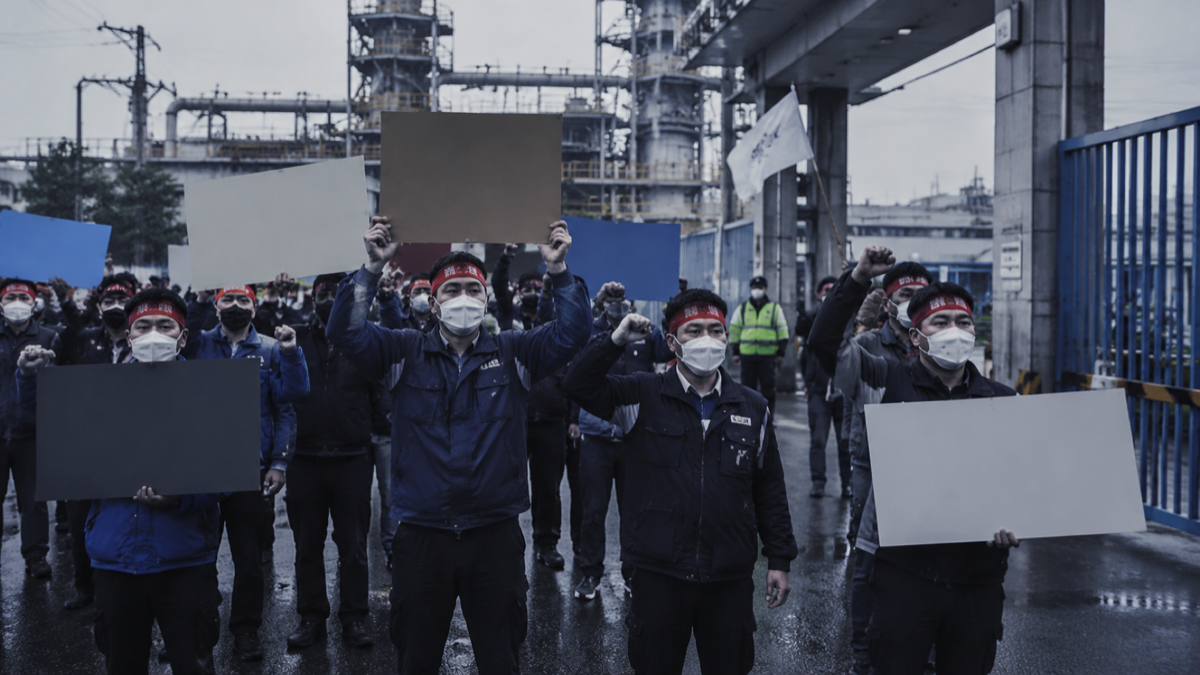
Samsung's unions are requesting 15 percent of operating profit be allocated to a bonus pool, removal of the current cap that limits bonuses to 50 percent of base salary, and a 7 percent wage hike. Management countered with roughly 13 percent of operating profit — but only as a one-time payment for 2026, with no commitment to permanent structural changes.
A 17-hour negotiation session at the National Labour Relations Commission on May 13 failed to produce a deal. The commission initially proposed roughly 40 trillion won ($26.7 billion) in total bonus payouts, which the union rejected. Samsung then sent a letter proposing further direct dialogue; the union accepted only if co-CEO Jun Young-hyun personally presents concrete proposals on key issues. As of publication, no deal has been reached.
A South Korean court partially granted an injunction filed by Samsung against the union on Friday, prohibiting certain forms of industrial action deemed illegal. The ruling requires workers to maintain normal staffing levels and operating hours for critical equipment. The union said it would comply with the court order but would proceed with the strike regardless.
Production Is Already Slowing
Samsung has not waited for May 21 to begin adjusting. The company entered what internal sources describe as 'emergency management mode' on May 14, cutting new wafer inputs and placing lithography, etching, and cleaning equipment on standby. The pre-strike adjustments are designed to limit losses at facilities that normally operate around the clock — but they also mean that Samsung's chip production is already declining days before the walkout begins.
The reason for the early wind-down is the nature of semiconductor fabrication. Halting chip production mid-process means scrapping wafers that cost $20,000 each. A controlled slow-down is far less costly than an abrupt stop. Samsung Chairman Shin Je-yoon said he was 'worried about losing market leadership amid fleeing customers and falling competitiveness' in the event of a strike.
What a Strike Would Do to Global RAM Supply
TrendForce, the Taiwanese market research firm that tracks semiconductor supply chains, projects that an 18-day strike could disrupt 3 to 4 percent of global DRAM supply and 2 to 3 percent of NAND supply, given Samsung's production share. Those figures may sound modest, but the memory market is already running tight.
A preview of what is possible came in April, when a one-day labour walkout caused foundry output to drop 58 percent and memory fabrication to fall 18 percent during the affected shift. Samsung believes a full shutdown could occur for the strike's planned 18-day span with nearly 45,000 union members expected to participate. Industry estimates put potential losses at between 30 trillion and 100 trillion won.
The AI Hyperscaler Problem
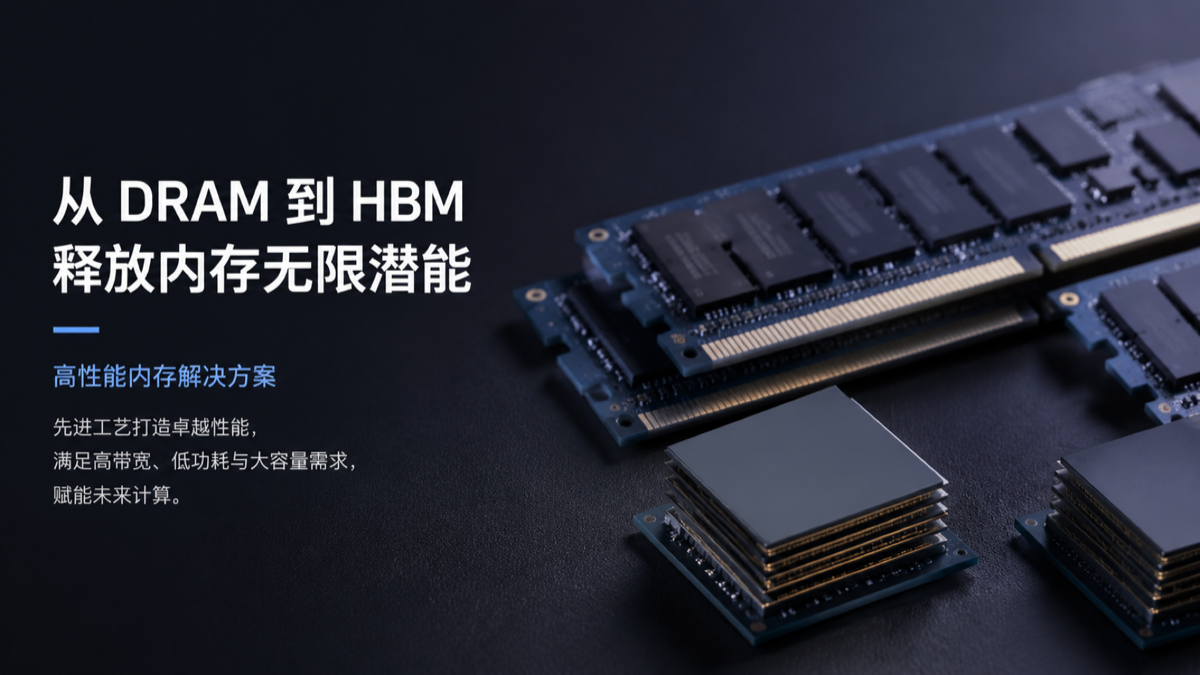
Unlike past memory supply disruptions, AI hyperscalers will not be able to absorb this one. The demand for HBM — the memory stacked directly onto Nvidia's H100 and H200 GPUs — has been relentless. Samsung, SK Hynix, and Micron are the only three companies that make HBM at all. Samsung's HBM4 chips, which began mass production in February, have reportedly outperformed early expectations and the entire 2026 production run is already sold out.
The best illustration of the supply tightness is Samsung's recent negotiations with Apple. According to Korean outlet Dealsite, Apple held emergency meetings with Samsung's semiconductor division to lock down memory for iPhone 17 production. Samsung reportedly planned to push for a 60 percent price increase. Instead, as a negotiating tactic, it opened with a demand for 100 percent — a full doubling — and Apple accepted immediately.
JPMorgan analyst Jay Kwon has estimated that if Samsung meets the union's demands in full, 2026 operating profit faces a 7 to 12 percent downside from increased labour costs alone. Add more than 4 trillion won in lost revenue from 18 days of reduced production, and the total operating profit impact lands at roughly 2.1 trillion to 3.5 trillion won in JPMorgan's base case, with considerably worse outcomes if the strike expands or recovery is slow.
The Competitive Backdrop
A strike would slow Samsung at precisely the wrong moment. For the first time in 33 years, SK Hynix overtook Samsung as the world's largest DRAM maker in Q1 2025, driven almost entirely by its dominance in HBM for AI. The next quarter, SK Hynix held 62 percent of the global HBM market as Samsung slipped to 17 percent, behind even Micron at 21 percent. Samsung's HBM3E chips struggled to pass Nvidia's qualification standards for much of 2025, while SK Hynix and Micron captured the premium global contracts.
By the end of 2025, Samsung reclaimed the overall DRAM market share lead after shipping HBM to Nvidia and expanding legacy memory production. But a prolonged strike could put that turnaround trajectory at risk, handing SK Hynix and Micron additional time to lock in long-term supply agreements with the hyperscalers.
The Political Dimension
The strike has drawn in South Korea's government. Prime Minister Kim Min-seok issued a public address warning that a full walkout would have significant consequences for the national economy. Presidential policy chief Kim Yong-beom separately proposed that South Korea pay its citizens a 'dividend' from the AI boom, arguing that the gains were built on an industrial foundation the entire nation accumulated over half a century — an explicit comparison to Alaska's Permanent Fund.
The KOSPI index fell as much as 5.1 percent intraday on the day of Kim's remarks, shedding more than $300 billion in value as investors initially interpreted it as a new tax regime aimed at Samsung and SK Hynix, which together account for nearly half the index's total market cap. The presidential office quickly clarified the remarks were Kim's personal opinion, not government policy. Korean retail investors flooded in, buying 6.7 trillion won, and the KOSPI reversed to close at a record high above 7,800 by the following day.
What Happens Next
The union and Samsung management are scheduled for a final round of talks before May 21. The court injunction limits the scope of industrial action but does not prevent the strike itself. If 45,000 workers walk out as planned, the impact on global memory supply will be felt within days — not weeks. For the AI industry, which has spent two years building infrastructure on the assumption of uninterrupted memory supply, the Samsung strike is the first real test of that assumption.