Technology
Samsung And Google Put Gemini Into Smart Glasses As Wearable AI Race Tightens
Samsung showed AI-powered smart glasses built with Google, Gentle Monster, and Warby Parker, bringing Gemini and Android XR into a consumer wearable category still defined by privacy and design questions.
By Patrick T ·

Samsung has moved its AI hardware strategy onto the face, showing new smart glasses designs developed with Google, Gentle Monster, and Warby Parker during its July Galaxy Unpacked cycle. TechRadar and Tom's Guide reported that Samsung's broader event included new foldables and watches, but the eyewear teaser stood out because it places Google's Gemini assistant and Android XR into a lightweight glasses category that Meta has already turned into a real consumer market. Pricing and precise release dates remain unclear, with reports pointing to a fall launch window.
Road to VR reported that Samsung showed two additional frame designs from Gentle Monster and Warby Parker and said the glasses are expected to run on Qualcomm's Snapdragon AR1 Gen1 platform. The glasses are described as camera, audio, and AI-focused rather than display-first. That means they sit closer to Meta's Ray-Ban glasses than to bulky mixed-reality headsets. The product bet is that always-available context can be useful if the device looks ordinary enough to wear.

The reported battery claim is one of the few hard product signals. Multiple outlets said Samsung is targeting up to nine hours of battery life, with a charging case providing additional full charges. Battery life matters because wearable AI fails if it behaves like a fragile accessory. A user has to trust that the glasses will survive a commute, meeting, trip, or day of intermittent use without constant charging anxiety.
The AI use cases are familiar but more practical on glasses than on a phone. Samsung and Google are positioning the device around hands-free prompts, live translation, message handling, visual questions, navigation, notes, and video sharing. Those features are not technically new. The difference is the sensor position. A phone has to be raised. Glasses can see what the user sees when asked. That makes the assistant more context-aware and makes the privacy problem more visible.
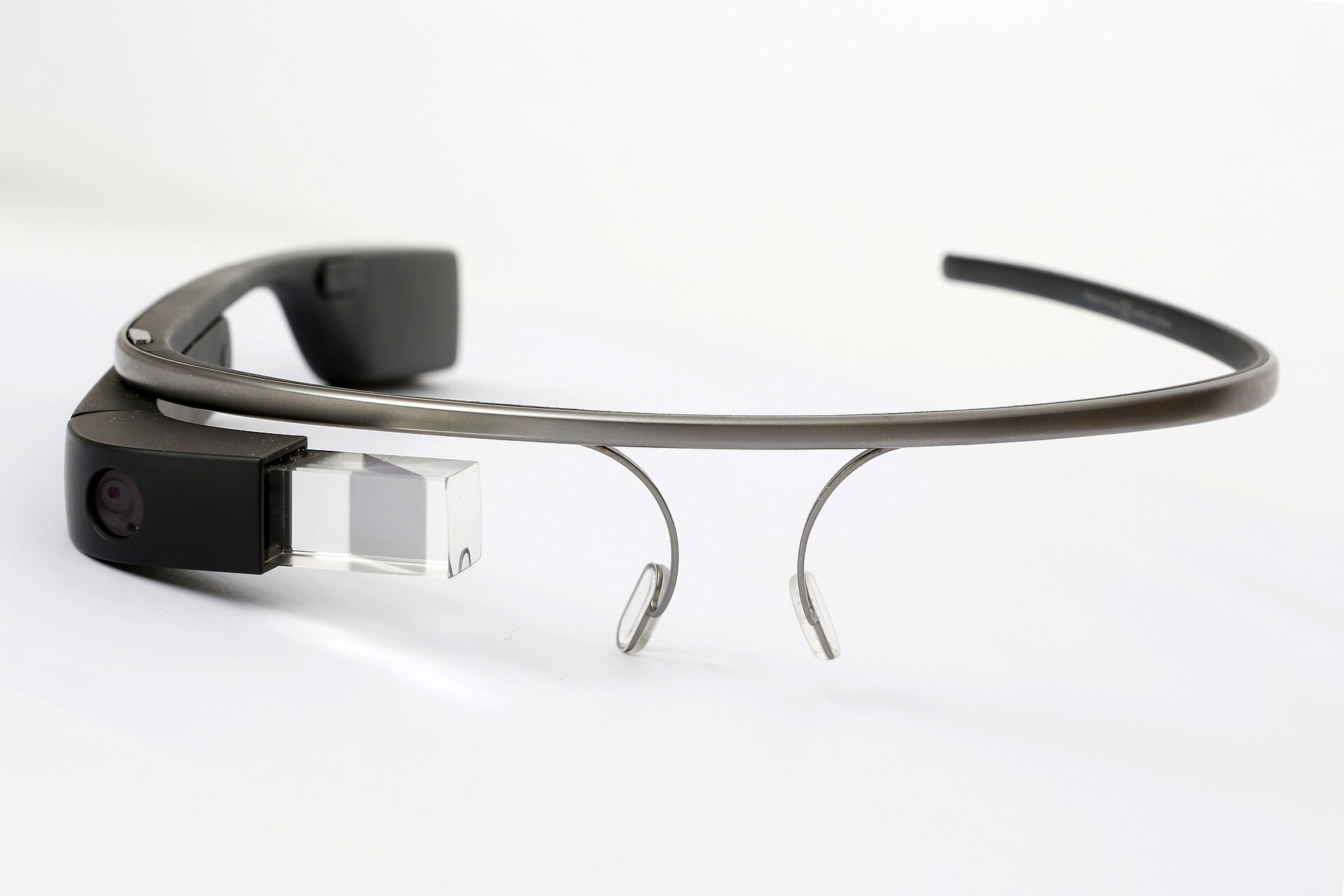
Google has been here before. Google Glass collapsed not because every idea was wrong, but because the product was expensive, awkward, socially conspicuous, and hard to trust around recording. Today's smart glasses are more subtle, which solves one problem and deepens another. If cameras are harder to notice, bystanders will care more about recording indicators, consent, and where captured data goes.
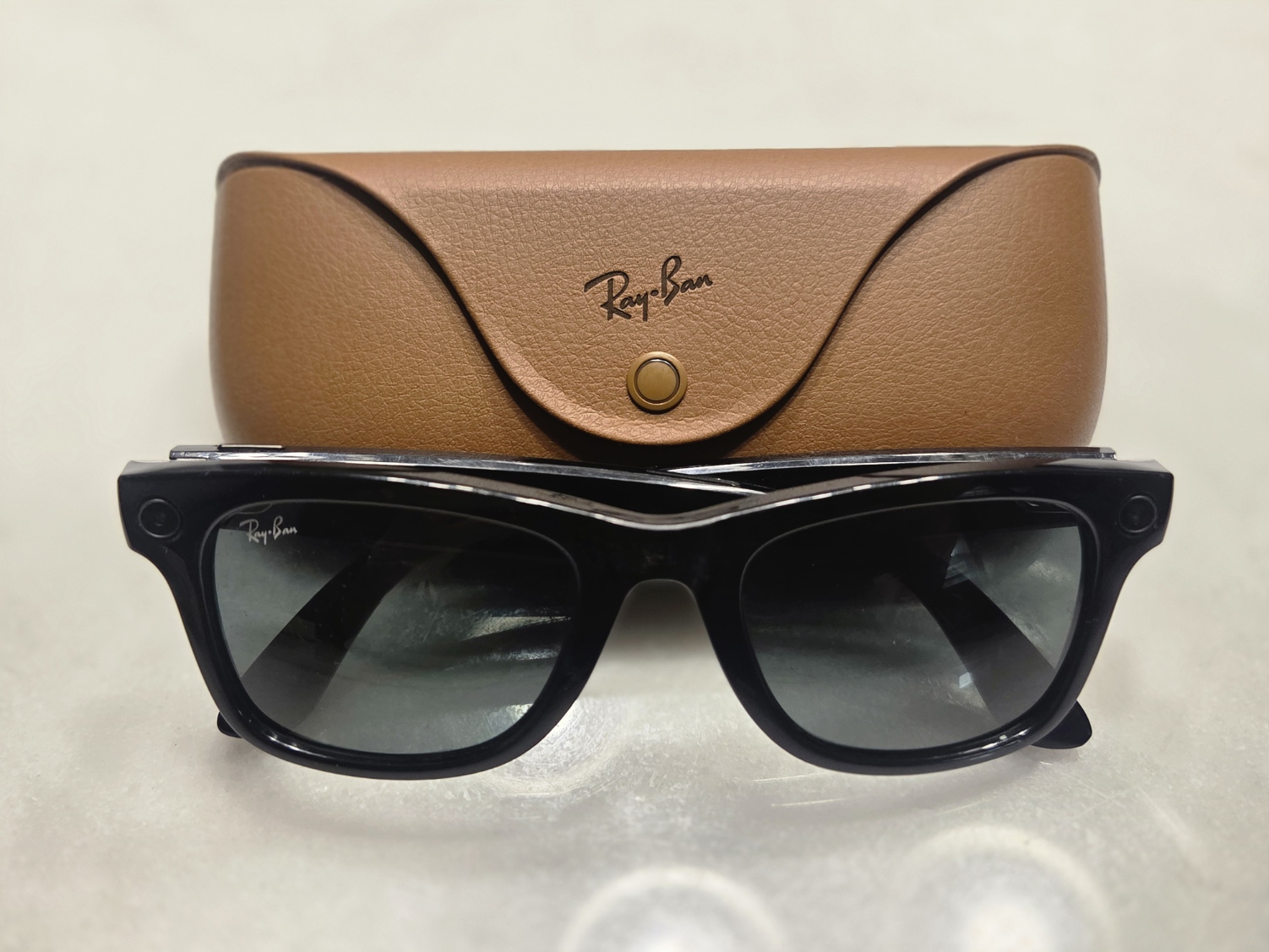
Meta has already proved there is demand for camera-enabled AI eyewear through its Ray-Ban Meta line. Samsung and Google now have to prove that the Android ecosystem can make similar hardware more useful. Gemini gives Google a strong assistant layer, while Samsung brings distribution, device integration, and wearable hardware experience. The eyewear partnerships matter because glasses are fashion products before they are computing products. If people do not want to wear them, the AI never gets a chance.
The enterprise and accessibility angles could be stronger than the consumer pitch. Hands-free translation, remote support, visual note capture, and field documentation all make sense for workers who cannot keep pulling out a phone. Accessibility use cases are also clear when a visual assistant can describe surroundings, read text, or help navigate unfamiliar spaces. But those settings need policy controls, device-management tools, and visible recording norms.
Samsung's advantage is ecosystem reach. A pair of glasses can become more useful if it works cleanly with Galaxy phones, watches, earbuds, and cloud services. That matters because wearable AI is rarely a standalone experience. The device needs contacts, calendars, messages, photos, maps, payment context, and permissions from other systems. Google supplies the AI and platform layer. Samsung supplies consumer hardware distribution and device integration. The partnership is logical because neither side alone has every piece.
The design partnerships are not decorative. Gentle Monster and Warby Parker signal that Samsung understands the category is judged in mirrors before it is judged on spec sheets. Smart glasses can fail if they look like lab equipment, even when the software is useful. They can also fail if fashion hides too much of the technology and bystanders cannot tell when recording is happening. The right design has to satisfy the wearer and the room around the wearer.
Battery life and charging cases are part of that social contract. If the glasses run for a day of intermittent use, they can become routine. If they die quickly or require bulky charging habits, they become another gadget people leave behind. Meta's success with Ray-Ban glasses has shown that the case can become part of the product. Samsung appears to be following that lesson by treating portability and charging as core to the experience rather than afterthoughts.
Google's role is shaped by the memory of Glass. The company learned that putting information in a person's field of view is not enough. The device has to answer a real need, fit social norms, and avoid making everyone nearby feel observed. Gemini changes the usefulness equation because the assistant can interpret images, language, and context. It does not remove the trust problem. In some ways, a stronger assistant makes the trust problem harder because the device can infer more from what it sees.
Privacy indicators will be one of the first details users and critics inspect. A visible light, recording sound, on-device processing, cloud-upload rules, retention controls, and consent prompts all influence whether smart glasses are accepted. The owner may be comfortable with a camera on their face. A coworker, stranger, or child nearby may not be. Wearable AI companies have to design for people who did not buy the product but are still affected by it.
The product category also has a moderation problem that phones do not solve. Glasses can capture public spaces, private conversations, documents on desks, screens in offices, and faces in sensitive settings. The assistant may be asked to identify objects, summarize scenes, or remember details. Policies that work for uploaded photos may not be enough for always-available capture. Samsung and Google will need clear limits on face recognition, sensitive locations, and how visual data is stored or used.
For developers, Android XR could matter if Samsung's glasses become more than a single product line. A platform gives app makers a target for translation, navigation, field work, shopping, fitness, education, and accessibility features. But a developer ecosystem will form only if enough devices ship and users wear them regularly. That is why the first generation's comfort, price, and reliability matter. A weak launch can slow the platform before software has a chance to differentiate it.
The competitive pressure is coming from several directions. Meta has the early consumer baseline. Apple has shaped expectations around premium wearable hardware even without making camera-first glasses the center of its strategy. Smaller AI hardware companies have tried to sell dedicated assistant devices with mixed results. Samsung and Google are choosing the most plausible route: put AI into a familiar object, partner with eyewear brands, and make the assistant available at the moment the user looks at something.
A display-free or display-light design also changes expectations. Without a full visual overlay, the glasses can be lighter and less socially disruptive, but the assistant must rely more on audio, capture, and phone handoff. That may be the right compromise for the current market. Consumers have shown more interest in lightweight camera and audio glasses than in bulky headsets for everyday use. Samsung appears to be aiming at the device people might actually wear outside a demo room.
The Android XR connection gives Google a way to avoid repeating Glass as a closed experiment. A platform can support multiple device shapes, from headsets to glasses, and allow developers to build around shared APIs. The risk is fragmentation if devices vary widely in sensors, display capability, and input methods. Samsung's first glasses will therefore help define what Android XR means in public: a headset platform, an eyewear platform, or a broader ambient-computing layer.
Retail support could matter more than in phones. Eyewear requires fit, prescription options, lens choices, repairs, and style advice. Warby Parker's involvement suggests Samsung understands that smart glasses have to pass through eyewear channels, not only electronics channels. A consumer who needs prescription lenses may judge the product by comfort and service before judging Gemini. That is a different distribution problem from selling a phone or watch.
The assistant's accuracy will be judged in small moments. Can it identify what the user is looking at without hallucinating? Can it translate without awkward delay? Can it summarize a meeting without capturing people who did not consent? Can it handle noisy streets and dim restaurants? A smart-glasses assistant fails less dramatically than a robot, but repeated small failures can make users stop wearing it. The product has to be useful in the imperfect settings where glasses are worn.
Samsung and Google also have to avoid overclaiming the category. Smart glasses are not about replacing phones in 2026. They are about moving certain tasks closer to the moment of need: capturing a view, asking a visual question, hearing a translation, checking a notification, or recording a short clip. If the companies sell that limited usefulness honestly, the device has room to grow. If they market it as a full computing revolution, they risk inviting the backlash that earlier wearables faced.
The first reviews will likely focus on ordinary annoyances more than grand strategy. Are the glasses comfortable after two hours? Do they look natural in daylight? Does the microphone work in traffic? Does Gemini answer visual questions quickly enough? Does the recording indicator reassure people nearby? Can prescription buyers get a version without a frustrating process? Those details will decide whether the Samsung-Google partnership becomes a durable wearable platform or another AI hardware experiment that attracts attention for a launch cycle and then struggles for repeat use.
Carrier and retail partnerships may also shape adoption. Smart glasses benefit when buyers can try them on, compare frames, choose lenses, and understand privacy features before purchase. Online marketing can explain AI, but fit is physical. Samsung has experience selling premium devices through carriers and electronics stores, while eyewear partners bring a different kind of customer interaction. The launch will test whether those channels can explain a hybrid product that is part phone accessory, part camera, part assistant, and part fashion item, without making the buying process feel like a technical setup appointment. That sales experience may decide whether the product reaches mainstream buyers or only early adopters initially.
Samsung's glasses test whether AI assistants can leave the screen without repeating the mistakes of earlier wearables. The hardware has to be light, stylish, and durable. The assistant has to be useful without being intrusive. The privacy controls have to be visible enough for people nearby, not only for the owner. If Samsung and Google get those details right, Gemini will gain a new interface. If they miss them, smart glasses will again become a privacy debate wearing a product demo. The first public test will be ordinary use, not the launch stage.
Topics: Samsung, Google, smart glasses, Gemini