Technology
Microsoft's Multi-Model Pitch Gives Enterprises A Way Out Of Single-Vendor AI
Microsoft is framing enterprise AI around model choice, offering customers a route to use OpenAI, Anthropic, Microsoft and open systems without rebuilding the application layer for each provider.
By Patrick T ·

Microsoft is increasingly selling enterprises a multi-model AI strategy rather than a dependency on a single provider. Its CoreAI framing emphasizes connecting agents to business context while allowing organizations to choose the model that fits a particular workload, whether that model comes from OpenAI, Anthropic, Microsoft, an open project or a specialist vendor.
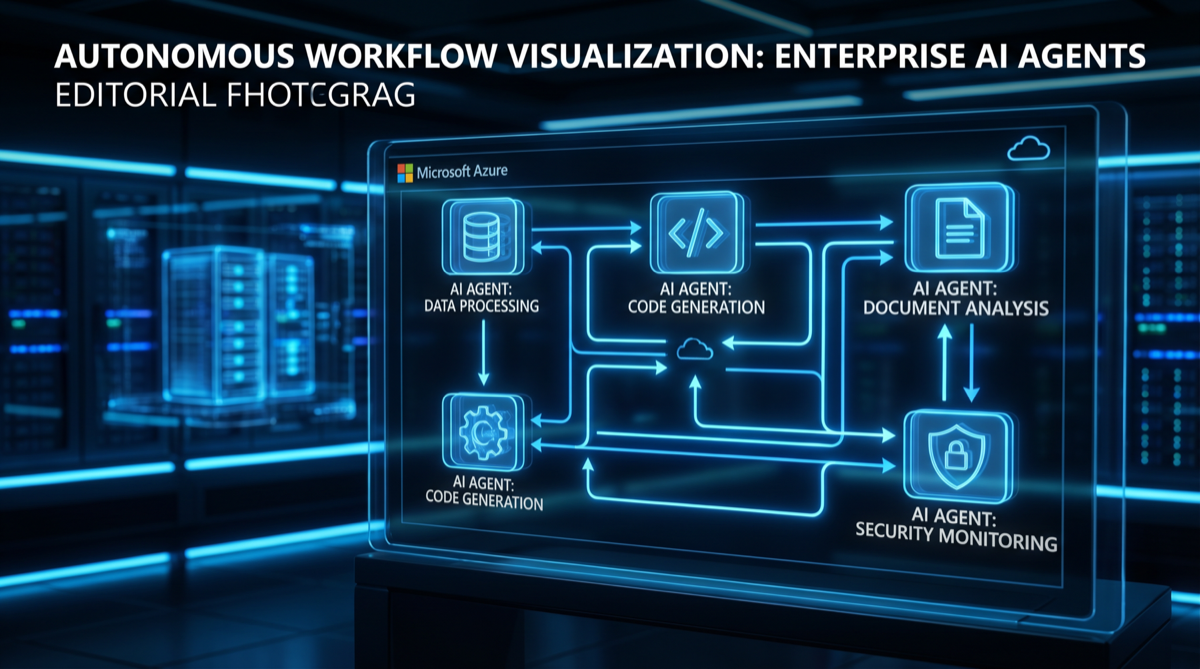
That proposition responds to a real procurement problem. Model quality changes quickly, prices change, and different tasks need different capabilities. An enterprise that hard-codes one provider into every workflow can find itself locked into a cost or capability decision made months earlier. A portable application layer gives teams more leverage, but it also creates new work around evaluation, data controls and observability.
The strongest version of this strategy is not a model marketplace. It is a governed routing system: the organization knows which tasks can use a cheaper model, which require a stronger one, what data each is permitted to see and how an agent's actions are reviewed. The model is becoming one component of enterprise software, not the whole architecture.
Topics: Microsoft, enterprise AI, multi-model, cloud