Technology
SpaceX Starship Flight 12 Explodes After Splashdown — What Went Wrong and What Comes Next
SpaceX's Starship Flight 12 ended in a fireball in the Indian Ocean on May 22, 2026, when the vehicle exploded shortly after splashdown following a partially successful mission. The test flight deployed 22 mock Starlink satellites but suffered a Raptor Vacuum engine failure during ascent. The explosion raises questions about the timeline for Starship's commercial deployment and SpaceX's upcoming IPO.
By Patrick T ·
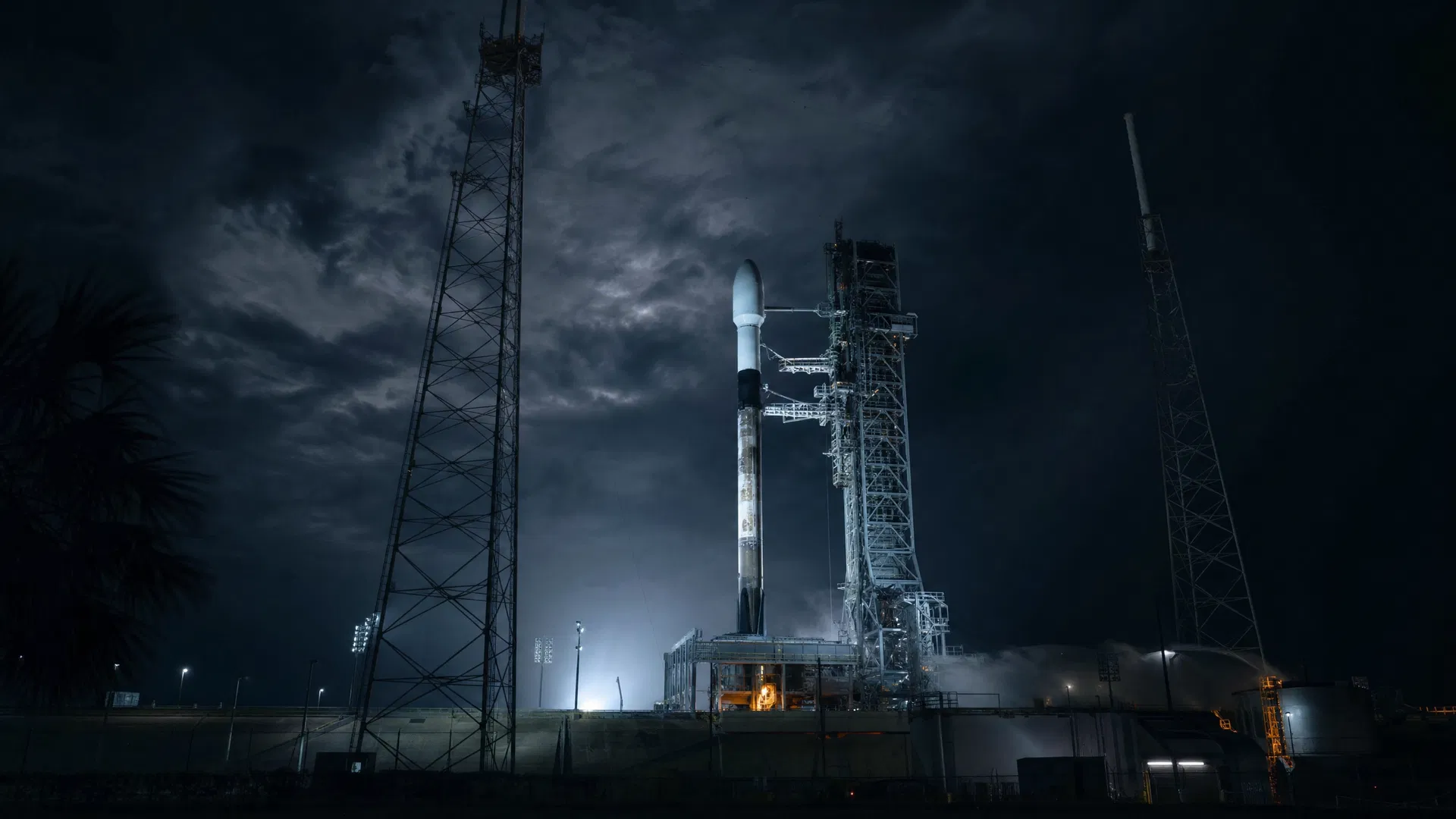
The explosion was visible from hundreds of miles away. At approximately 14:23 UTC on May 22, 2026, SpaceX's Starship Vehicle 3 — the most advanced version of the rocket ever flown — detonated in a spectacular fireball above the Indian Ocean, roughly 40 minutes after liftoff from Starbase in South Texas. The vehicle had completed most of its primary mission objectives before the explosion, but the image of a $1 billion rocket disintegrating over open water will be difficult to ignore in the weeks ahead, particularly as SpaceX prepares for what would be the largest technology IPO in history.
The mission, designated Flight 12, was the most ambitious Starship test to date. The vehicle carried 22 mock Starlink satellites — full-scale mass simulators designed to replicate the weight and center-of-gravity characteristics of real payloads — and was tasked with demonstrating the deployment mechanism that SpaceX plans to use for operational Starlink missions. It also carried an upgraded heat shield, a redesigned propellant management system, and a new variant of the Raptor Vacuum engine that SpaceX has been developing for the past 18 months.
What Happened
The mission began well. Super Heavy, the first-stage booster, performed a near-flawless ascent and was caught by the Mechazilla arms at Starbase approximately seven minutes after liftoff — the third consecutive successful booster catch, a milestone that has transformed SpaceX's confidence in the system's reusability. The Starship upper stage separated cleanly and continued on its planned trajectory toward the Indian Ocean.
The problems began approximately 12 minutes into the flight, when one of the six Raptor Vacuum engines on the upper stage failed. The failure was not immediately catastrophic — the vehicle continued on its trajectory with five engines — but it reduced the vehicle's thrust margin and forced the flight computer to adjust the ascent profile. The reduced thrust meant that Starship arrived at its deployment altitude with less velocity than planned, which in turn affected the deployment of the mock Starlink satellites.
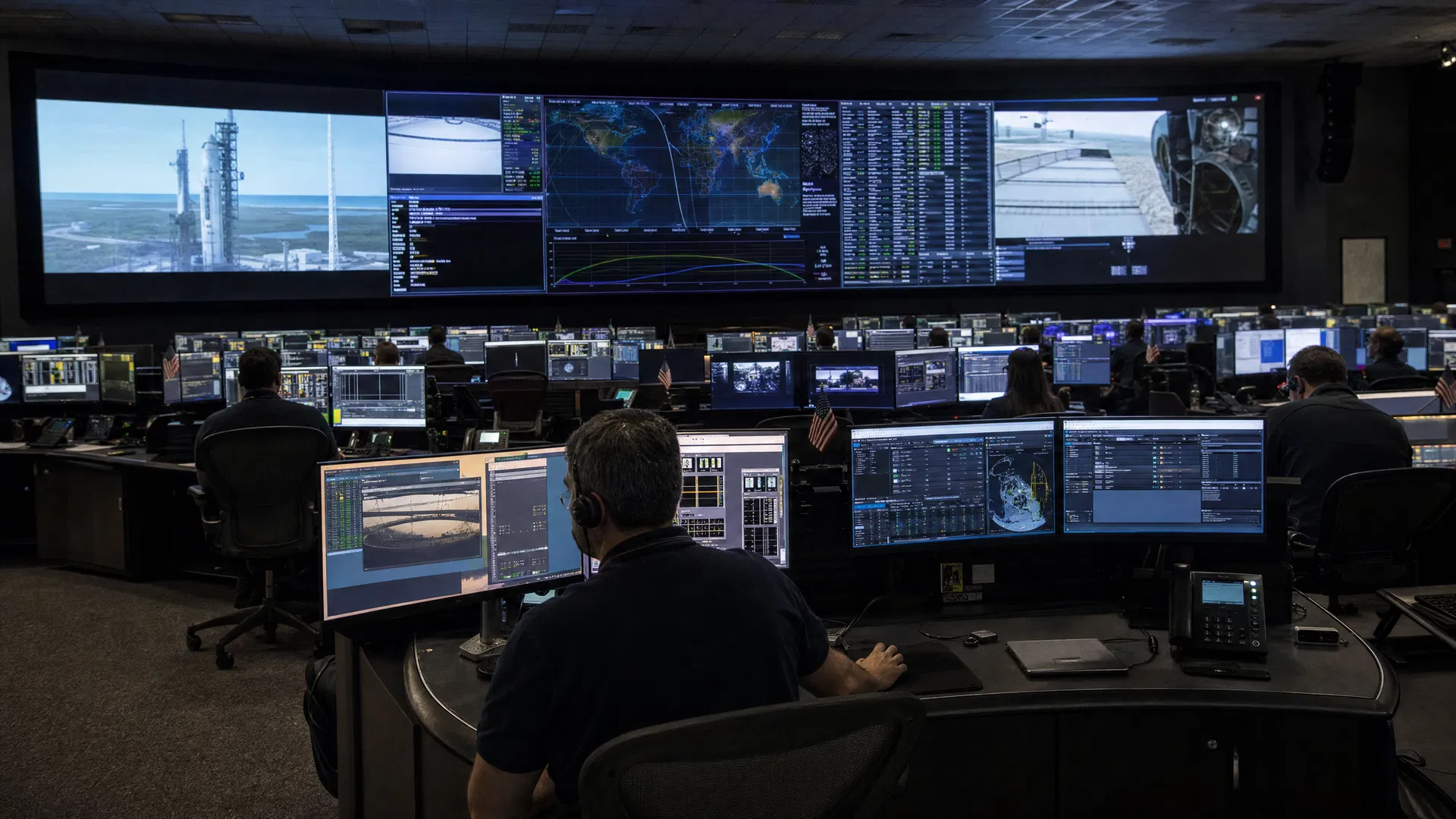
The satellites were deployed, but not on the optimal trajectory. SpaceX's mission control confirmed that all 22 mass simulators were released from the vehicle, but the deployment dispersion — the spread of the satellites across their intended orbital plane — was wider than planned. For a real Starlink mission, this would have required additional propellant expenditure from the satellites themselves to reach their operational orbits, reducing their operational lifetime.
The Engine Failure
The Raptor Vacuum engine failure is the most technically significant aspect of the mission. SpaceX has been working to improve the reliability of the Raptor engine family for the past three years, and the company had publicly expressed confidence that the Flight 12 vehicle would demonstrate a significant improvement over previous flights. The failure of a single engine during ascent — while not mission-ending — represents a setback for that reliability narrative.
The specific failure mode has not been publicly disclosed. SpaceX's engineering team is analyzing telemetry data from the flight, and a more detailed explanation is expected within the next few days. Industry observers have noted that the failure occurred during the high-dynamic-pressure phase of ascent, when the engines are under maximum stress, which may provide clues about the nature of the problem.
The IPO Implications
The timing of the explosion is awkward for SpaceX in ways that extend beyond the technical. The company is in the process of preparing for what analysts expect to be a $2 trillion IPO, potentially the largest in history. Starship is central to SpaceX's commercial narrative — it is the vehicle that will carry Starlink's next-generation satellites, deliver cargo to the Moon and Mars, and potentially serve as a point-to-point Earth transportation system. An explosion, even one that followed a partially successful mission, complicates that narrative.
SpaceX's communications team moved quickly to frame Flight 12 as a success. The company emphasized the successful booster catch, the satellite deployment, and the overall performance of the vehicle before the explosion. CEO Elon Musk posted on X that the mission was 'a great step forward' and that the explosion 'provided valuable data.' These are not false statements, but they are carefully chosen ones.

What Comes Next
SpaceX has indicated that Flight 13 will fly within the next 60 days. The company plans to incorporate several modifications based on the data from Flight 12, including changes to the Raptor Vacuum engine's fuel management system and additional reinforcement of the propellant tanks in the upper stage's aft section.
The more significant question is when Starship will be ready for operational Starlink missions. SpaceX has been planning to use Starship to deploy its next-generation Starlink V3 satellites, which are significantly larger and heavier than the current V2 satellites and cannot be launched on Falcon 9. The delay in Starship's operational readiness has already forced SpaceX to modify its Starlink deployment schedule, and another setback could have implications for the company's revenue projections.
The Broader Context
It is worth situating Flight 12 in the broader context of Starship's development. The vehicle that exploded over the Indian Ocean on May 22 is vastly more capable than anything that existed five years ago. It is the largest and most powerful rocket ever flown, with a payload capacity that exceeds anything in the current launch market by a factor of three. The fact that it can complete most of a complex mission before exploding represents genuine progress, even if the explosion itself is a setback.
SpaceX has a long history of learning from failures and iterating rapidly. The Falcon 9 program, which is now the most reliable launch vehicle in the world, went through a similar period of early failures before achieving the reliability that has made it the backbone of the commercial launch market. The question is whether Starship can follow the same trajectory on a timeline that is compatible with SpaceX's commercial and IPO ambitions. Flight 13 will be closely watched, not just by the aerospace community but by the investors and analysts who are trying to assess the value of a company that has staked its future on a rocket that has not yet completed a fully successful mission.