Technology
IBM and USTA Deploy AI-Powered Fan Experiences at the 2026 US Open
IBM and the United States Tennis Association announced new artificial intelligence features designed to enhance spectator engagement at the 2026 US Open, including real-time match analytics and personalized content delivery. The partnership raises questions about data latency, editorial oversight, and the boundary between useful context and algorithmic noise.
By Patrick T ·
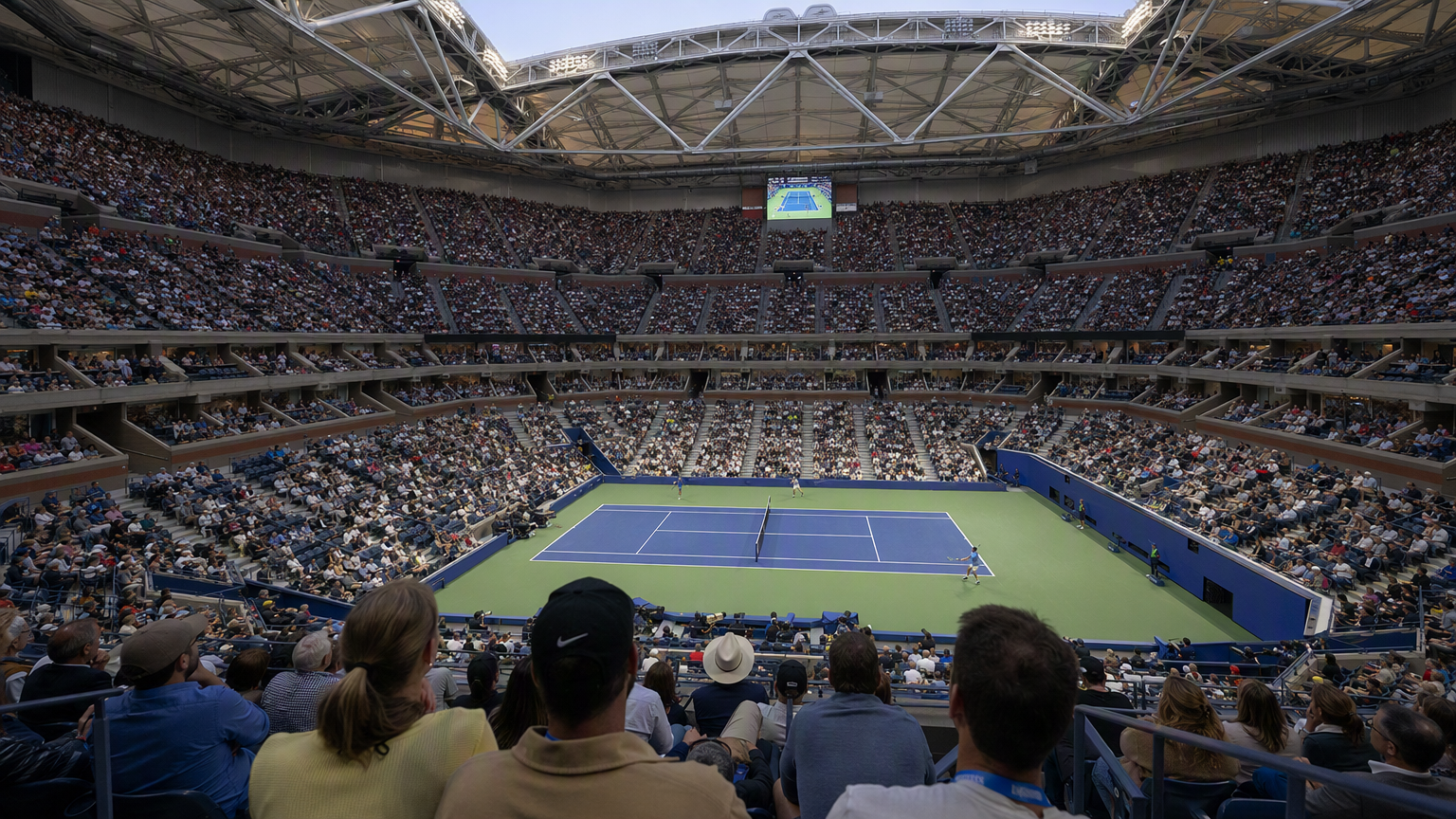
IBM and the USTA unveiled AI-powered fan experiences for the 2026 US Open, according to an IBM announcement made public on August 23, 2026. The collaboration introduces machine learning capabilities to match coverage, player statistics, and personalized content recommendations delivered across digital platforms during the tournament. The systems aim to process real-time match data and surface contextual information to fans attending in person and watching remotely.
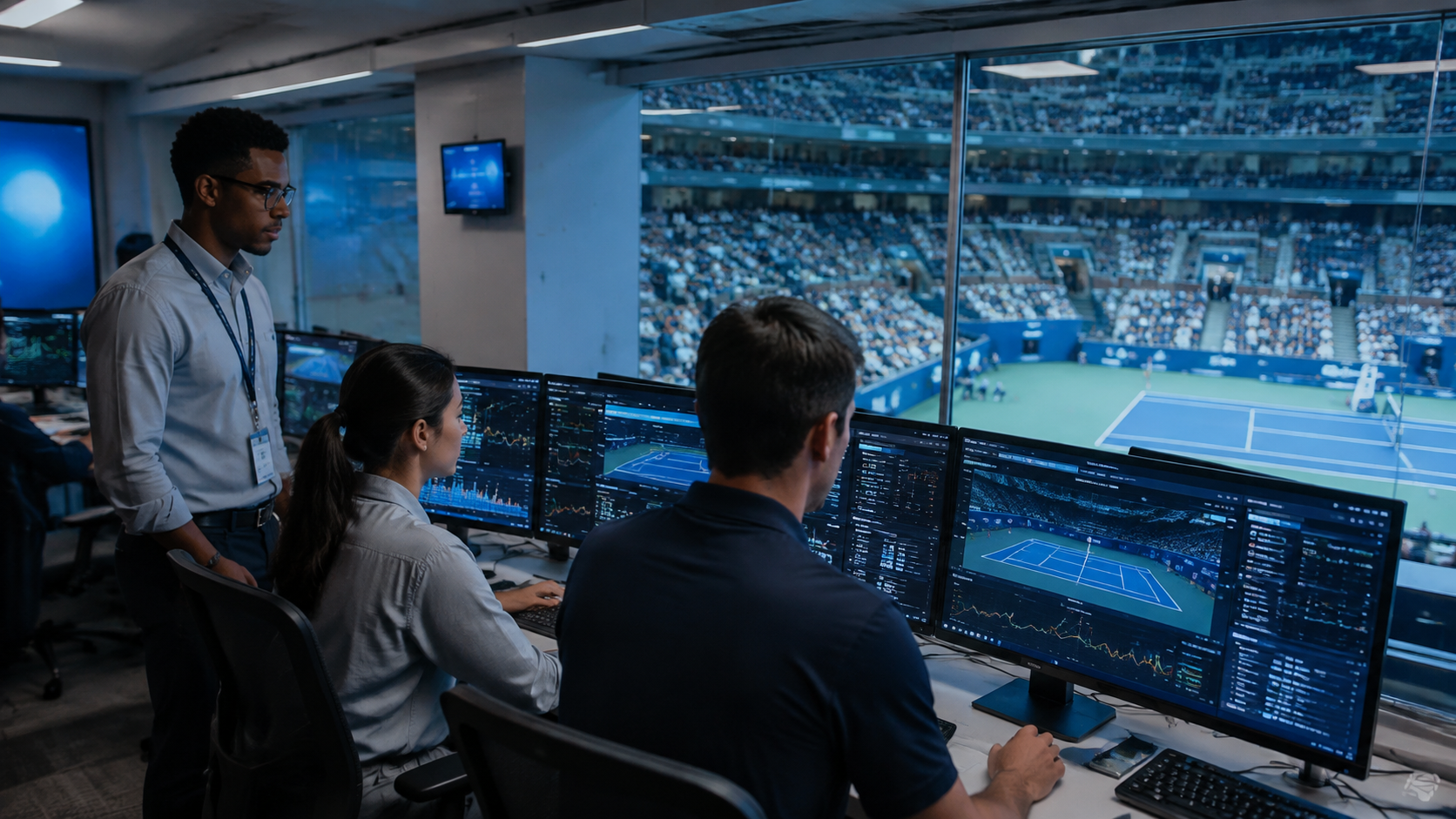
The partnership reflects a broader shift in sports technology toward AI-driven engagement, but implementation details reveal operational constraints that will determine whether the systems deliver useful match context or generate synthetic noise. IBM said the AI systems will analyze player performance patterns, historical matchup data, and live match metrics to generate insights for broadcast overlays, mobile applications, and stadium displays. The USTA has not disclosed specific latency requirements, data refresh rates, or human editorial oversight protocols for the generated content. Real-time sports analytics demand speed and accuracy. IBM watsonx forms the technical foundation, according to the company, providing enterprise AI capabilities for data processing and model inference. IBM announcement documents the reporting behind this account.
The timing of updates matters significantly in tennis, where momentum shifts rapidly across individual points and sets. A 30-second delay in delivering contextual analysis loses practical value; a five-second delay becomes merely decorative. The USTA has not clarified refresh intervals, data validation procedures, or thresholds for suppressing low-confidence predictions that might confuse rather than inform viewers. Personalization logic embedded in the systems raises design questions about who benefits and who may be excluded. IBM stated that the AI will customize content recommendations based on player preferences, tournament history, and viewing behavior. The mechanics of that customization remain opaque: does the system prioritize ranked players over emerging competitors? Does it amplify coverage of already-popular matchups, narrowing discovery? The USTA has not published guidelines for algorithmic fairness or measures to ensure younger players and undercard matches receive equitable algorithmic amplification. IBM watsonx offers useful technical background for evaluating the claim.
Accessibility and Editorial Standards
Accessibility compliance represents a critical implementation layer. AI-generated captions, commentary summaries, and audio descriptions must meet legal standards and serve users with visual or hearing impairments. Generic AI systems often perform poorly on specialized terminology, accents, and rapid-fire sports dialogue. The USTA website confirms commitment to accessibility standards, but has not specified whether AI-generated content undergoes human review, passes automated quality checks, or meets Web Content Accessibility Guidelines benchmarks before delivery to fans. The US Open operates under tight timing constraints, with minimal tolerance for technical failures or content errors. AI model predictions can be wrong. A system that confidently suggests an unlikely matchup outcome, supplies incorrect historical statistics, or misidentifies a player creates frustration rather than engagement.
The USTA must establish editorial processes to catch and suppress errors before content reaches viewers. IBM said the systems will be tested during the tournament, but has not described validation protocols, error-rate targets, or human review checkpoints. The financial and operational costs of enterprise AI systems influence whether initiatives sustain beyond initial deployment. IBM and the USTA have not disclosed service fees, infrastructure costs, or revenue-sharing arrangements. Cloud computing infrastructure for processing video streams, running inference models, and serving personalized content at tournament scale carries ongoing expenses. For broader context, US Open outlines the relevant standard or institution.
Infrastructure, Cost, and Long-Term Operations
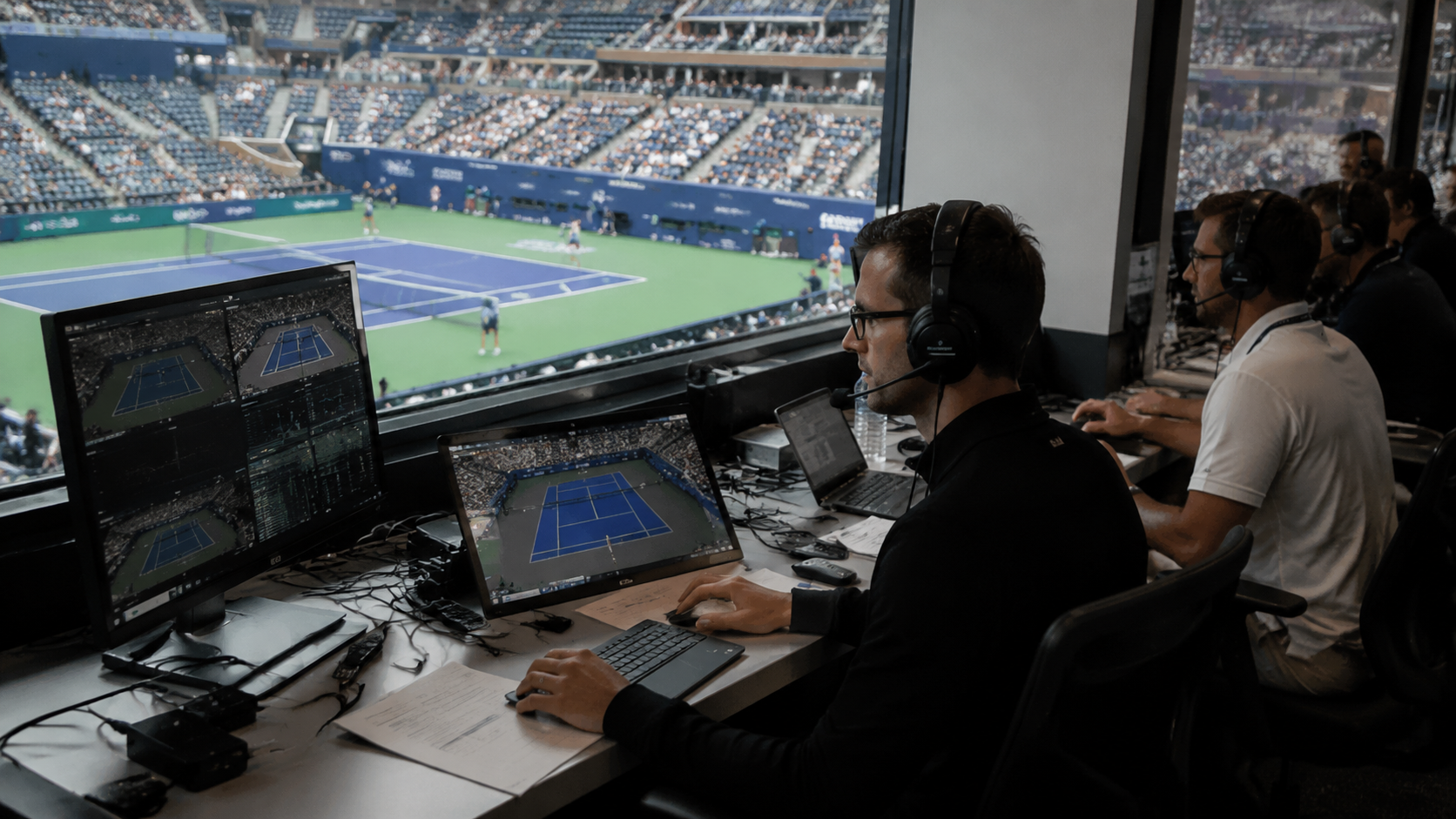
The number of concurrent users, geographic distribution, and redundancy requirements all shape deployment architecture. Neither party has disclosed service-level agreements, uptime guarantees, or contingency plans if systems degrade during high-traffic moments like finals matches. Cloud computing resources must handle peak loads while maintaining latency targets that matter in live broadcast environments. The infrastructure decisions made now will determine whether the AI systems remain operational and reliable once tournament competition begins. enterprise AI helps place the issue within its wider policy and engineering context.
The 2026 US Open deployment represents a controlled experiment in AI-assisted sports engagement. Success depends on speed, accuracy, editorial discipline, and inclusive design. IBM and the USTA have constructed a technical foundation and announced their partnership, but operational reality emerges only once systems process live tournament data under competitive pressure. The distinction between useful match context and algorithmic noise will become clear only through sustained performance, user feedback, and a willingness to revise or disable features that confuse more than clarify. How the two organizations manage these tensions will shape not just this tournament's fan experience but the template for AI deployment across professional sports. The final point can be checked against cloud computing.
Topics: IBM, USTA, artificial intelligence, sports technology, US Open