Technology
SK Hynix Posts Five-Fold Profit Jump as Employees Eye $477,000 Bonuses
The South Korean chipmaker reported a record Q1 2026 operating profit of 37.6 trillion won, driven by insatiable AI demand for HBM chips. Its 10% profit-sharing agreement is now reshaping Korea's entire corporate compensation landscape.
By Michael C ·
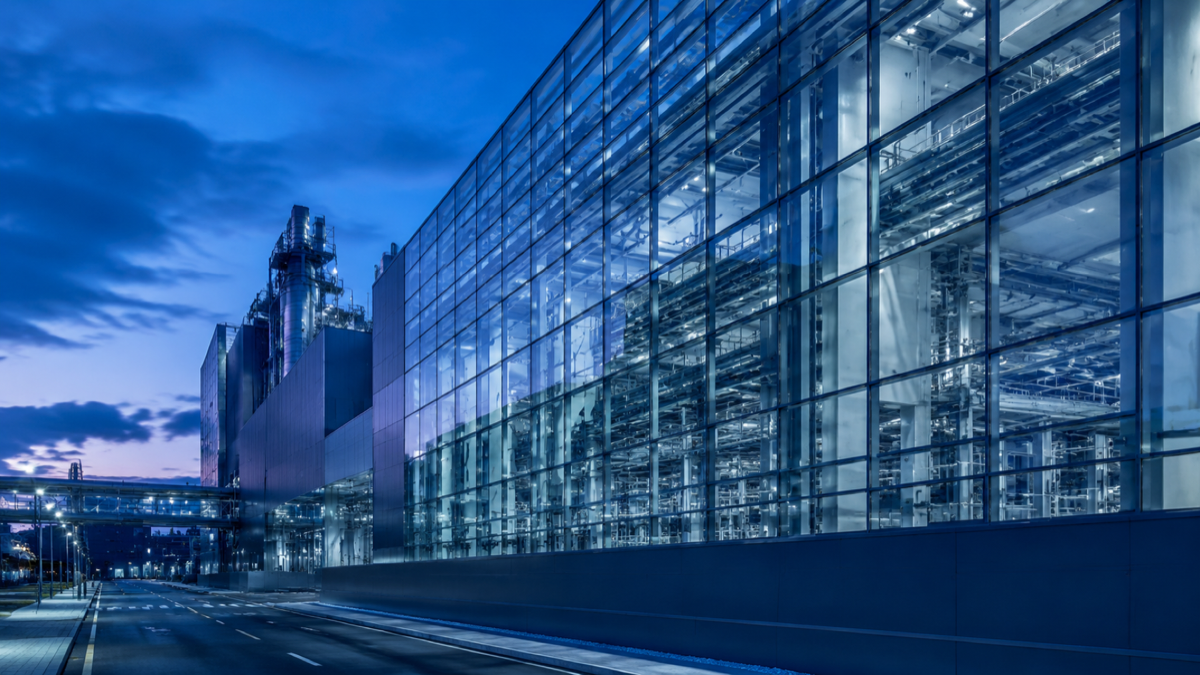
When SK Hynix reported its first-quarter 2026 results on April 22, the numbers were so large they required a moment to process. Revenue of 52.6 trillion won. Operating profit of 37.6 trillion won. Net profit of 40.35 trillion won — up 398% year-on-year. For a company that was paying no bonuses at all just two years ago, during the brutal memory downturn of 2023, the reversal has been nothing short of extraordinary.
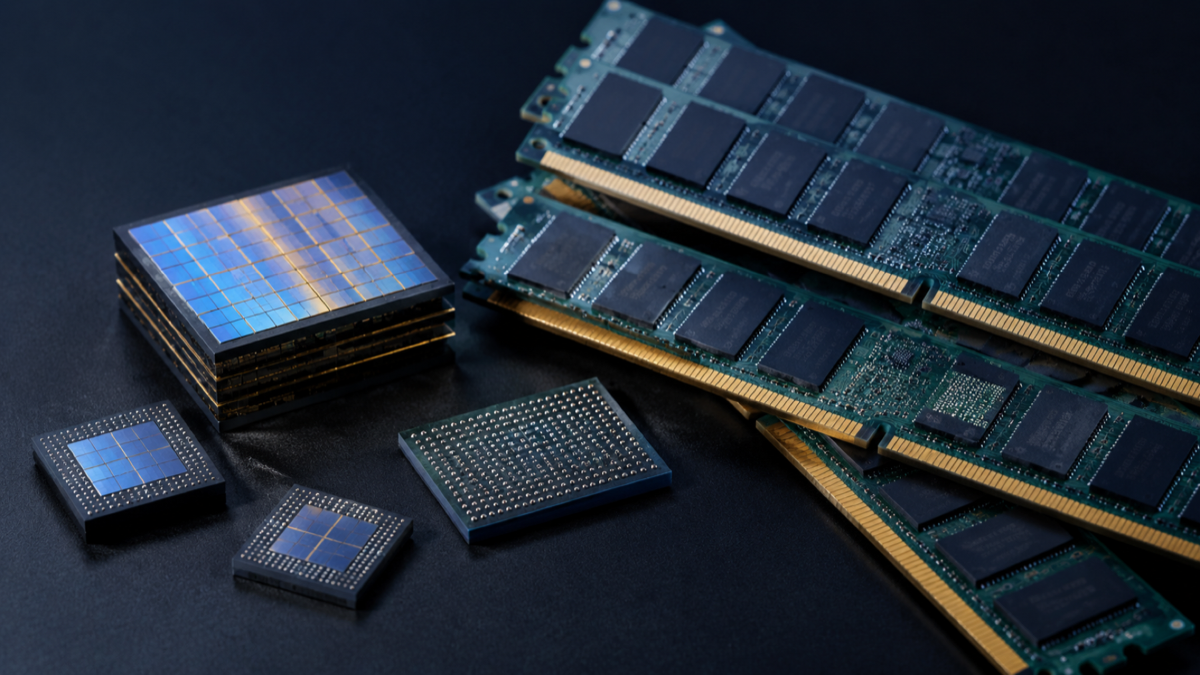
The engine driving these results is High Bandwidth Memory — the specialised chip architecture that sits at the heart of every AI accelerator Nvidia ships. SK Hynix controls roughly 50% of the global HBM market, and demand from data centre operators building out AI infrastructure has pushed both volumes and prices to levels the industry has never seen before. Contract prices for certain DRAM chips jumped nearly 83% in Q1 alone, while some NAND products surged around 160%, according to market tracker TrendForce.
A Record That Rewrites the Record Books
The Q1 2026 figures are not just records — they are records by a wide margin. Revenue surpassed 50 trillion won for the first time in a single quarter. The operating margin hit 71.5%, a figure that would be remarkable in any industry but is almost unheard of in the capital-intensive semiconductor business. Net profit of 40.35 trillion won exceeded the company's entire operating profit for the previous year.
Ki Tae Kim, head of HBM sales and marketing, was unambiguous on the earnings call about the demand picture. 'Client requests for HBM chip supplies over the next three years already far exceed our production capacity,' he said. The company has responded by accelerating its capacity expansion programme, bringing forward the opening of a new chip plant in South Korea and committing to purchase 11.95 trillion won worth of EUV lithography tools from ASML by 2027.
The Bonus That Shocked South Korea
The financial results would be remarkable on their own. But it is the downstream consequences for SK Hynix's 35,000 employees that have captured the attention of South Korea — and, increasingly, the rest of the world.
In September 2025, SK Hynix reached an agreement with its union to remove the previous cap on performance bonuses and allocate 10% of annual operating profit directly to employees. At the time, the agreement seemed generous but manageable. With analyst forecasts now projecting 250 trillion won in operating profit for 2026, the resulting bonus pool of 25 trillion won — split among 35,000 workers — translates to an average payout of approximately 700 million won, or $477,000, per employee.
Client requests for HBM chip supplies over the next three years already far exceed our production capacity.
Ki Tae Kim, Head of HBM Sales and Marketing, SK Hynix
The company already paid an initial profit-sharing bonus averaging 140 million won (roughly $95,000) per employee in February, based on 2025 full-year results. That figure alone would represent a life-changing sum for most workers. The projected 2026 payout, if analyst forecasts hold, would push the average to nearly half a million dollars — and investment bank Macquarie has forecast operating profit of 447 trillion won for 2027, which would push average bonuses beyond 1 billion won under the existing agreement.
A New Template for Korean Industry
The SK Hynix bonus system has triggered a wave of similar demands across South Korean industry. Samsung Electronics' labor union is pushing for 15% of operating profit from the Device Solutions division — which, at projected 2026 earnings, would translate to approximately 580 million won per employee across 77,000 workers. Samsung management countered with a 10% allocation matching SK's framework, but the union rejected the offer and announced a general strike from May 21st to June 7th.
The contagion has spread beyond semiconductors. Samsung Biologics' union is demanding 20%. LG U+ is pushing for 30%. Kakao has proposed 10% as one of several formulas it would accept. The Korea JoongAng Daily reports that union chairman Choi Seung-ho says roughly 200 Samsung employees have left for SK Hynix over the last four months, drawn by the compensation differential.
Management experts are divided on the long-term implications. Lim Chae-un, an emeritus professor of business administration at Sogang University, warns that tying bonuses solely to operating profit — rather than a composite metric that includes individual and team performance — could create perverse incentives. Companies might cut research and development spending or push expenses into later periods to maximise short-term operating profit, weakening their competitive position over time.
The Public Dividend Debate
The scale of the payouts has also sparked an unusual public debate in South Korea. Posts on the anonymous workplace forum Blind argue that companies benefiting from state infrastructure spending and the K-Chips Act's 20% tax credits should share their profits more broadly. The combined tax benefits received by Samsung and SK Hynix over the last two years total an estimated 20 trillion won ($13.6 billion).
Blue House policy chief Kim Yong-beom has proposed a 'public dividend' system to share record-high profits earned by the two chipmakers, on the basis that their gains 'are built on an industrial foundation built over decades by the entire population.' The proposal has drawn criticism from business groups but has resonated with a public that has watched semiconductor executives and engineers accumulate extraordinary wealth while broader wage growth has remained modest.
What Comes Next
SK Hynix's share price has jumped nearly 90% so far this year, with a market value climbing to approximately $590 billion — surpassing ASML, Europe's most valuable company. The company is reviewing shareholder return measures, including dividends, share buybacks and cancellations, and aims to finalise plans within the year.
The pace of price increases may begin to ease after the second quarter as new production capacity comes online, but constrained supply is expected to continue until new fabs are fully operational — a process that can take more than a year after construction begins. SK Hynix chair Chey Tae-won has said a global chip wafer shortage is likely to persist until 2030.
For SK Hynix employees, the immediate future looks extraordinary by any measure. For the broader Korean economy, the company's profit-sharing experiment is forcing a reckoning with how the gains from the AI chip supercycle should be distributed — between workers, shareholders, the state, and the public that subsidised the industry's rise. That conversation is only just beginning.