Technology
Apple Opens Siri AI Public Beta As The iPhone Becomes An AI Test Bed
Apple's iOS 27 public beta gives everyday users their first broad access to Siri AI, putting personal-context assistance, on-screen awareness and Private Cloud Compute under a larger real-world test.
By Patrick T ·
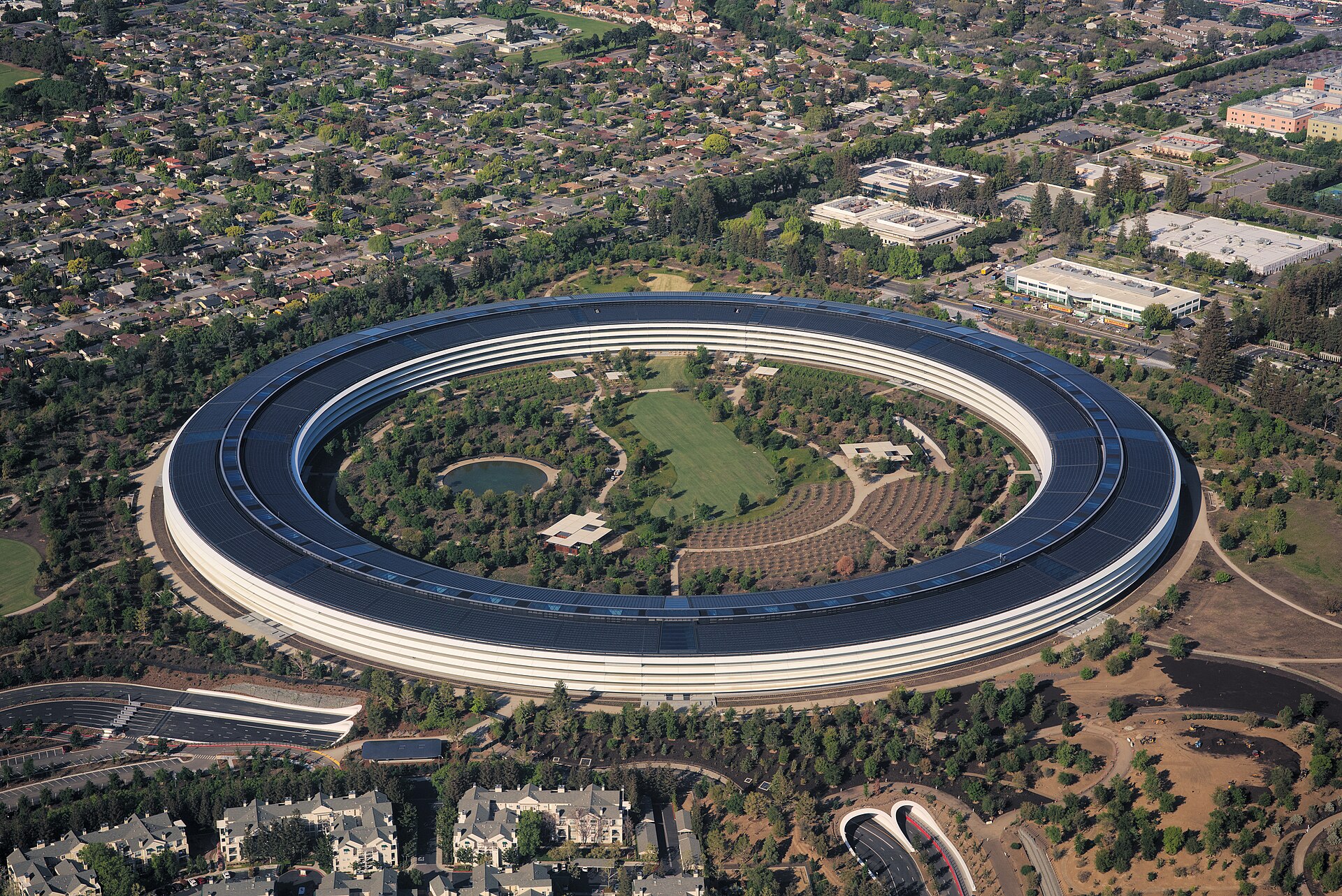
Apple has opened the iOS 27 public beta to everyday users, turning the long-delayed Siri AI overhaul into one of the largest consumer tests of a deeply integrated assistant. TechCrunch reported that the release marks the first time Apple's redesigned AI assistant is broadly available beyond developers, while Apple's own beta program says participants can enroll devices, test pre-release software and send feedback through Feedback Assistant. The scale is what makes the story different from another chatbot launch. Apple is testing AI in the operating system layer used by billions of devices.
Siri AI is not only a smarter voice interface. Apple says it can draw on personal context across messages, emails, photos and other device data, respond to what is on screen, take systemwide app actions and answer broader questions using world knowledge. That makes the assistant less like a separate app and more like a control surface for the phone, tablet, Mac, watch and Vision Pro. For users, the promise is convenience. For Apple, the strategic value is that the assistant sits inside the product people already open hundreds of times a day.
The public beta also exposes Apple to the messy reality of personal AI. A model that can search a user's photos, parse messages and act across apps is useful only if it respects boundaries and understands context accurately. Apple's developer release notes already list known Siri issues, including cases where Siri may misunderstand selected photos, open a blank Safari screen or behave slowly in CarPlay. Those are ordinary beta problems, but they illustrate the operating challenge. When an assistant is wired into personal data and application actions, reliability becomes a trust requirement, not a polish item.
Privacy is the core of Apple's pitch. The company says the next generation of Apple Intelligence is built on a new architecture with on-device foundation models and Private Cloud Compute for larger workloads. Apple also disclosed that it worked with Google to build its third generation of Apple Foundation Models, and that it is expanding Private Cloud Compute beyond Apple data centers to support new workloads while preserving its privacy commitments. That is a significant concession to the compute demands of modern AI, even for a company that prefers tight vertical control.
The Google collaboration also shows how hard it is for any company to build a full AI stack alone. Apple can design chips, operating systems, services and privacy infrastructure, but frontier model development has become capital intensive enough that selective partnership is rational. The important question is not whether Apple used outside model expertise. It is whether users can understand where their data goes, which features run locally, which use cloud inference and what controls exist when the assistant makes a mistake.
For developers, Siri AI changes the platform calculus. If Apple can make app actions reliable, developers will have to think about their products not only as screens but as capabilities the assistant can call. That creates distribution upside for apps whose intents are well structured, and risk for apps that expose sensitive operations without clear confirmation. The iPhone interface may become less about opening an app and more about asking the system to coordinate several app actions in sequence.
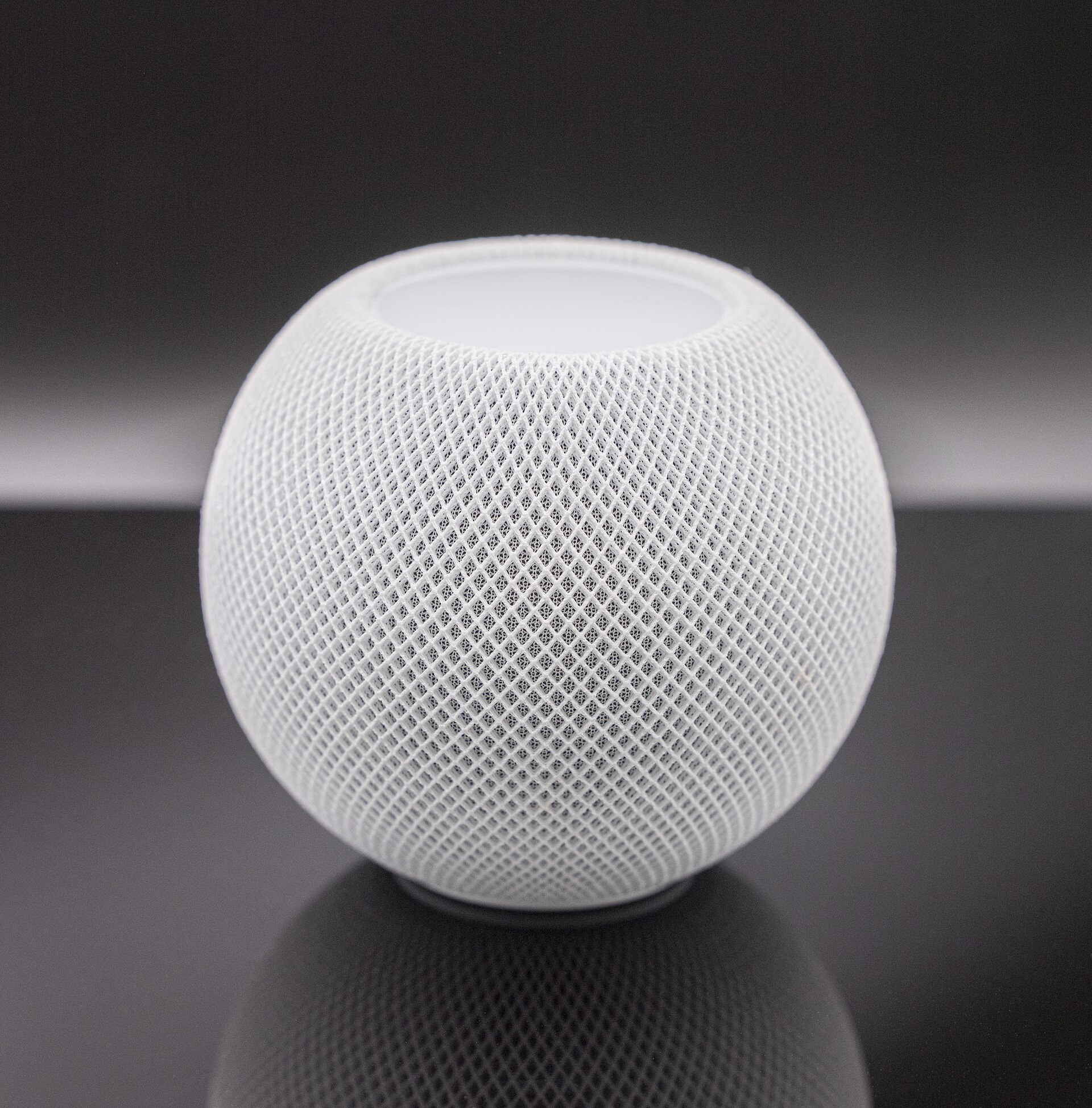
Apple also has to manage expectations. The company spent years promising a more capable Siri while competitors normalized chat-based AI. A public beta can rebuild confidence if it feels useful, but it can also make limitations highly visible. TechCrunch noted that the developer beta sometimes returned errors or became confused in basic tests. Apple can tolerate some rough edges in beta software. It cannot afford for users to conclude that the assistant is unpredictable when personal data is involved.
The strategic stakes are larger than voice. If Siri AI becomes a reliable system layer, Apple can make AI feel native rather than appended. If it disappoints, users will continue to treat ChatGPT, Gemini and Claude as separate destinations for serious AI work. The public beta is therefore not a ceremonial preview. It is Apple's first broad test of whether its privacy-first, operating-system-first AI strategy can compete with products that move faster but sit farther from the user's daily context.
Topics: Apple, Siri AI, iOS 27, Apple Intelligence