Technology
Apple's WWDC 2026 Preview: Gemini-Powered Siri and the Most Ambitious AI Overhaul in Apple's History
With WWDC two weeks away, leaked details and a new Apple subdomain point to a fundamental reimagining of Siri — powered by Google's Gemini and Anthropic's Claude.
By Elvin C ·
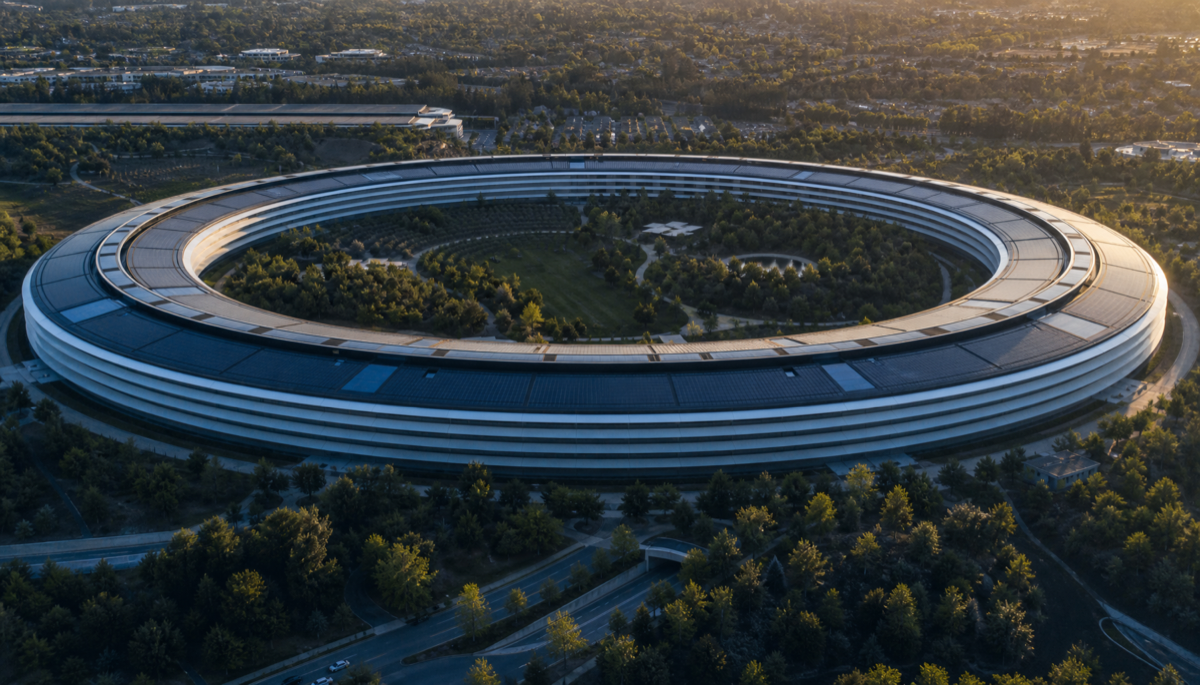
Apple's Worldwide Developers Conference 2026 is scheduled for June 9, and the pre-conference intelligence has reached an unusual level of specificity. A new Apple subdomain — genai.apple.com — went live last week, pointing to a full overhaul of Siri and Apple Intelligence that will be the centerpiece of iOS 27, iPadOS 27, and macOS 27. Multiple credible sources, including MacRumors and 9to5Mac, have reported details of a Siri redesign that is more fundamental than anything Apple has attempted since the assistant's introduction in 2011.
The Gemini Integration
The most significant reported change is the integration of Google's Gemini as the primary intelligence layer powering Siri. Apple and Google announced a partnership in late 2025 that would bring Gemini capabilities to Apple devices, and the WWDC 2026 announcements are expected to formalize and expand that integration. Under the reported architecture, Siri will use Gemini for complex reasoning tasks — understanding multi-step requests, maintaining context across long conversations, and generating responses that require synthesis of information from multiple sources.
Apple's own on-device models, which the company has been developing under the Apple Intelligence brand, will continue to handle privacy-sensitive tasks that users prefer not to send to cloud servers. The result is a hybrid architecture: on-device models for personal data processing, Gemini for complex reasoning, and — according to some reports — Anthropic's Claude as an additional option for users who prefer it. Apple is positioning this as giving users choice over which AI model powers their experience.
The New Siri Interface
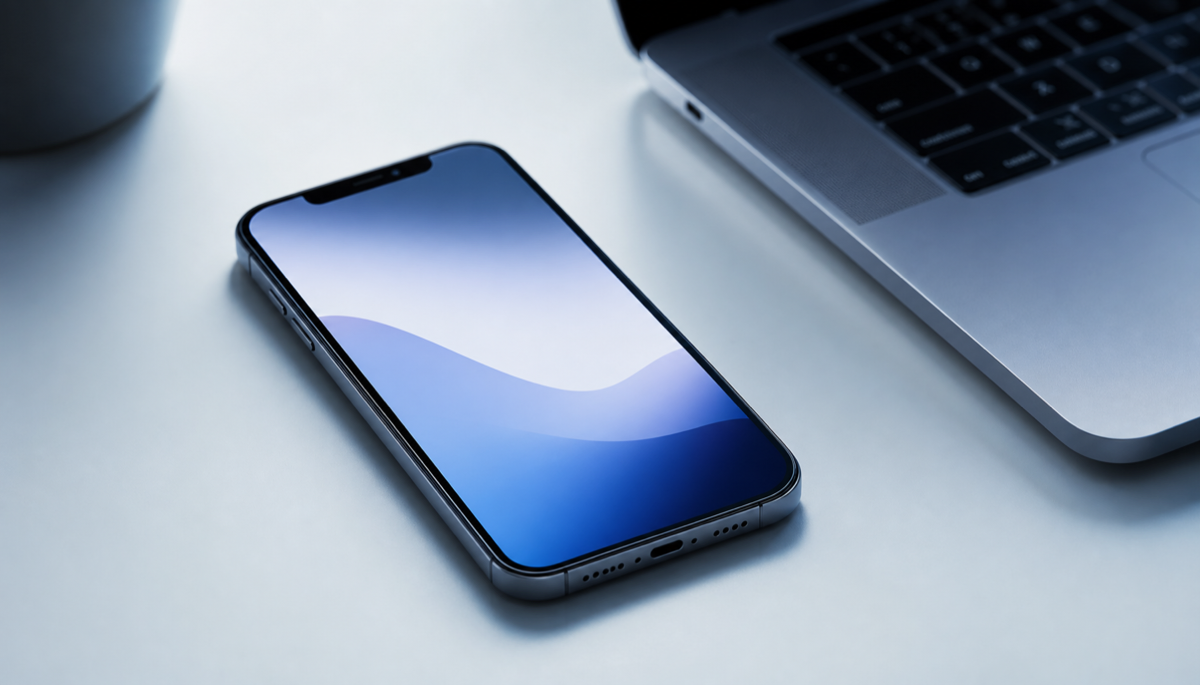
Beyond the underlying model changes, the reported Siri redesign includes a new standalone Siri app — the first time Apple has given the assistant its own dedicated application. The app is said to feature a conversational interface that maintains history across sessions, allowing users to refer back to previous conversations and continue threads that were started days or weeks earlier. This addresses one of the most persistent criticisms of the current Siri: its inability to remember context between sessions.
The Dynamic Island on iPhone models is also reported to receive a Siri-specific redesign, with a new visual language that indicates when Siri is actively processing, when it is waiting for input, and when it has completed a task. Sources describe the new interface as significantly more expressive than the current glowing orb, with animations that communicate the assistant's state in a way that feels more like interacting with an intelligent agent than a voice command system.
Apple is positioning WWDC 2026 as the moment Siri finally becomes the intelligent assistant it was always supposed to be.
MacRumors, May 2026
The Competitive Context
Apple's Siri overhaul is arriving at a moment of acute competitive pressure. ChatGPT has become a mainstream consumer product with over 800 million users. Google's Gemini is deeply integrated into Android and is being woven into Search, Gmail, and Google's entire product suite. Anthropic's Claude has established a strong position in enterprise and developer markets. Microsoft's Copilot is embedded in Windows and Office.
Against this backdrop, the current Siri — which struggles with complex requests, frequently misunderstands context, and cannot complete multi-step tasks — looks increasingly dated. Apple's premium hardware business depends on the perception that its devices are the most capable tools available. If Siri continues to lag behind competing AI assistants, it creates a genuine competitive risk, particularly in markets where Android devices with Gemini integration are available at lower price points.

The Privacy Question
Apple's decision to integrate Gemini — a Google product — into Siri raises obvious questions about privacy. Apple has built its brand, in part, on the promise that it does not monetize user data in the way that Google and Meta do. Sending Siri queries to Google's servers, even under a contractual arrangement that prohibits Google from using that data for advertising, represents a significant departure from the on-device processing model that Apple has championed.
Apple is expected to address this directly at WWDC, with detailed explanations of what data is sent to Gemini's servers, what data stays on-device, and what contractual protections are in place. The company has reportedly negotiated terms with Google that prohibit the use of Siri query data for model training or advertising targeting. Whether users will find those assurances sufficient is an open question. Privacy advocates have already begun raising concerns, and the integration is likely to face scrutiny from European regulators under the GDPR.
What to Expect on June 9
Based on the pre-conference intelligence, WWDC 2026 is shaping up to be one of the most significant Apple events in years. The Siri overhaul will be the headline, but it will be accompanied by a broader set of AI features across iOS 27 — including AI-powered writing tools in Notes and Mail, enhanced image generation capabilities in Photos, and new accessibility features that use AI to describe visual content for users with visual impairments.
The conference will also be closely watched for any announcements about Apple's own model development. The company has been investing heavily in its own large language model research, and some analysts expect WWDC to include details about Apple's next-generation on-device models, which are reportedly significantly more capable than the models powering the current Apple Intelligence features. Whether Apple positions these models as a complement to Gemini or as an eventual replacement will be one of the key signals to watch.