Technology
AI Data Centers Are Running Into The Politics Of Water
A new wave of AI data centers is being planned in drought-stressed regions, intensifying scrutiny of cooling, local water rights, and infrastructure disclosure. The AI boom is becoming a land-and-water politics story.
By Patrick T ·
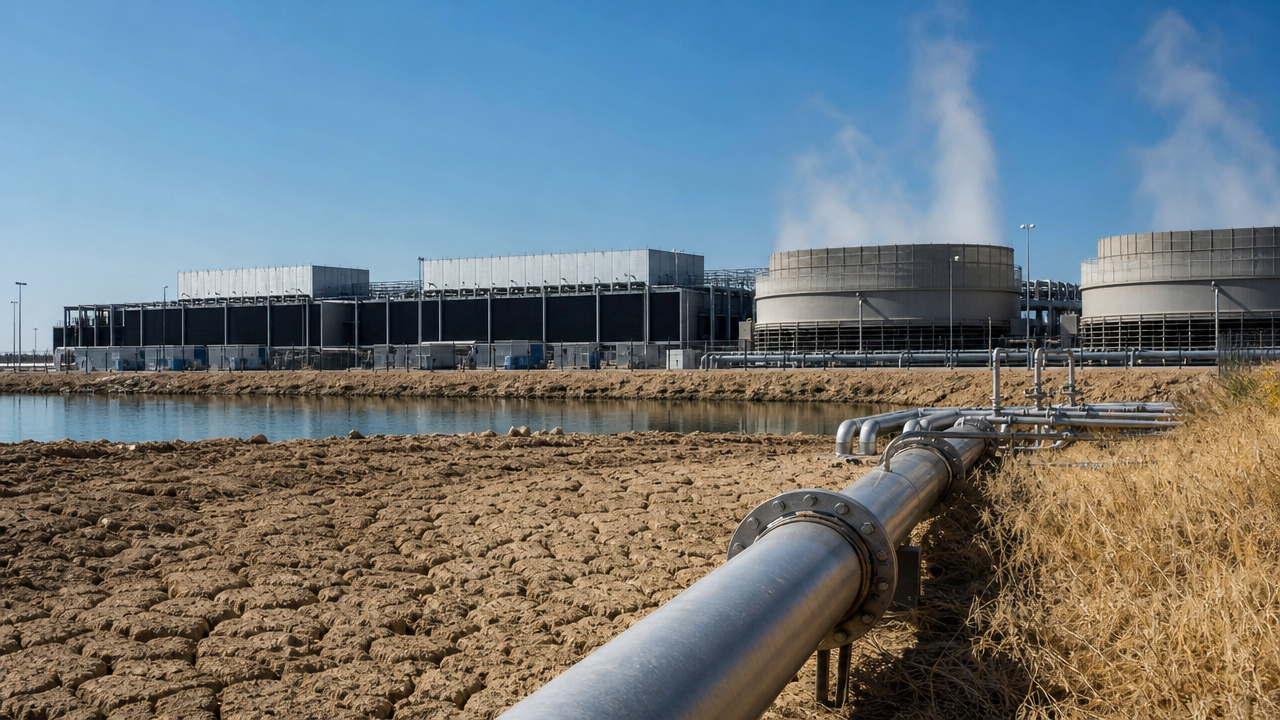
The AI data-center boom is colliding with a resource that is harder to abstract than compute: water. A Guardian analysis found that a majority of planned U.S. data centers are being built in drought-hit locations, raising questions about cooling systems, aquifers, public disclosure and who gets priority when local water systems are under stress.
The numbers are politically potent. The analysis said 517 of 809 planned data centers were in locations that had experienced drought conditions over the prior year. The industry argues that data centers remain a smaller water user than agriculture or lawns in many regions, but local communities hear a different message: a new, powerful buyer wants access to a strained resource.
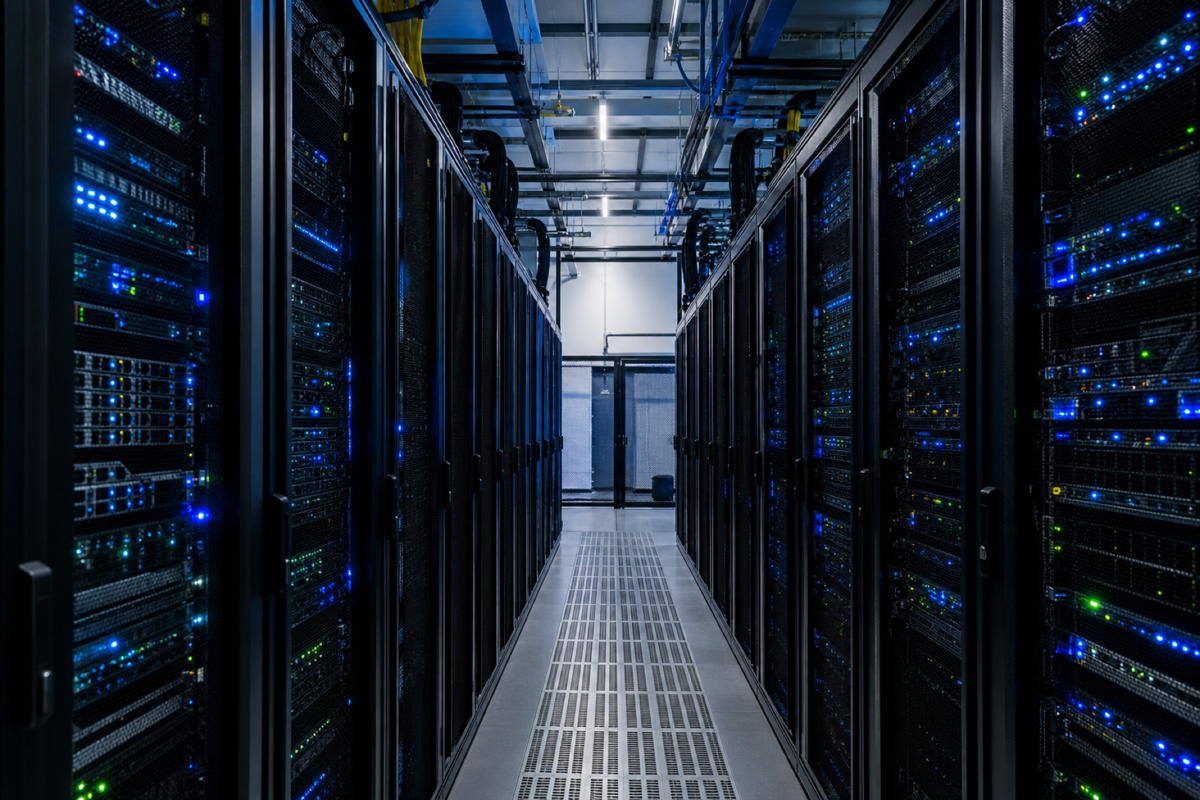
That is why water is becoming part of AI infrastructure due diligence. The compute race is no longer only about GPUs, power purchase agreements and fiber routes. It is about whether a facility can operate without becoming a local political liability. Data centers need cooling because AI hardware runs hot, and operators can choose among water-intensive evaporative cooling, more closed-loop systems, liquid cooling designs or approaches that shift more burden toward electricity.
Every option has a tradeoff. A water-efficient system may consume more power. A power-efficient system may consume more water. A site that looks cheap on land and tax incentives may become expensive if it triggers local opposition, permitting delays or future restrictions on withdrawals.
The problem is that communities often struggle to compare claims. Companies may report water use in annual sustainability documents, but local residents want project-level detail: daily draw, seasonal peaks, source of water, drought contingency plans and whether the facility competes with farms or households. The AI industry has learned to talk about model cards and safety reports. It may need an equivalent for infrastructure.
Water-use disclosures, cooling-method summaries, power-source commitments, grid-impact studies and community-benefit agreements will matter to investors too. A data center delayed by water litigation or local opposition is not only a public-relations issue. It is a capacity risk. If model companies are promising future products based on future compute, then permitting and water access become part of the product roadmap.
The strongest operators will likely treat water planning as a front-end design constraint rather than a late-stage communications problem. That means choosing sites with resilient resources, investing in recycling, publishing clearer metrics and negotiating with local stakeholders before opposition hardens.
The water debate is another reminder that AI is not weightless. A chatbot answer may feel digital, but the system behind it sits on land, draws power, rejects heat, consumes water, uses chips and depends on local infrastructure. That physicality changes the politics: people may support AI in theory and still oppose a data center near their town if they believe it raises utility costs, stresses water supplies or benefits distant companies more than local residents.
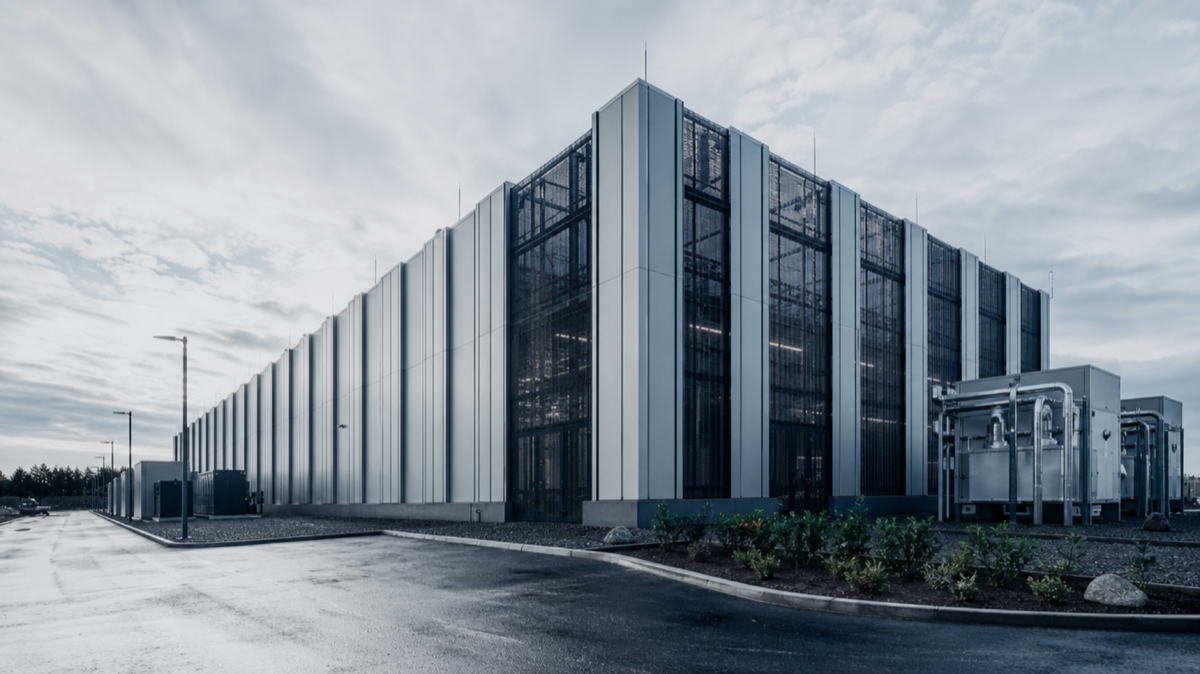
Over time, water constraints may influence where AI capacity is built. Regions with abundant water, cooler climates, strong grids and faster permitting could gain advantage. Regions with drought stress may demand tougher mitigation, higher fees or limits on new projects.
That does not mean AI infrastructure stops. It means the industry has to get more disciplined. The next generation of data-center strategy will require engineers, energy buyers, hydrologists, local officials and community negotiators at the same table. The companies that handle water honestly will not make the controversy disappear, but they can avoid the worst mistake in infrastructure politics: treating a local resource as if it were merely another line item in a global compute spreadsheet.
Topics: AI data centers, water, drought, infrastructure