Technology
Data Center Cooling Becomes A Local Planning Fight In The AI Boom
As AI data centers spread, cooling choices are becoming political decisions involving water use, power demand, tax incentives, local jobs and public trust.
By Patrick T ·
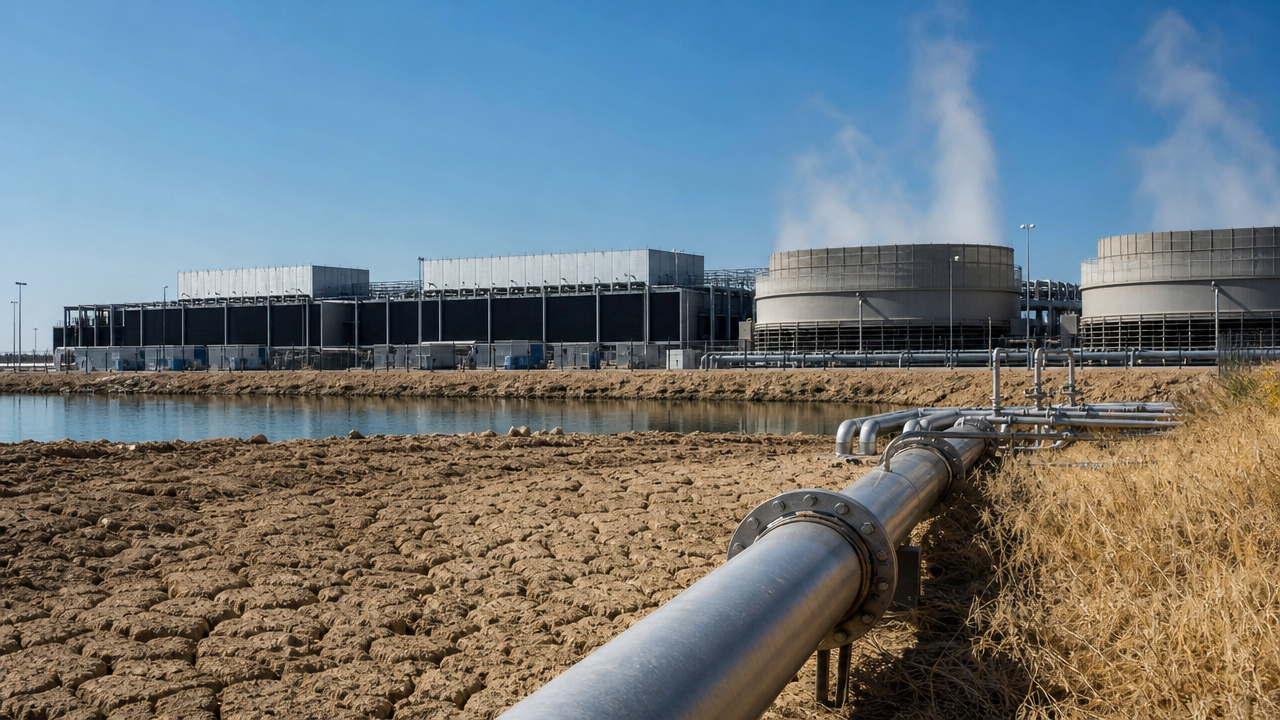
The AI data-center boom is turning cooling into a local political issue. What once looked like an engineering decision inside a facility now affects water planning, power infrastructure, tax negotiations and whether communities believe the AI economy is worth hosting.
AI workloads run hot because dense racks of accelerators consume enormous power. Operators can use air cooling, evaporative cooling, direct-to-chip liquid cooling or hybrid systems. Each option moves the burden somewhere: more electricity, more water, more capital expense, more maintenance complexity or more local scrutiny.
That tradeoff matters because AI infrastructure is no longer confined to a few familiar cloud campuses. New projects are reaching smaller cities, industrial corridors and regions where water and grid capacity are already contested. A facility can promise jobs and tax revenue while still raising questions about wells, rates, noise, land use and emergency reserves.
The industry often talks about efficiency at the corporate level. Local communities ask more practical questions. How much water will this site use on the hottest week of the year? Which aquifer or utility supplies it? What happens during drought? Who gets priority if the grid is constrained?
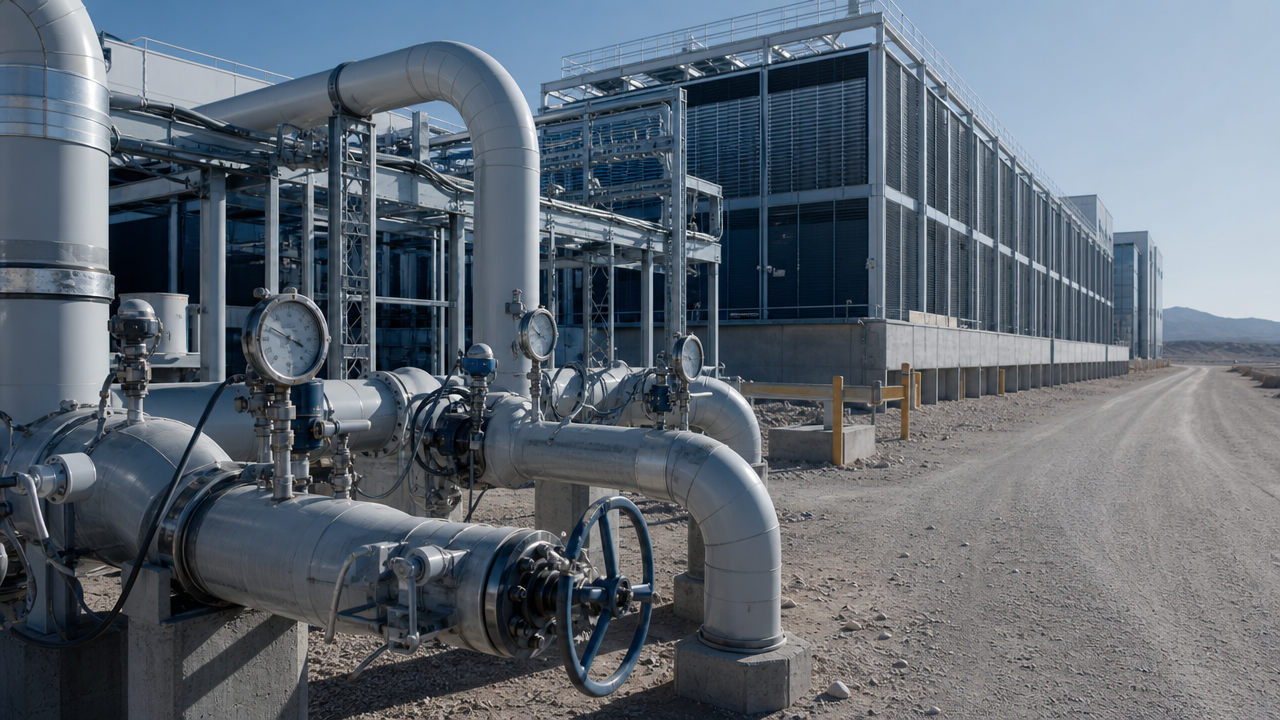
Liquid cooling can reduce some pressure by moving heat more efficiently, but it is not a magic answer. It changes facility design, supply chains, maintenance skills and failure modes. It also depends on whether operators use closed-loop systems, where heat is rejected, and how power and water interact at the site.
For model companies, cooling strategy is becoming part of competitive advantage. A lab that can secure dense, reliable, well-cooled capacity can train and serve models more predictably. A lab stuck waiting on grid upgrades or water permits may lose months in a market where months matter.
For policymakers, the challenge is transparency without panic. Not every data center is a local disaster. Not every company is hiding the ball. But public trust erodes when communities learn about resource commitments only after incentives and permits are already moving.
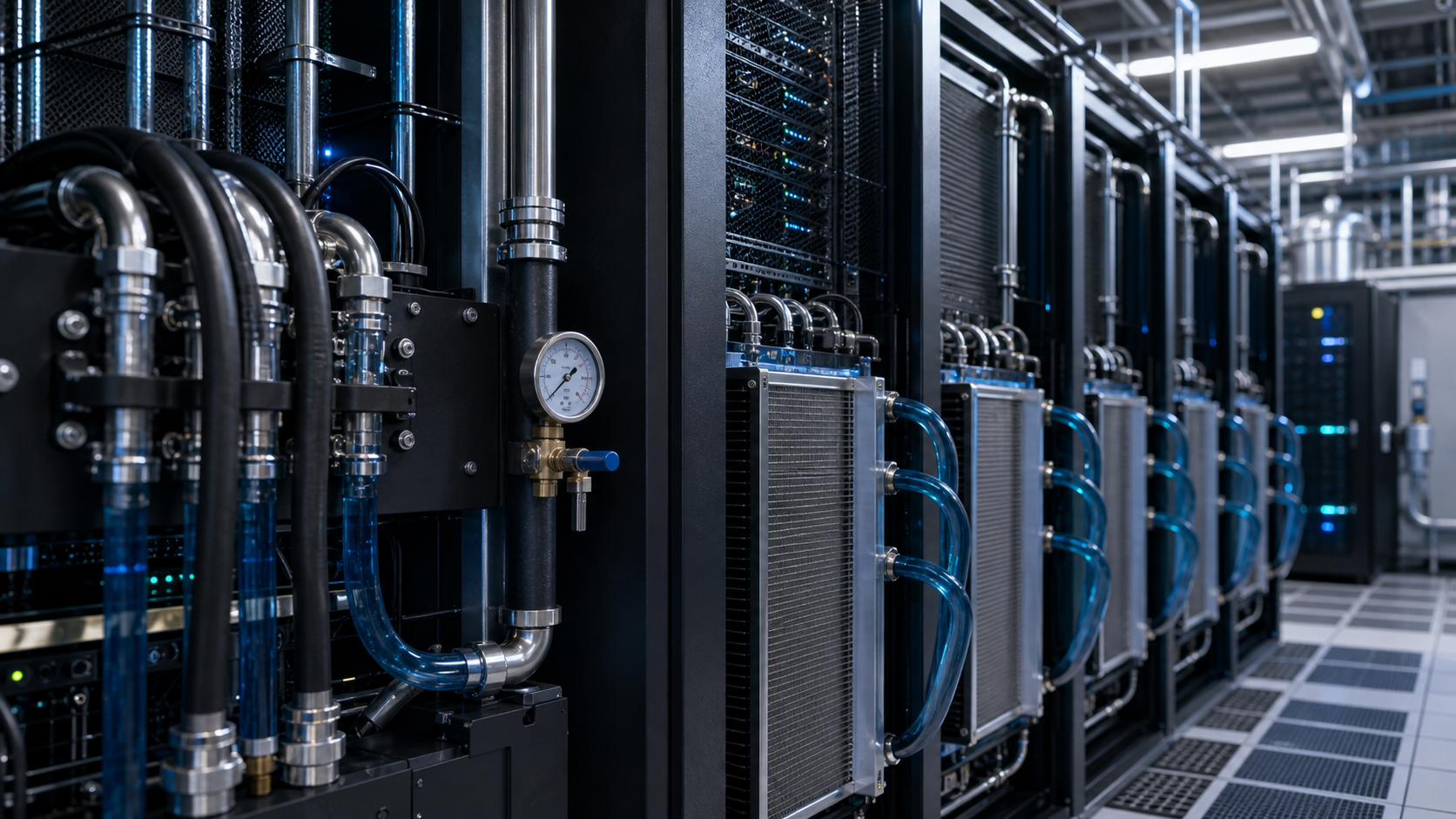
The likely result is a new disclosure norm. AI operators will need to explain power sourcing, cooling design, water intensity, contingency plans and local economic benefits in a language residents can evaluate.
Compute may be global, but infrastructure is local. The companies that understand that will face less resistance than those that treat communities as invisible inputs to model training.
Topics: AI data centers, cooling, water, power