Technology
BT's Glasswing Move Shows Telecom Is Becoming An AI Security Test Bed
BT has joined Anthropic's Project Glasswing, making telecom networks a live proving ground for defensive AI. The move shows why critical infrastructure operators are becoming early customers for restricted cyber-capable models.
By Patrick T ·

BT has become the first UK company to join Anthropic's Project Glasswing, according to TechRadar, and the move shows why telecom networks are becoming an important test bed for defensive AI. A national communications provider sees huge attack volume, complex infrastructure, and direct exposure to enterprise and consumer trust.
Project Glasswing gives selected organizations access to Anthropic's unreleased Claude Mythos Preview for defensive cybersecurity work. The model is not a normal public release because its capabilities could be misused, but that is precisely why critical infrastructure operators want controlled access for defense.
Telecom Is A High-Value Security Laboratory
Telecom networks are ideal proving grounds for cyber-capable AI because they combine scale, speed, heterogeneity, and high consequence. A provider like BT has to defend customer services, backbone infrastructure, enterprise products, mobile systems, and operational technology while attackers constantly adapt.
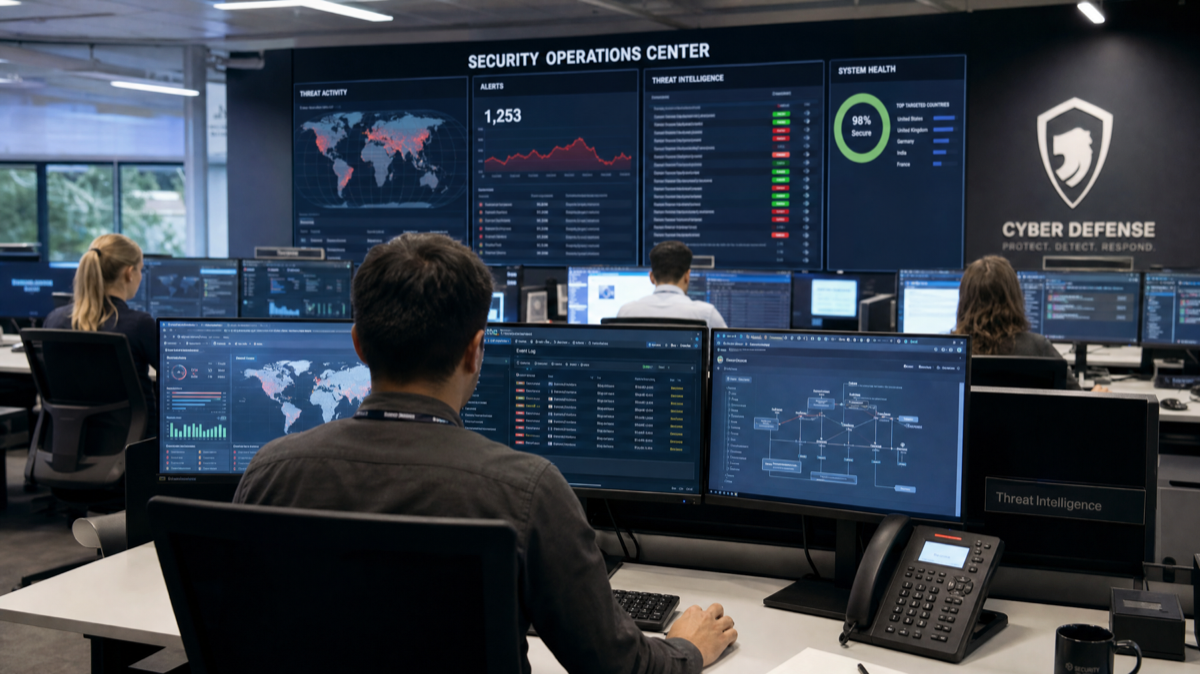
That makes the Glasswing partnership strategically different from a lab benchmark. BT can evaluate whether a restricted model helps defenders triage alerts, inspect code paths, find vulnerabilities, harden systems, and understand attacks faster than existing workflows.
Restricted Models Need Trusted Customers
Anthropic's challenge is to prove that restricted access can make society safer without creating an opaque club of privileged users. Project Glasswing has reportedly expanded to more than 150 organizations across multiple countries, which suggests the company is trying to build a controlled distribution channel for high-risk defensive capability.

The model is commercially attractive, but it raises accountability questions. Who decides which organizations qualify? How are findings reported? Can smaller defenders access similar tools? What evidence shows that restricted deployment reduces harm more than it concentrates advantage?
Critical Infrastructure Becomes The First Customer
The UK context matters because governments increasingly view AI adoption and cyber resilience as linked industrial priorities. BT's participation at the AI Adoption Summit positions telecom not as a passive user of AI tools but as a sector where safe deployment practices may be tested before broader rollout.
Topics: BT, Project Glasswing, Anthropic, telecom cybersecurity