Technology
Petlibro Adds AI Recognition to Feeders for Multi-Cat Homes
Petlibro's Granary 2 feeder line uses AI features to distinguish and monitor pets, bringing computer vision into a household device with health and privacy implications.
By Patrick T ·
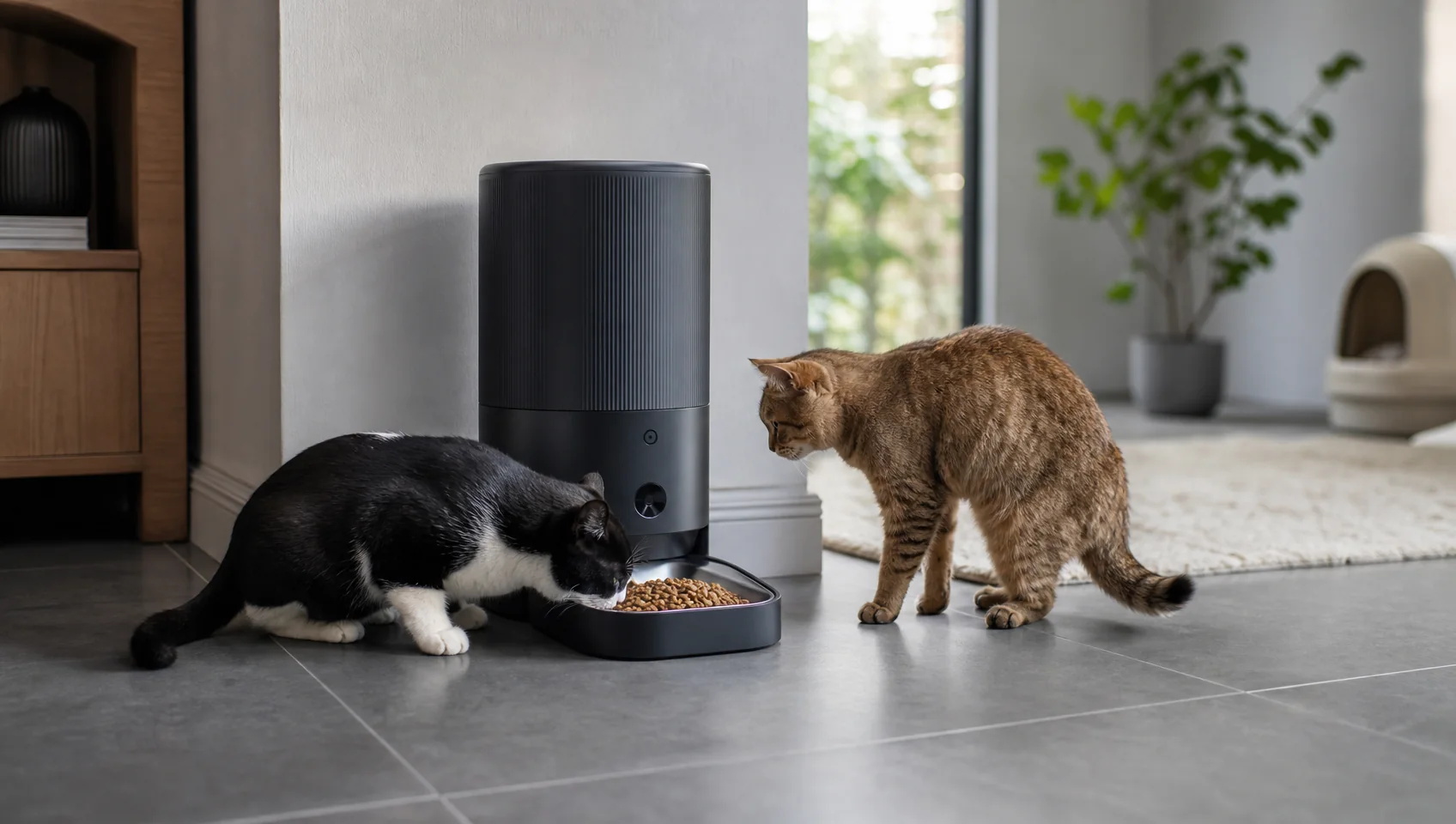
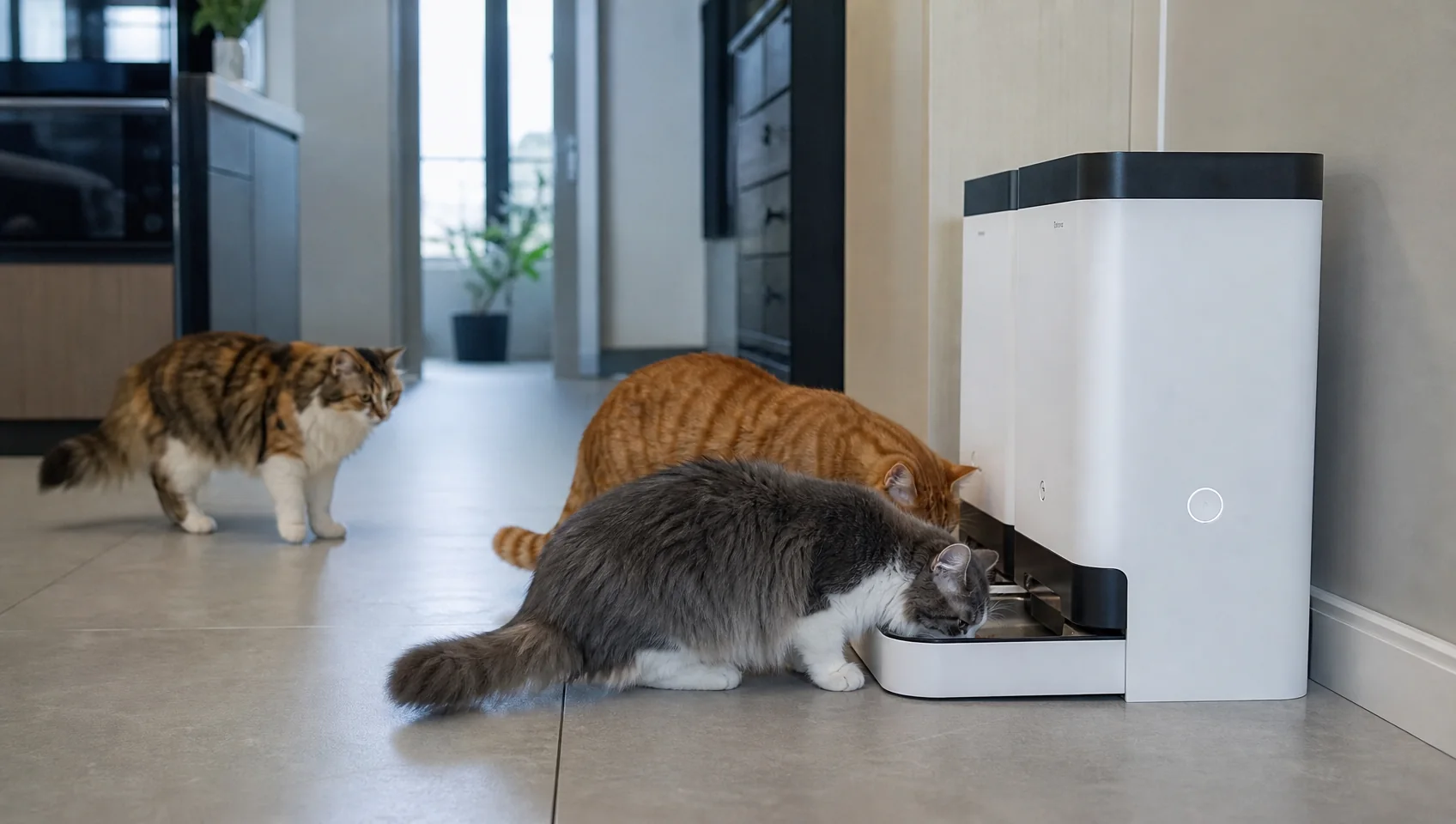
Petlibro's Granary 2 feeders. Petlibro's Granary 2 feeder line uses AI features to distinguish and monitor pets, bringing computer vision into a household device with health and privacy implications. The development emerged in Turing Wire's September 19 report, placing a concrete decision, release or disclosure behind a debate that had often been discussed in broader terms.
The product line is reported to range from $129.99 to $249.99 and targets homes where feeding history is difficult to attribute to one animal.
What Changed
Recognition can help owners spot changes in appetite, but the device should communicate uncertainty rather than convert a weak match into a health conclusion.
The immediate consequence is operational. Companies, policymakers and technical teams now have to translate the announcement into budgets, controls and measurable outcomes. That process usually exposes the distance between a product claim and a system that can be trusted under real workloads.
The implementation question begins after the product demo. Enterprises must connect identity, permissions, data quality, monitoring and human approval before a capable model becomes dependable infrastructure. NIST's AI Risk Management Framework offers a useful baseline, while OWASP's guidance covers the application-layer failures that appear when models receive tools and data.
Connected cameras inside homes require clear retention settings and security updates. Convenience does not remove the need to explain where images are processed and who can access them.
The Next Test
The next evidence will come from implementation rather than promises. Useful reporting should track who receives access, what safeguards are mandatory, how failures are disclosed and whether customers or the public can independently verify the claimed result.
That distinction matters because AI markets move quickly from announcement to assumption. Once a capability is treated as inevitable, procurement and policy can race ahead of the evidence. A disciplined response keeps the opportunity visible without treating uncertainty as an inconvenience.
Petlibro's Granary 2 feeders will ultimately be judged by what changes outside the launch cycle: the work completed, the risks reduced, the costs absorbed and the people who retain authority when the system is wrong. Those are slower measurements, but they are the ones that determine whether this development lasts.
Topics: Petlibro, computer vision, smart home, pets