Technology
Google Backs 16 Asia-Pacific Teams Using AI for Climate and Conservation
Google DeepMind’s first AI for the Planet accelerator in Asia-Pacific is supporting 16 teams working on biodiversity, agriculture and carbon markets, a test of whether frontier models can become dependable environmental infrastructure.
By Patrick T ·
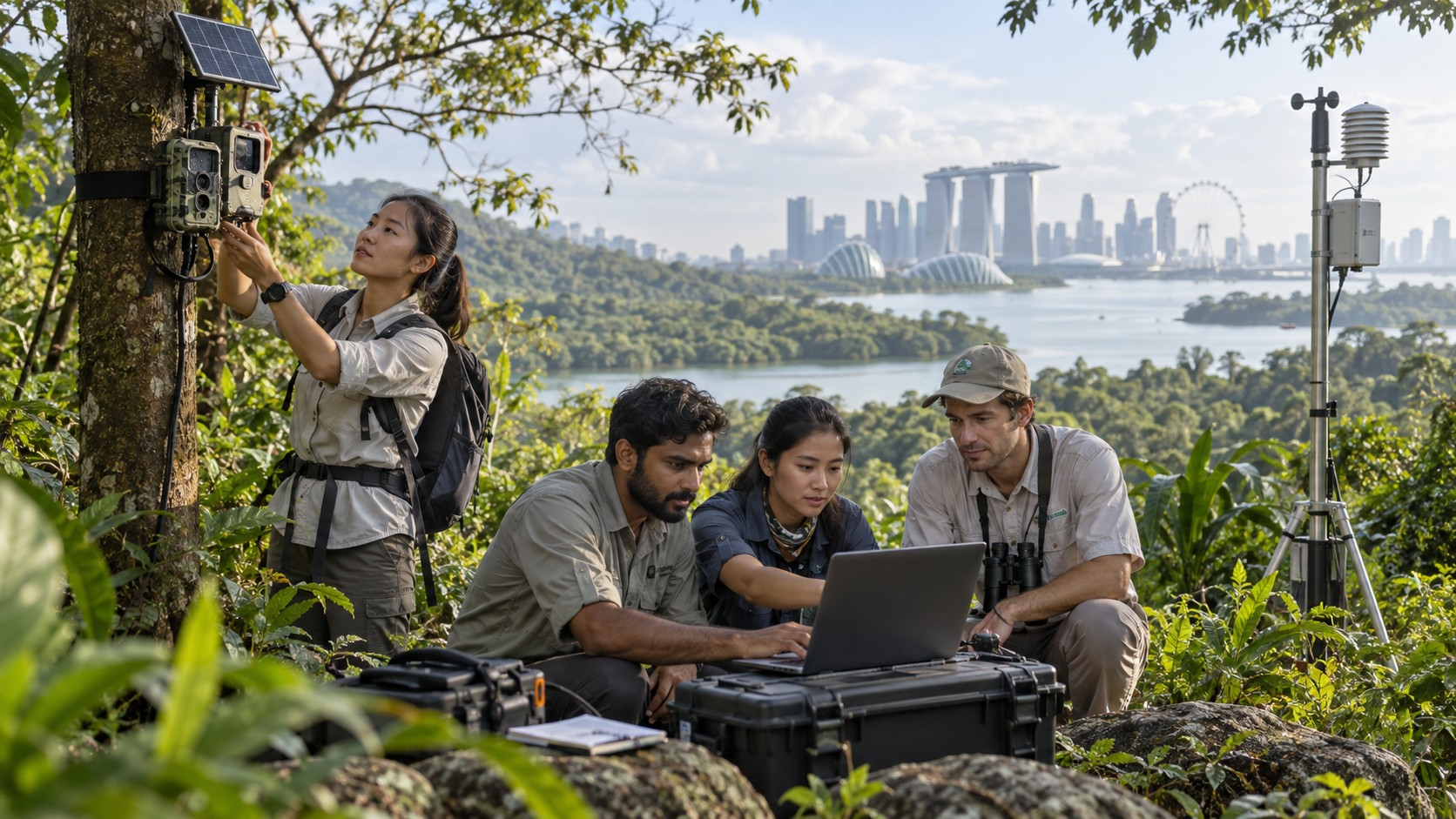
SINGAPORE. Google has selected 16 startups, nonprofits and research teams for the first Asia-Pacific edition of its DeepMind Accelerator: AI for the Planet, bringing projects from Australia, India, Indonesia, Japan, New Zealand, Singapore and other markets into a three-month program of technical support and mentoring. The cohort opened with a bootcamp in Singapore and covers work in biodiversity monitoring, sustainable agriculture, carbon measurement and climate resilience.
The program matters because environmental AI often fails in the distance between an accurate model and a usable field system. A conservation group may recognize species in clean test data but struggle with rain, background noise and intermittent connectivity. A farming model can produce recommendations yet miss local soil practices or the economics facing smallholders. The accelerator is designed around that implementation gap, not another general model leaderboard.
From Satellite Pixels to Field Decisions
Participants will work with tools including AlphaEarth Foundations for mapping, SpeciesNet and Perch for wildlife monitoring, ForestCast for ecosystem analysis and AnthroKrishi for agriculture. These are different technical systems, but they share a basic promise: convert large streams of visual, acoustic and geospatial information into signals that people can act on before a problem becomes more expensive.
New Zealand’s 800 Trust and Listening Lab are using bioacoustics to track biodiversity and environmental threats. Singapore’s Kumi Analytics combines remote sensing with deep learning to establish conservation baselines. Other teams are addressing forest restoration, methane, supply-chain traceability and crop resilience. The variety is a strength because it tests whether shared AI tools can survive very different data quality, language and operating conditions.
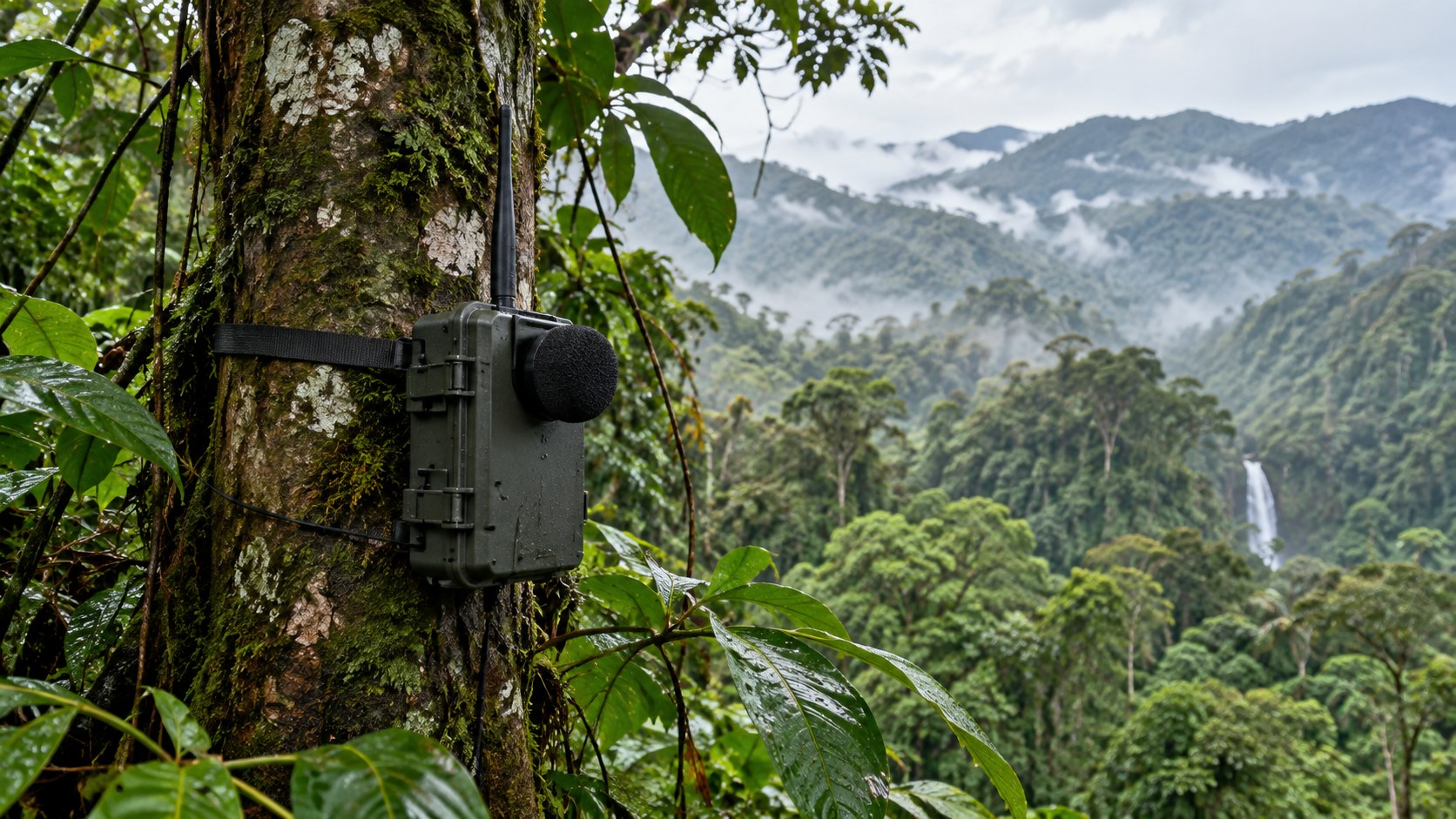
For biodiversity work, better detection is only the first step. Teams must know when a call came from an endangered animal rather than a common species, whether the sensor was calibrated, and how confidence changes with season and habitat. Google Research’s Perch models can help classify dense soundscapes, but credible conservation decisions still require local ecological expertise and a record of how each inference was produced.
Agricultural applications face a different constraint. Recommendations have to arrive in time, fit available equipment and make economic sense on farms that may have thin margins. Climate models are most useful when they become part of an existing decision, such as when to irrigate, where to inspect for disease or how to adjust planting. A technically elegant alert that cannot be acted on is not resilience.
The Region Is the Real Test
Asia-Pacific contains some of the world’s most climate-exposed communities as well as enormous ecological diversity. It also contains sharp differences in public data, cloud access and technical capacity. That makes the region a demanding place to prove whether a model can generalize beyond the wealthy, data-rich markets where many AI systems are developed.
Google says the cohort will receive expert mentorship and access to advanced models rather than a simple cash prize. That structure can accelerate prototypes, but long-term impact will depend on what happens after the three months end. Teams need stable access to compute, durable partnerships with agencies or communities, and financing that supports data collection and maintenance, not only software development.
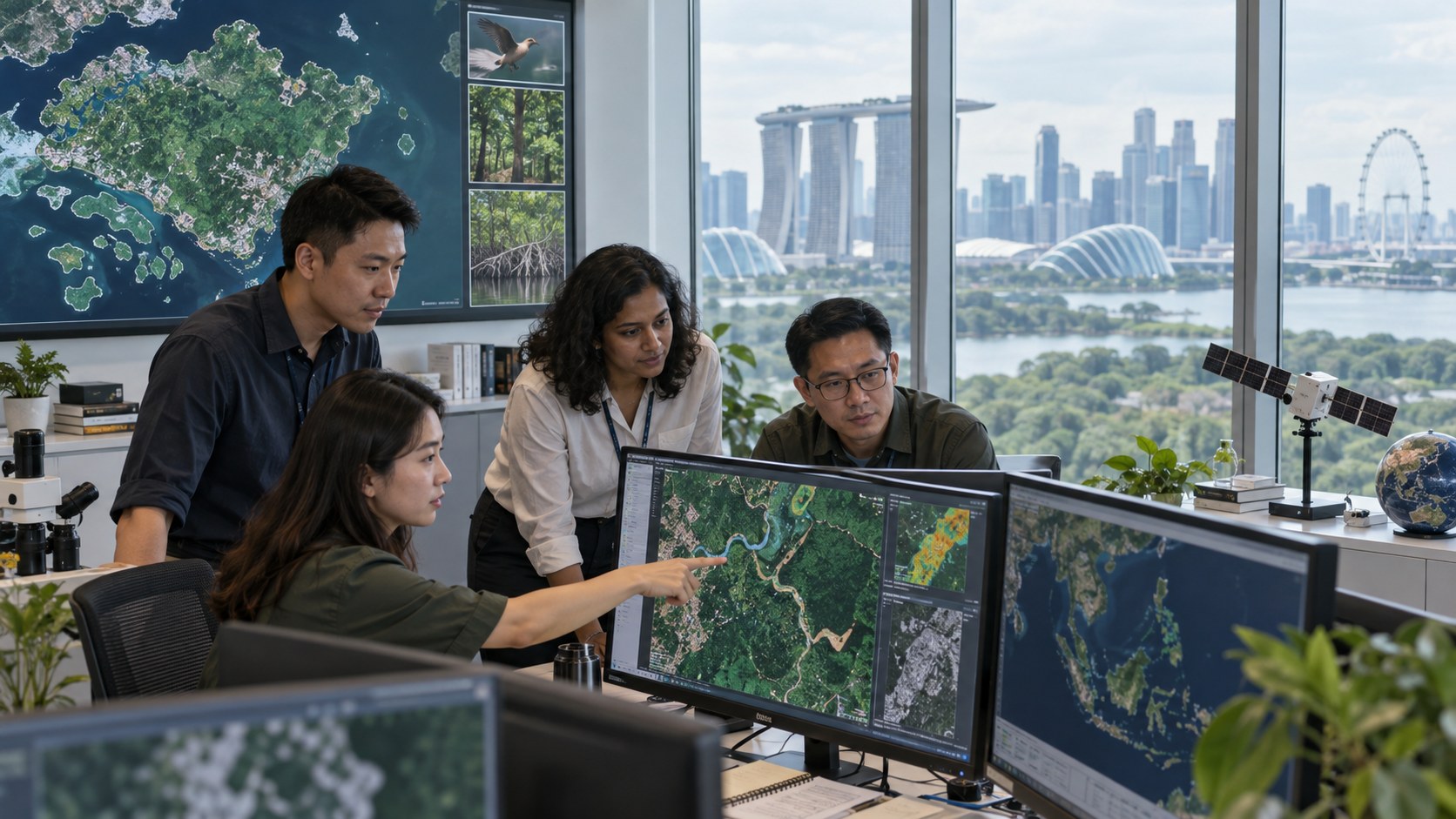
The climate cost of AI itself must remain inside the frame. Google has reported that its electricity use increased as AI and cloud demand expanded, even while data-center efficiency improved. Environmental applications do not automatically cancel the energy, water and hardware footprint of the systems running them. Programs should disclose where inference happens and whether the benefit is proportional to the resources consumed.
Measurement is especially difficult in carbon markets. A model can identify land-cover changes or estimate biomass, but credits and financing depend on baselines, additionality and verification rules. Project teams must keep a clear boundary between what the model observes and what a standards body or auditor concludes. Treating a probabilistic estimate as a settled fact would undermine the trust these tools are meant to improve.
What Success Should Look Like
The accelerator should also make room for negative results. Environmental projects often discover that a sensor is too expensive, a label is too subjective or a model cannot transfer between habitats. Publishing those limits would help other teams avoid repeating costly experiments. A program judged only by polished success stories creates pressure to hide the evidence that would be most useful to the wider field.
Regional partnerships can determine whether the technology lasts. Universities can validate methods, governments can provide authoritative data, and local organizations can explain who is affected by a deployment. No three-month accelerator can replace those relationships. It can, however, help teams build technical and governance practices that make them credible partners after the initial Google support ends.
A credible scorecard would measure more than model accuracy. It would track how much field time a system saves, how often local experts overturn its recommendations, whether false alarms decline, and whether a community can operate the tool without permanent outside support. Those indicators reveal whether AI has become infrastructure or remains a research demonstration.
Open methods will also matter. Environmental data can be sensitive because it identifies endangered species, indigenous lands or valuable natural resources. Teams should explain what is shared, what remains local and who can challenge a result. Google’s accelerator criteria emphasize responsible development, but each project will need a governance model suited to the people and places represented in its data.
The best outcome would not be 16 products dependent forever on one technology provider. It would be a set of regional organizations with better data practices, stronger technical capacity and tools that can move between models as the market changes. Frontier systems improve quickly; conservation and farming programs often run for decades. The operating knowledge needs to stay with the institutions doing the work.
Google’s program is therefore a useful test of a broader claim about AI for climate: that general-purpose models can be adapted into practical systems without losing local context. The selected teams are close enough to the problems to expose where that claim holds and where it breaks. Their most valuable result may be evidence about the limits, because environmental decisions cannot afford technology theater.
Topics: Google DeepMind, climate AI, Asia-Pacific, biodiversity, agriculture