Technology
Meta's AI Data Center Race Moves Into Tents
Meta is using temporary weatherproof structures in Ohio to accelerate AI data-center deployment, a construction shortcut that borrows from Tesla's factory playbook and xAI's off-grid power strategy. The move shows how far hyperscalers are willing to bend normal infrastructure timelines to keep model training capacity ahead of demand.
By Patrick T ·
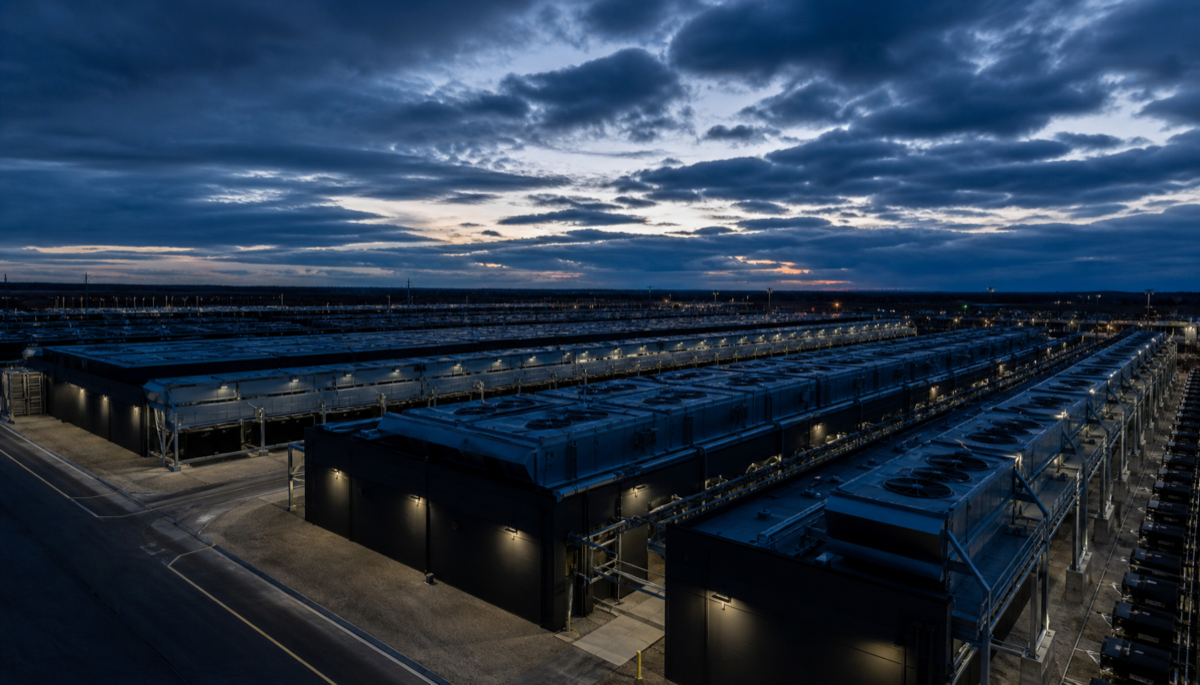
Meta has begun using temporary weatherproof structures to house AI data-center infrastructure in New Albany, Ohio, according to a June 4 report from TechCrunch, turning what would normally be a carefully staged construction project into something closer to a rapid industrial deployment. The company has reportedly built six large tent-like structures, which Meta describes as rapid deployment structures, as it tries to cut data-center construction timelines roughly in half.
The story matters because it makes visible a pressure that has been building across the AI industry for more than a year: model ambition is now constrained less by research ideas than by the physical speed of land, power, cooling, and chips. A frontier lab can plan a larger training run in weeks. A conventional data center can take years. Meta's tents are an attempt to close that gap with a construction format that is faster, less permanent, and more tolerant of a market where compute demand keeps outrunning forecasts.
A Factory Shortcut Comes To AI Infrastructure
The tactic echoes Tesla's use of large temporary structures during the Model 3 production ramp, when the company added capacity outside its Fremont factory to get cars off the line faster. In Meta's case, the object is not vehicles but servers, networking gear, and the AI accelerators needed to train and run large models. The comparison is useful because both situations involve a company deciding that conventional industrial buildout is too slow for the strategic moment.
TechCrunch reported that local permits reviewed by Cleanview founder Michael Thomas showed Meta starting construction on five 125,000-square-foot structures between April and June, with satellite images indicating the structures had already been built. The same report said the site is supported by 200 megawatts of modular gas turbines nearby, a power strategy associated with xAI's Memphis buildout. In other words, the bottleneck is not just sheltering chips. It is delivering power quickly enough to make those chips useful.
Why Meta Would Accept The Tradeoff
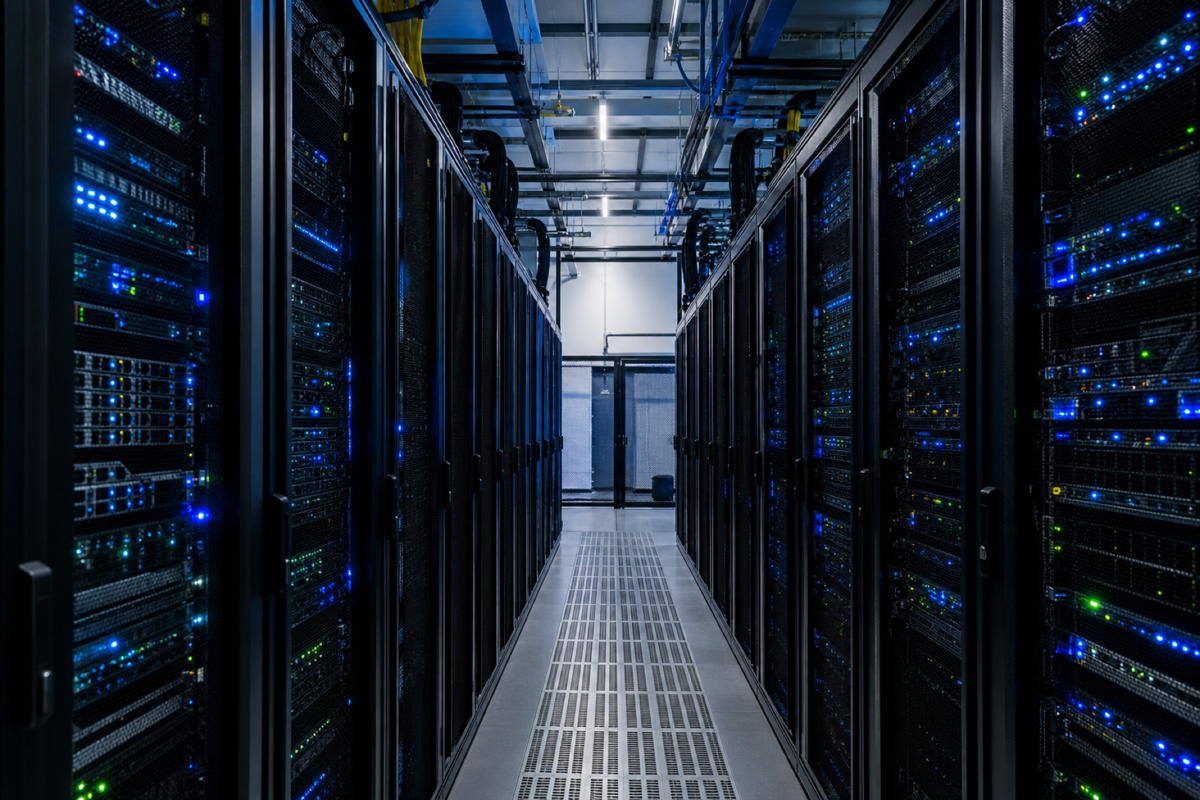
A tent is not a normal place to put billions of dollars of AI chips. That is precisely why the story is revealing. Meta is not choosing temporary structures because they are elegant. It is choosing them because the alternative is waiting for conventional capacity while rivals continue to train, deploy, and iterate. In the current AI cycle, a quarter of delay can mean missing a model window, delaying API access for developers, or falling behind in consumer AI features embedded across Facebook, Instagram, WhatsApp, and Meta AI.
Meta has already told investors that it expects 2026 capital expenditures of approximately $125 billion to $145 billion to support AI and its core business, according to the company's quarterly filing. The tent strategy should be read in that context. When annual infrastructure spending reaches that scale, shaving months from deployment timelines can be worth more than architectural neatness. The central question becomes whether the faster capacity meaningfully improves product velocity, not whether the buildings look like a traditional hyperscale campus.
The API Problem Behind The Construction Problem
The timing is awkward for Meta because the company has also faced reports of delays around developer access to its latest model work. If models are ready but APIs, capacity, or serving infrastructure are not, the constraint shifts from research quality to operational execution. That is the less glamorous part of the AI race, but it may be the decisive one. The lab with the best model does not win if it cannot serve the model reliably, cheaply, and at global scale.
This is where rapid deployment structures become strategically legible. They are not just a construction gimmick. They are a sign that AI infrastructure is becoming more modular, more improvisational, and more closely tied to product release cycles. The old cadence of data-center planning assumed relatively predictable enterprise and consumer demand. AI breaks that assumption because a new model, assistant, or image generator can create step-change usage overnight.
The New Physics Of The AI Buildout
The most important consequence is that the boundary between software strategy and physical infrastructure strategy is disappearing. Meta's AI roadmap is no longer separable from turbine procurement, local permitting, construction materials, utility interconnection, and the logistics of moving high-value hardware into temporary structures. For a company that built its advantage on software distribution and advertising infrastructure, that is a profound shift.
It also changes the risk profile. Temporary structures can accelerate deployment, but they raise harder questions about resilience, cooling efficiency, maintenance, security, and community impact. A conventional data-center campus is already a politically sensitive object because of water use, power demand, and grid stress. A faster, modular, turbine-backed deployment compresses those same questions into a shorter local timeline, giving communities and regulators less time to understand the tradeoffs.
For the broader AI sector, Meta's Ohio tents are a signal that the compute race is entering a more experimental phase. Companies are no longer simply ordering more GPUs and announcing larger capital budgets. They are redesigning the physical deployment model itself. Some will pursue nuclear deals, some will build around gas turbines, some will use temporary structures, and some will try to finance whole campuses through external partners. The common thread is urgency.
The uncomfortable lesson is that AI's next frontier may look less like a research lab and more like a construction site. Meta's tents are not the final form of AI infrastructure, but they are an honest picture of the present moment: the industry is racing so fast that even the buildings have become temporary.