Technology
Cyberport's AI Challenge Is Infrastructure, Not Just Startup Promotion
Hong Kong's AI startup strategy needs more than events, office space, and grant language. The practical bottleneck is access to compute, compliant data environments, security support, and real enterprise pilots.
By Patrick T ·
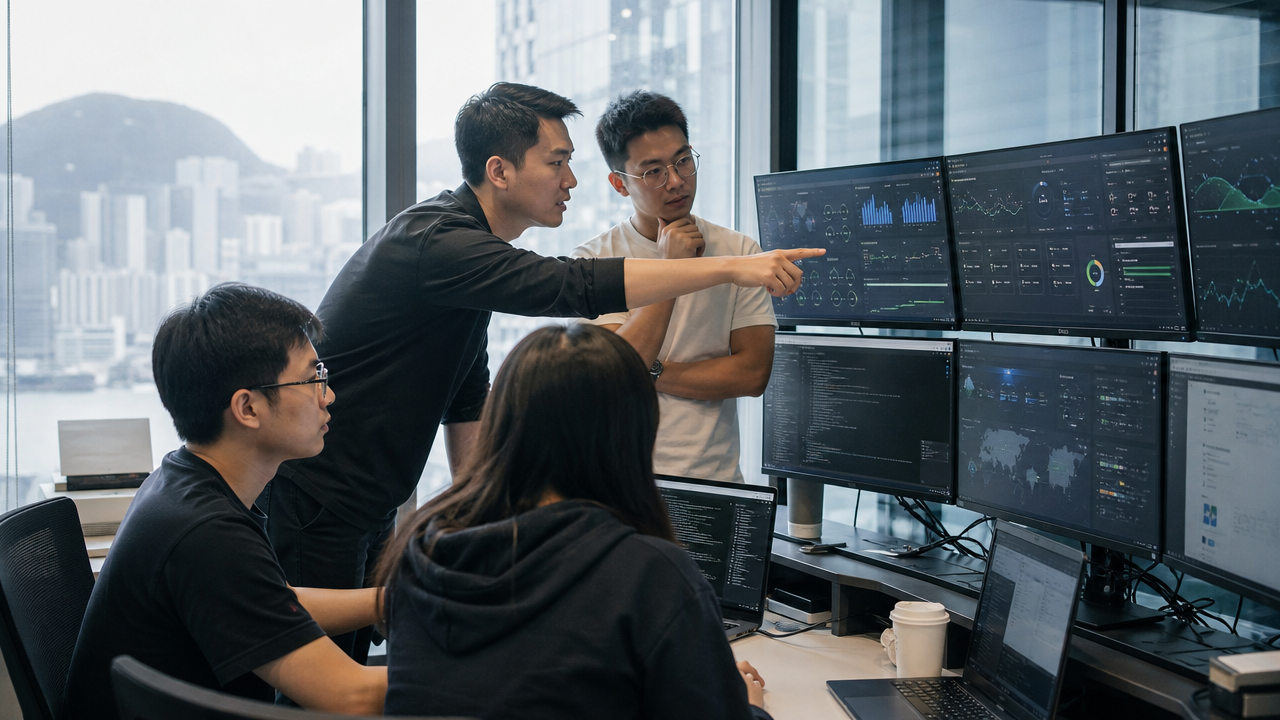
Hong Kong's AI startup story will not be decided by how many demo days it hosts. The harder question is whether founders can access compute, compliant data environments, security support, and real enterprise pilots without leaving the city.
That is why Cyberport's role is evolving. It is no longer enough to be a technology campus. In an AI economy, the platform has to coordinate cloud providers, universities, financial institutions, government buyers, and cybersecurity partners.
AI Companies Need Shared Rails
A serious AI company needs more than a model wrapper. It needs data handling rules, evaluation tools, inference budgets, customer sandbox access, and a path to procurement. Those rails are expensive for a small company to build alone.
Hong Kong's strongest sectors are finance, logistics, insurance, professional services, and public administration. These are also sectors with strict compliance requirements. That makes local trust infrastructure as important as raw technical ambition.
Compute Is A Retention Tool
If founders cannot get reliable compute and enterprise validation locally, they will move commercial work to larger markets even if the company remains registered in Hong Kong. Compute access is therefore a talent-retention policy as much as a technology policy.
Topics: Cyberport, Hong Kong AI, compute, startups