Technology
Anthropic Makes Claude Code Auto Mode The Default, Raising The Bar For Safe Autonomy
Claude Code will move to auto mode by default for paid users, shifting the practical question from whether agents can act to whether their guardrails are clear enough to let them act safely.
By Patrick T ·
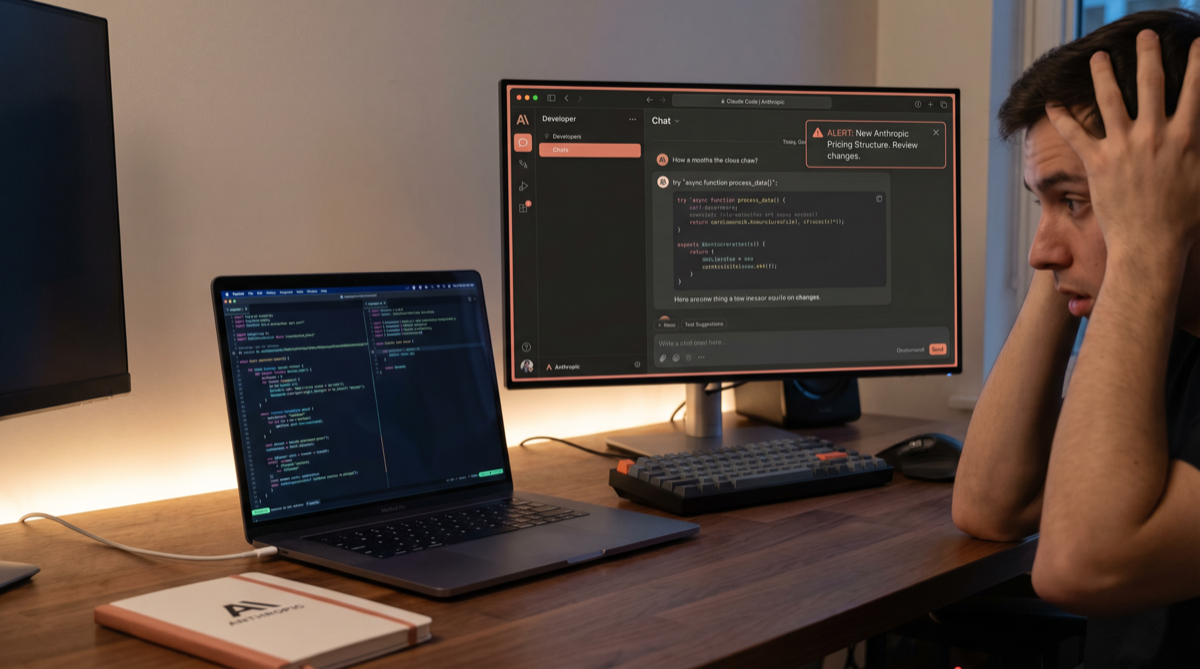
Anthropic says Claude Code's auto mode will become the default for Pro, Max and Team accounts on August 14, a product decision that moves AI coding agents one step further from constant click-by-click supervision. The company says the mode proceeds without presenting a permission prompt unless an action is irreversible, destructive or aimed outside the user's environment.
The change is less about a new model than a new operating contract. Coding agents are useful when they can inspect a repository, plan work, write changes and verify the result without making a developer approve trivial steps. But every prompt removed from that flow transfers more responsibility to the boundaries around the agent: the repository it can see, the credentials it can use and the actions that remain impossible without a human.
Anthropic said tests involving 1,053 paid users found auto mode caught 89% of harmful actions, compared with 13.6% for manual review. That is a striking comparison, but it does not remove the need for scrutiny. A prompt that people approve out of habit is a weak control; an automatic classifier can also fail in ways a team will discover only after it has been given authority.
The company has also pointed to prompt-injection screening and customizable hard-deny rules. Those features matter because software projects are connected systems. A coding assistant may encounter documentation, issue text, third-party packages and tool output that it did not author and cannot safely trust.
For engineering leaders, the real test is not whether auto mode saves a few approvals. It is whether a team can explain what the agent did, stop it quickly and recover if it chose the wrong path. Default autonomy will be credible only when those answers are routine.
Topics: Anthropic, Claude Code, AI agents