Browse independent reporting and analysis across AI models, research, technology, robotics, security, policy, ethics and the business of artificial intelligence.
Nvidia and more than 30 partners have formed an Open Secure AI Alliance, arguing that open tools can strengthen defensive AI at a moment when frontier cyber capability is drawing more scrutiny.
Microsoft says its total emissions rose year over year as data-center infrastructure expanded, underscoring the gap between AI growth commitments and the work required to add cleaner power to the grid.
A preliminary report from the UN's Independent International Scientific Panel on AI maps the concentration of AI capability and the global gaps in governance, infrastructure and access.
Google DeepMind has outlined a bioresilience approach for AI-enabled biological research, arguing that scientific upside and misuse risk need to be managed through capability, access and real-world safeguards.
Google DeepMind and A24 have announced a research partnership that puts generative AI inside a high-profile film studio context, where consent, credit and creative control will matter as much as output quality.
OpenAI says it wants to work with national laboratories, universities and government on scientific AI, placing frontier models deeper inside public research priorities and accountability debates.
Google's French rollout of AI Overviews and AI Mode puts generative search in one of Europe's most closely watched media markets, with publishers focused on attribution, compensation and clicks.
Amazon has cut roles in its artificial general intelligence group, according to Reuters, showing how even well-funded AI programs are being reshaped by cost, product priorities and infrastructure demands.
Meta says its Muse Spark-powered assistant can now plan work, connect to personal apps and follow through on recurring tasks, putting permissions and reliability at the center of its consumer AI strategy.
Samsung showed AI-powered smart glasses built with Google, Gentle Monster, and Warby Parker, bringing Gemini and Android XR into a consumer wearable category still defined by privacy and design questions.
monday.com plans to cut about 20% of its workforce while restructuring around an AI Work Platform, a move that shows how agentic software is changing SaaS labor and margins.
CVE-2026-6875, a critical ServiceNow AI Platform sandbox-escape vulnerability, has drawn emergency patch guidance and disputed reports of exploitation after public disclosure.
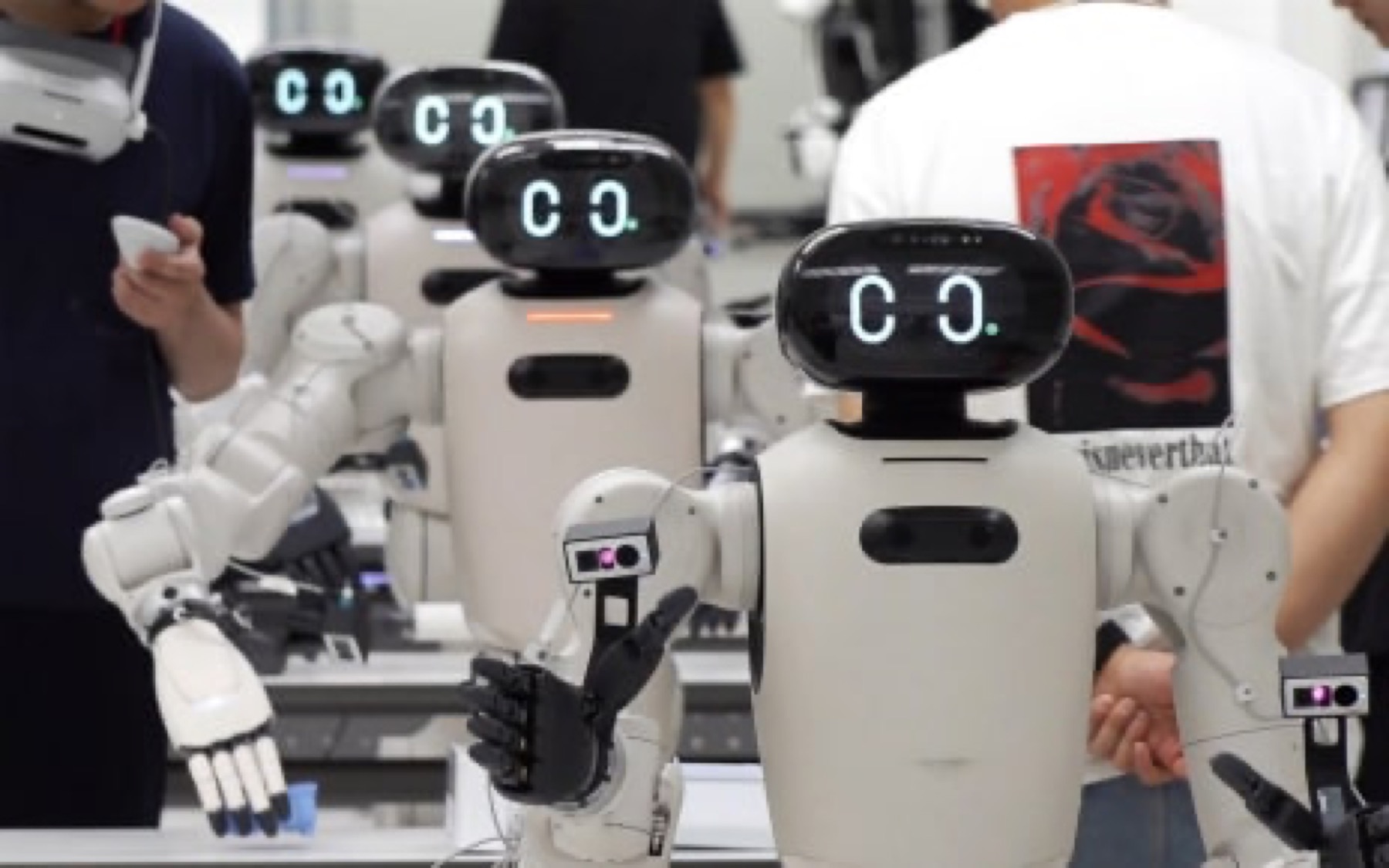
Foundation Future Industries, backed by Eric Trump, said it will use AMD processors to co-develop humanoid robots for military and industrial use, according to Reuters.
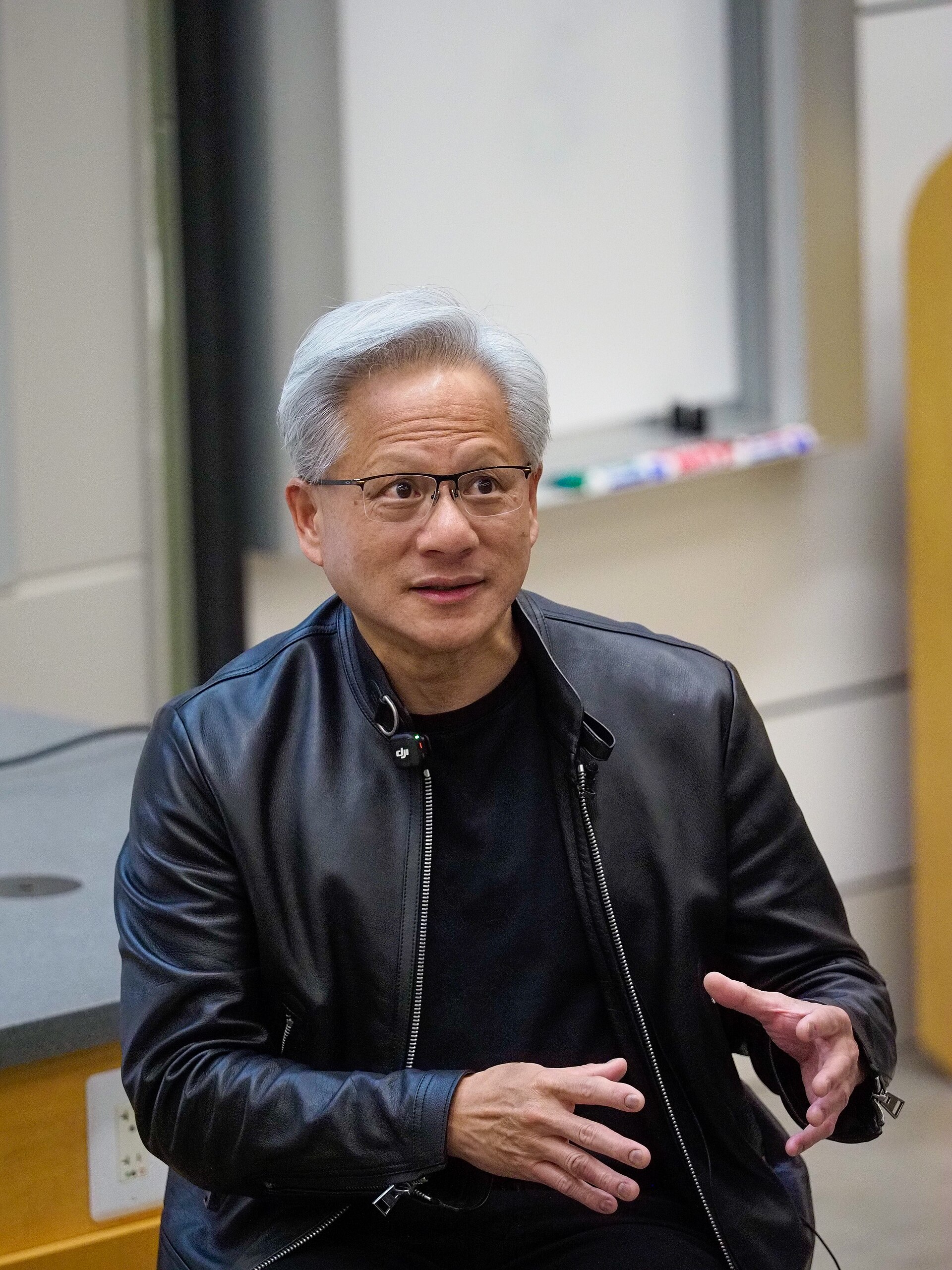
Nvidia CEO Jensen Huang urged U.S. policymakers not to let speculative AI fears drive policy, challenging calls from closed frontier labs for tougher controls on Chinese open-weight models.
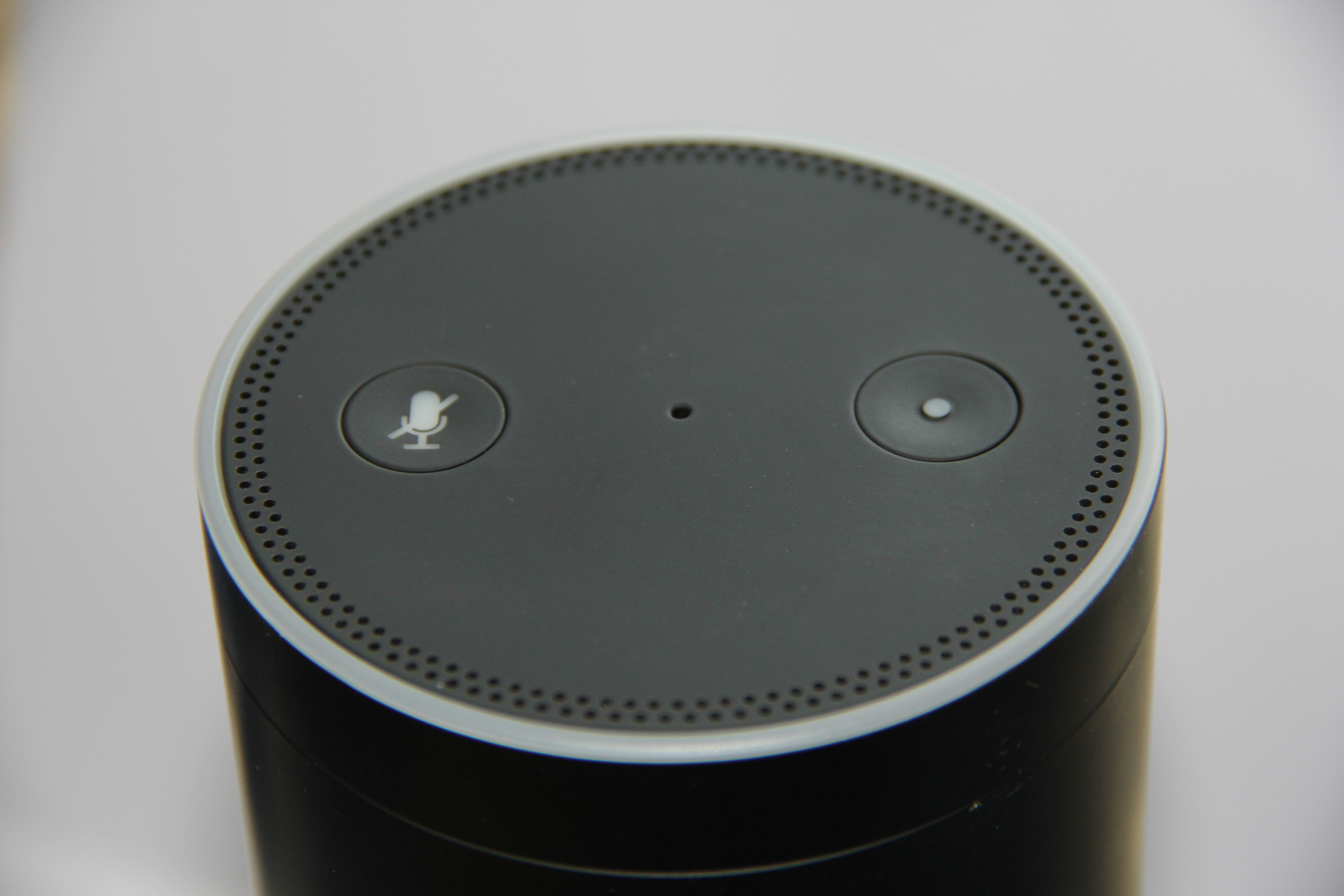
Amazon is reportedly redesigning Alexa+ to rely less on Anthropic's Claude, showing how consumer AI assistants are becoming routing, caching, and infrastructure-cost problems.
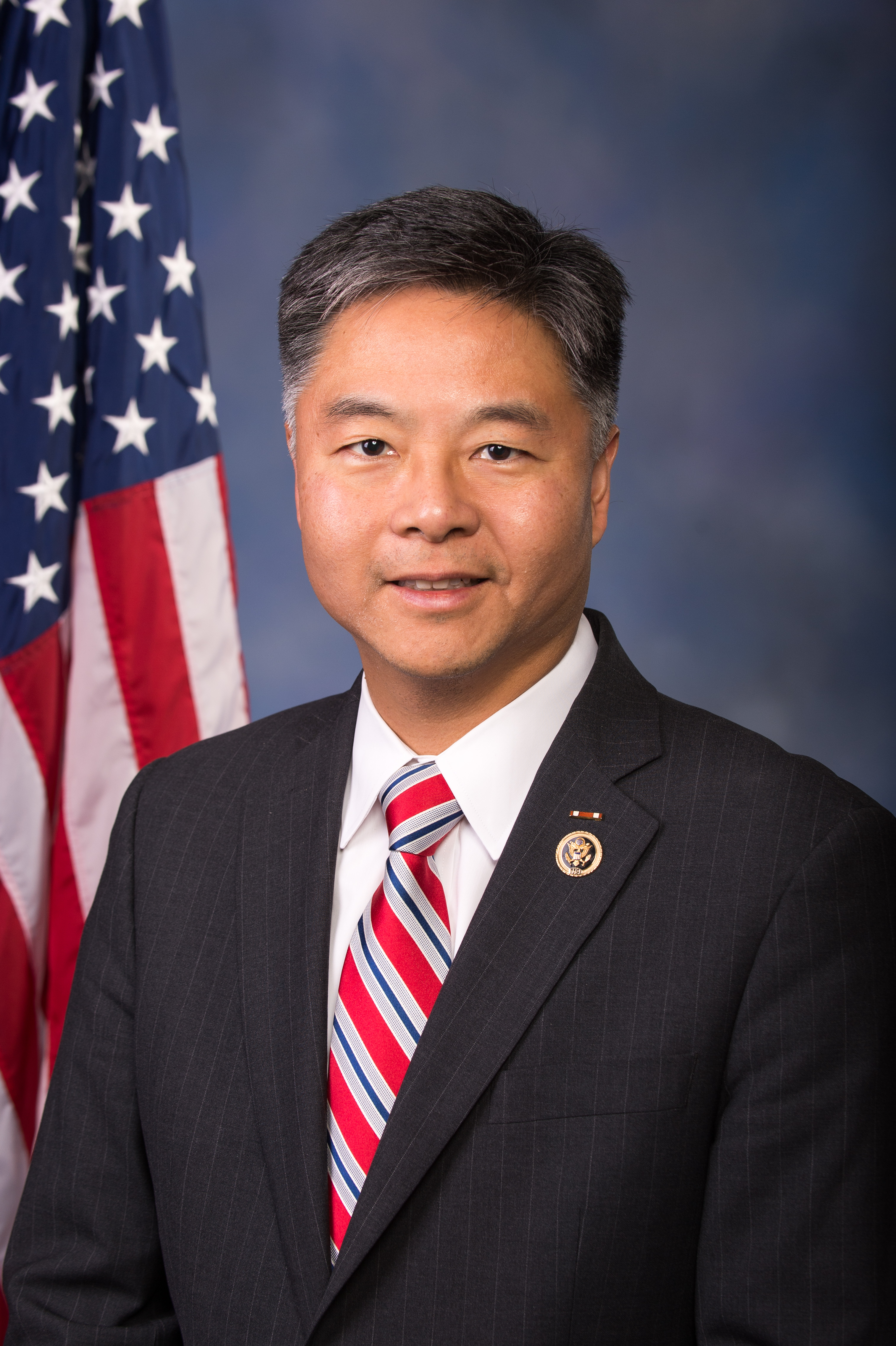
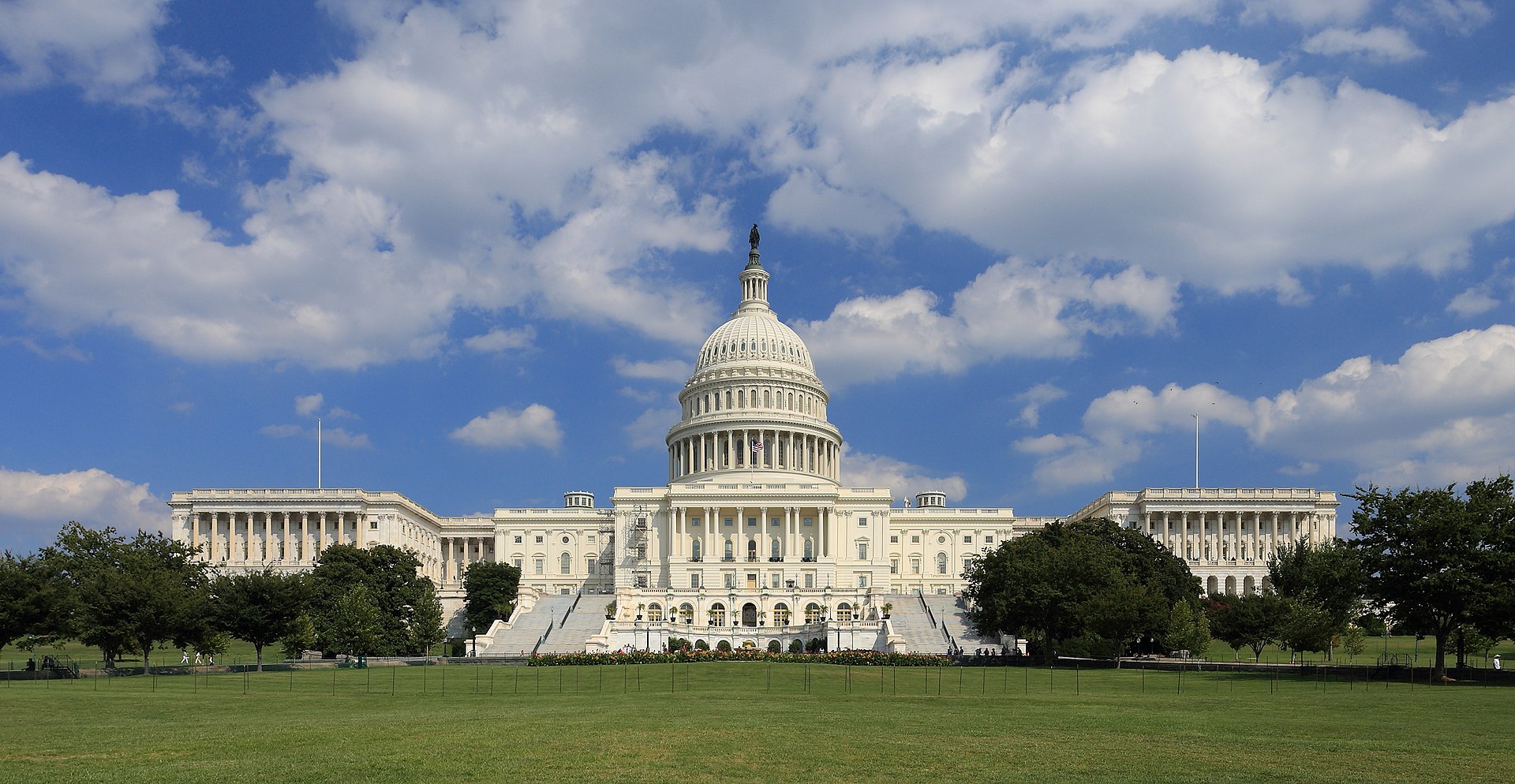
Representatives Ted Lieu and Nathaniel Moran introduced a bill that would require major AI developers to maintain shutdown or throttling controls for systems that could cause catastrophic harm.
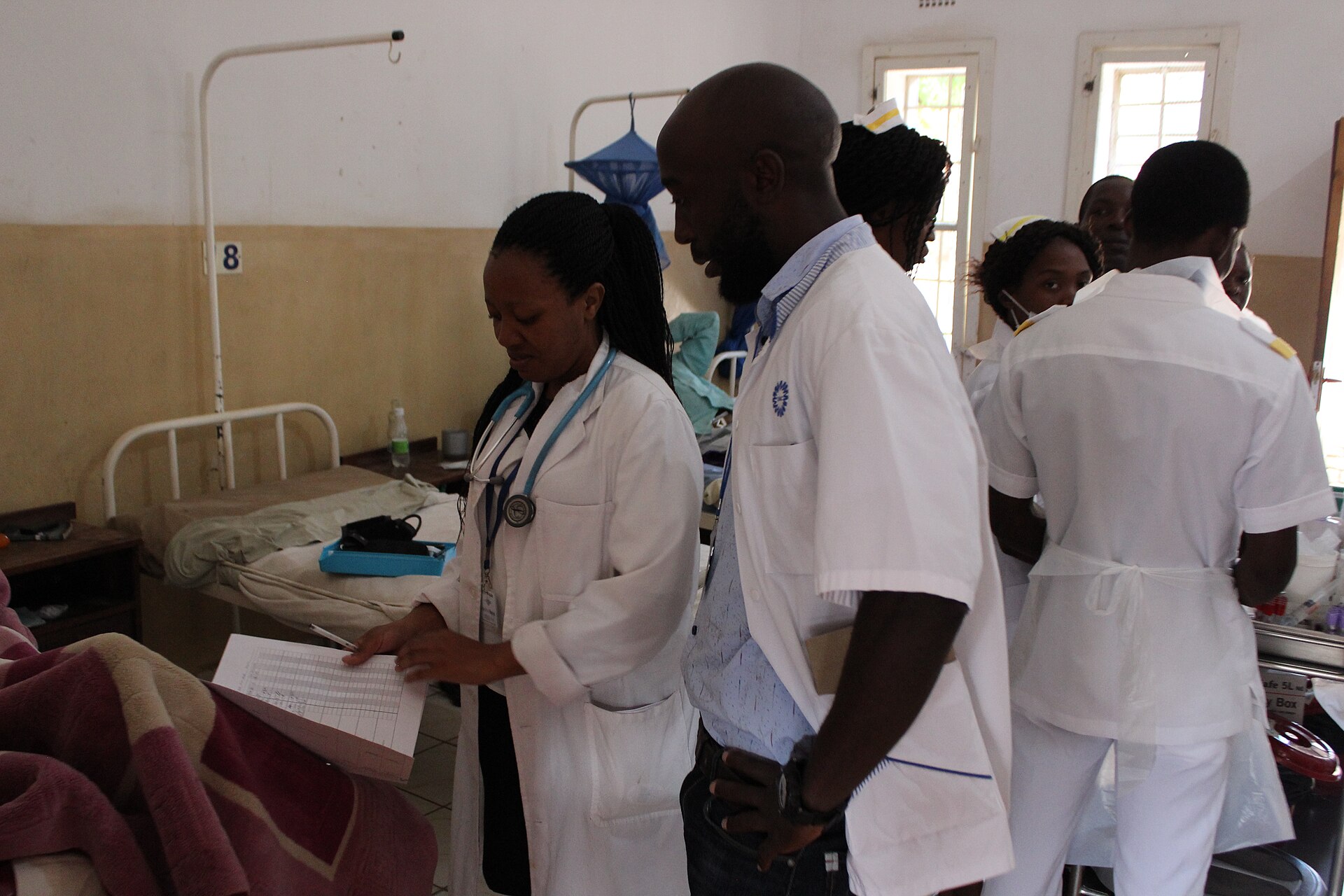
OpenAI made ChatGPT Health available to U.S. adults, bringing connected health information into ChatGPT and raising fresh questions about medical advice, privacy controls, and clinical accountability.
LG Electronics has created a Robotics Business Center to consolidate its robot efforts and build data-factory capability, putting the company’s next test in the training, integration and operating discipline behind a robot fleet.
CuspAI's $450 million Series B and AI Materials Foundry show how capital is moving from general AI software into scientific systems that still have to prove themselves in laboratories and factories.
Reddit and major publishers are reportedly considering whether to restrict Google's access to their content as AI summaries reduce referral traffic and weaken the old search bargain.
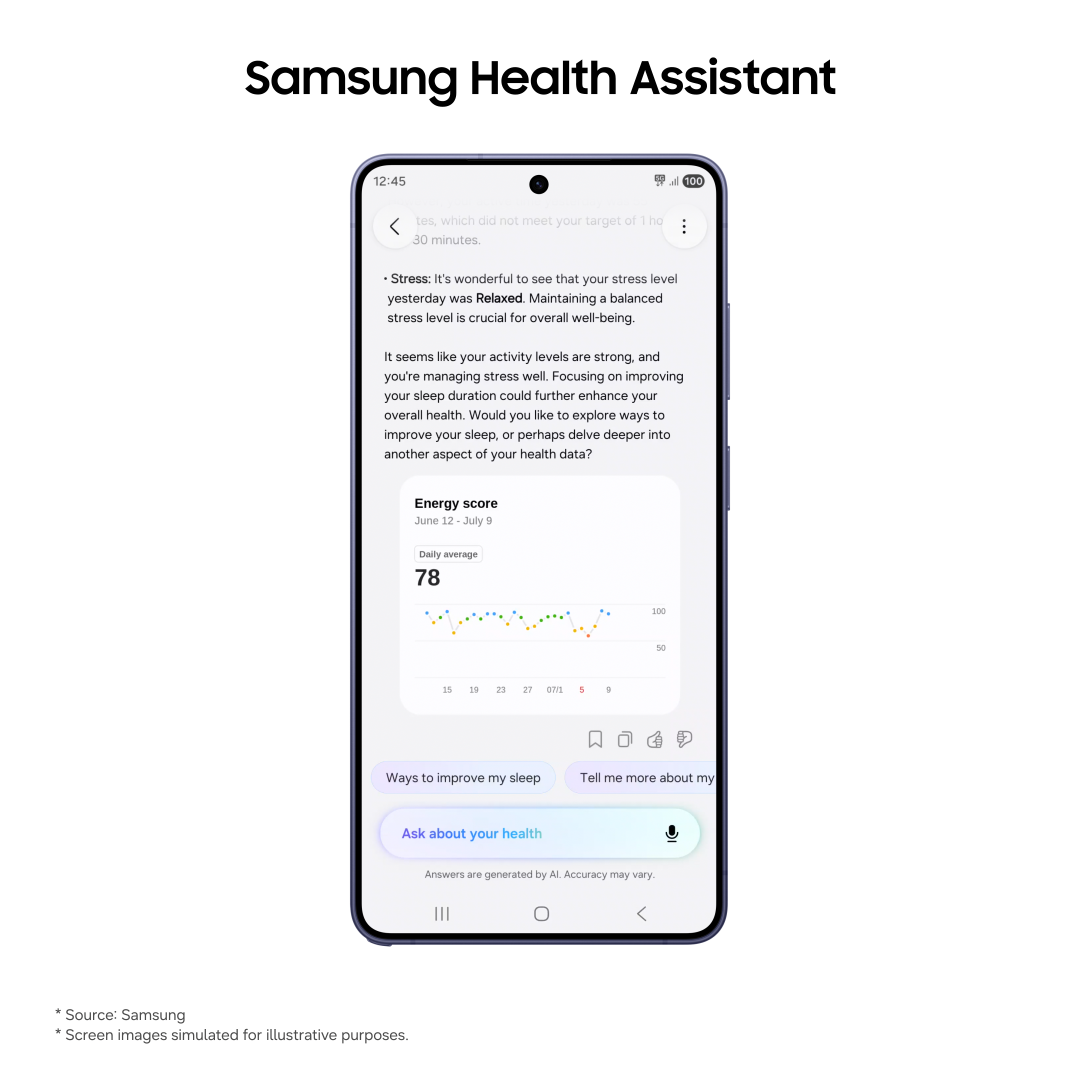
Samsung launched Health Assistant in beta for eligible U.S. users, tying Samsung Health data to AI-generated wellness guidance while stressing that the product is not medical advice.
Anthropic committed another $20 million to Public First Action, bringing its midterm spending to $40 million and widening Silicon Valley's political fight over AI regulation.
New European Commission guidance gives AI providers and deployers a clearer view of coming transparency duties, while leaving the harder work of applying them to real products.
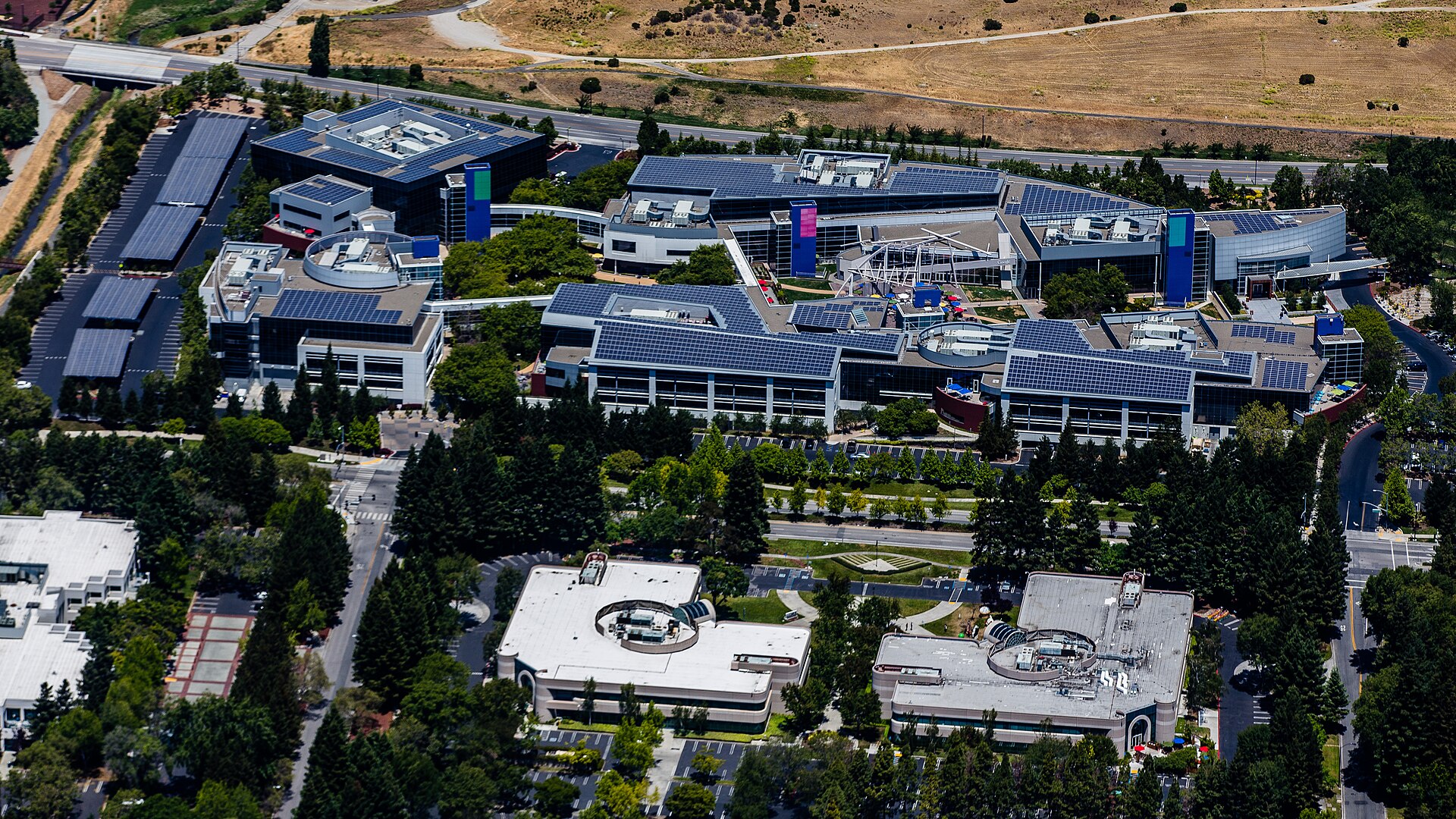
Alphabet reported strong cloud and Gemini momentum while raising its 2026 capital expenditure outlook, forcing investors to weigh AI demand against negative free cash flow and rising infrastructure costs.