Browse independent reporting and analysis across AI models, research, technology, robotics, security, policy, ethics and the business of artificial intelligence.
India is considering a graded AI law that would place lighter rules on low-risk tools and stricter oversight on systems used in finance, healthcare, infrastructure, and other high-impact sectors.
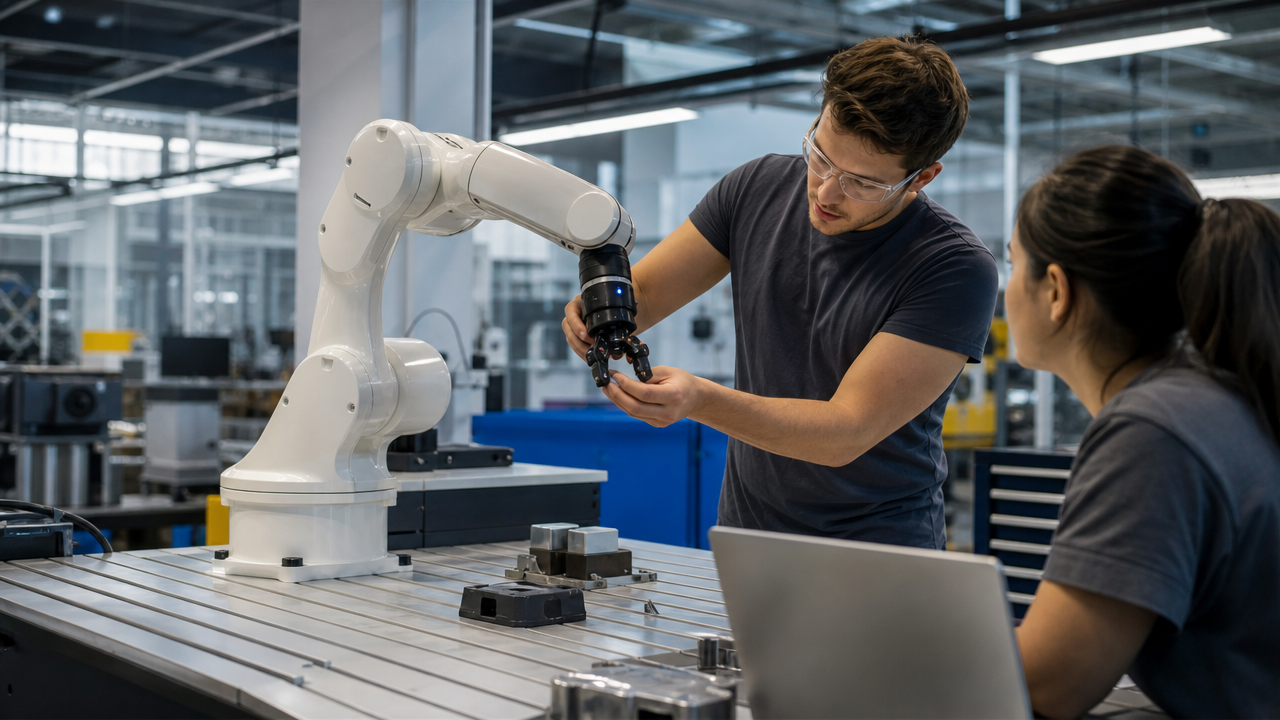
Physical AI startup Mowito has raised $3 million to build factory robots that learn from demonstration instead of traditional coding. The round points to a practical robotics market built around easier deployment, not humanoid spectacle.
South Korea's AI memory boom is spilling beyond markets and into wages, universities, housing, and status. The new semiconductor cycle is becoming a labor-market story as much as a hardware story.
Memory-chip stocks are selling off after a huge AI-driven rally, even as Samsung projects another record quarter. The pullback shows how quickly investors can move from believing the AI hardware story to questioning its valuation.
OpenAI's GPT-5.6 rollout is moving from restricted access to broad public use, putting early claims about Sol Ultra's reasoning, speed, coding, and creative strength in front of ordinary users and enterprise teams.
OpenAI is set to release ChatGPT 5.6 on Thursday after receiving U.S. government approval for a broader rollout. The launch follows a staggered release, additional testing, and meetings with federal officials.
A new wave of AI data centers is being planned in drought-stressed regions, intensifying scrutiny of cooling, local water rights, and infrastructure disclosure. The AI boom is becoming a land-and-water politics story.
Kuaishou's AI video unit Kling has reportedly raised billions ahead of a planned spinoff and possible Hong Kong listing. The round shows that generative video is becoming infrastructure for advertising, entertainment, and social media production.
OpenAI's teased Codex Micro is not the Jony Ive consumer device many expected. It is a small developer input device, and that modest form factor may reveal where AI hardware can become useful first.
The UN's AI for Good Global Commission and Geneva governance meetings show a push to build international AI institutions before private labs and national governments harden the rules on their own.
Australia's technology minister says advanced AI systems are already showing deceptive behavior in tests. The country's response points to a regulatory model built around existing laws, safety institutes, and evidence from model evaluations.
A new AI Safety Index says major labs are retreating from earlier pause commitments while frontier systems become more capable. The finding turns voluntary safety into the governance fight of the summer.
If Meta sells or shares excess AI compute, it would show how quickly frontier infrastructure can turn from internal advantage into a market product. The move would also reveal how much capacity the AI giants are really building.
Europe's AI debate is shifting from regulation alone toward access, compute, defense integration, and dependence on U.S. model providers. NATO adds a security layer to the sovereignty question.
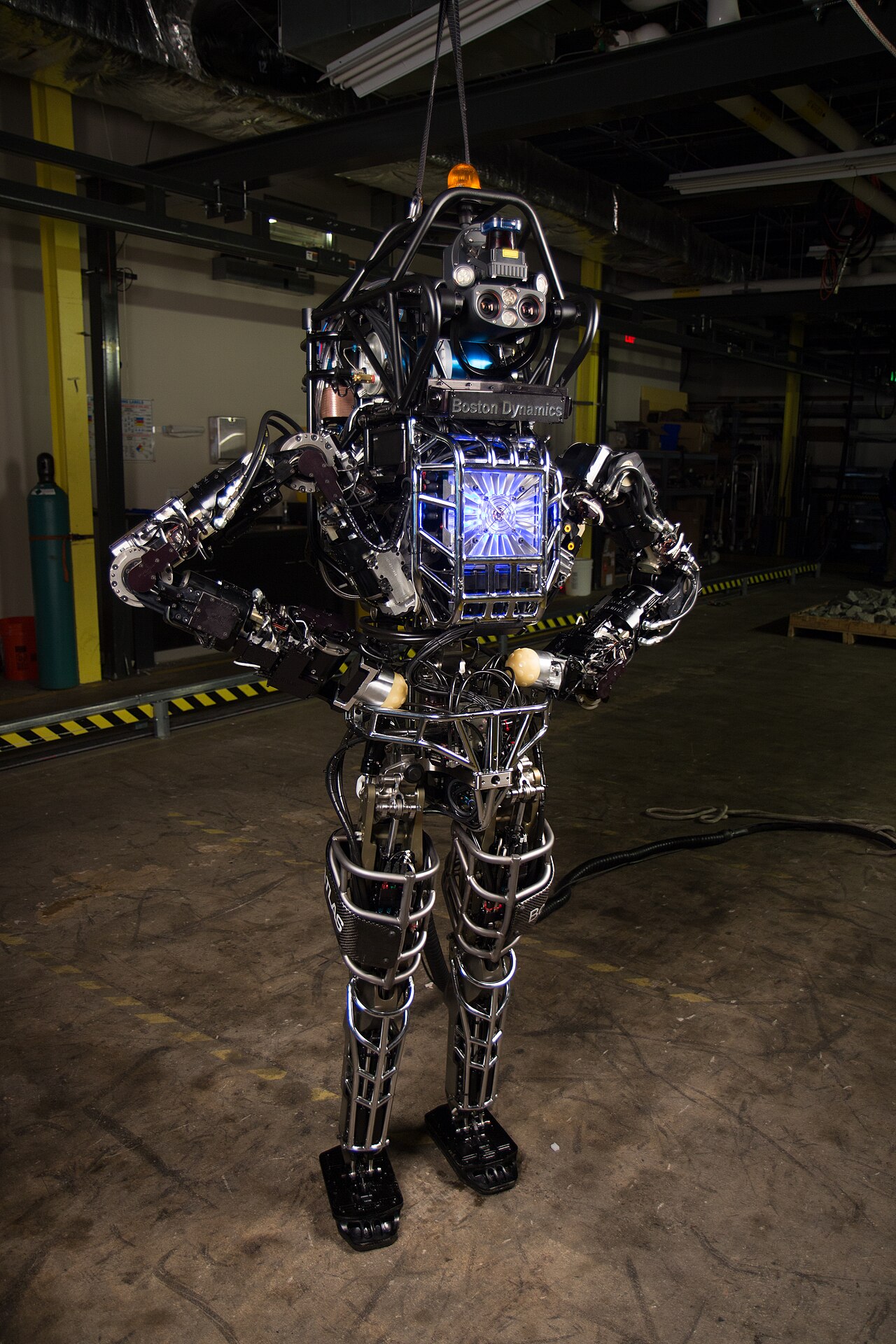
A humanoid robot appearance at a global sports event would not prove autonomy, but it would show how robotics companies are using spectacle to normalize embodied AI in public life.
The AI infrastructure boom is raising new questions about water use, cooling systems, and local accountability. As data centers expand, water transparency may become as important as power procurement.
The emergence of AI-assisted ransomware operations shows why cybersecurity teams must prepare for attackers that can plan, adapt, and automate more of the intrusion chain.
OpenAI, Anthropic, and other frontier AI companies may eventually face public-market pressure, but the hardest question is not revenue growth. It is whether compute-heavy model businesses can produce durable margins.
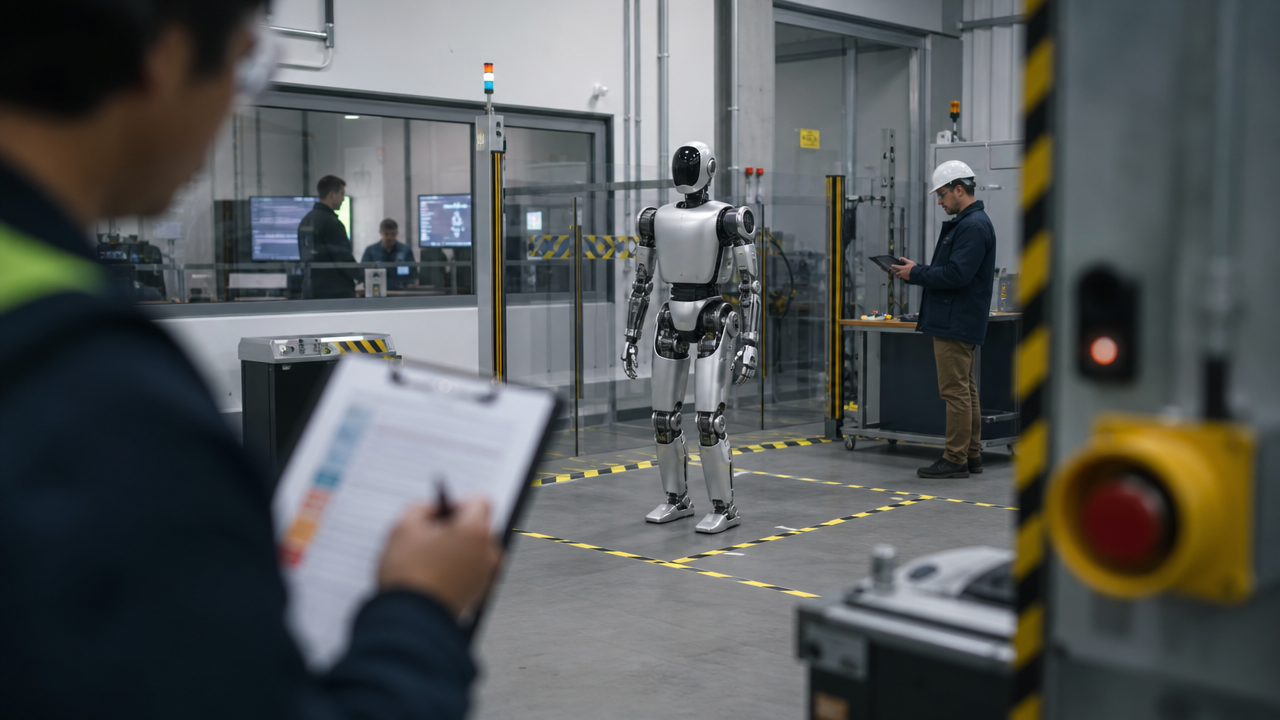
Humanoid robots are moving toward pilots, but deployment still depends on safety cases, teleoperation rules, insurance, testing, and accountability. The next robotics breakthrough may be governance.
New research on banking and generative AI points to a productivity paradox: AI can improve performance, but integration costs, model risk, and systemic similarity can offset early gains.
China's AI competition is shifting from model releases toward model-chip optimization. DeepSeek-style open models can become a demand engine for domestic accelerators if the software stack improves.
Chinese open models are attractive because they can cut inference costs and reduce vendor dependence. But enterprise adoption also creates new questions about provenance, security, compliance, and geopolitical exposure.
The AI trade is spreading into Asian suppliers of memory, circuit-board materials, components, and data-center hardware. That creates opportunity, but also a sharper need to separate orders from narrative.
The AI boom is pushing South Korea's memory and packaging industries into the center of regional compute strategy. HBM is no longer a component story; it is an infrastructure story.