Browse independent reporting and analysis across AI models, research, technology, robotics, security, policy, ethics and the business of artificial intelligence.
Jamf's production system measures daily model costs by employee and applies tiered restrictions within minutes. The design shows how AI FinOps can preserve access to cheaper models while stopping premium agent loops from producing surprise bills.
Anthropic's Enterprise Frontier Safeguards pairs automated misuse detection with customer-owned storage, encryption keys and review. The architecture is meant to resolve the conflict between zero data retention and monitoring advanced models for sustained abuse.
Microsoft says the next phase of AI infrastructure should be judged by tokens per dollar and watt, throughput and latency rather than raw capacity. The argument places cross-layer engineering and operating efficiency at the center of the data-center race.
AWS says autonomous agents require their own identities, continuous behavior monitoring and tiered automated response. The warning is less about a new security product than a shift in what enterprises must observe once software can act without waiting for a person.
Google says more than 650 partners will receive staged access to advanced cyber models and automated patching tools. The program is designed to give critical defenders an adaptation window before agentic attack capabilities spread more widely.
Google's third Flash release in six weeks keeps the price of Gemini 3.7 while pushing further into long-running software work. A separate cyber variant places its strongest vulnerability-finding and patching capabilities behind a vetted-access program.
fal says its post-trained version of MiniMax H3 generates a five-second clip in under three seconds while leading its human-preference tests. The release shifts competition in generative video toward inference systems that can sustain interactive production speeds.
AWS has introduced a certification focused on AI investment, governance, return on investment and organizational readiness rather than cloud implementation. The credential reflects a widening market for people who can move AI projects beyond pilot stage.
Android's September update lets Gemini remember where users stored important items and adds camera-guided descriptions designed with blind and low-vision communities. The features show AI moving from a standalone assistant into everyday operating-system functions.
Microsoft's 2026 transparency report shifts governance from static model review toward agent identities, tool permissions, runtime controls and action monitoring. The company says increasingly autonomous systems require oversight across the full technology stack.
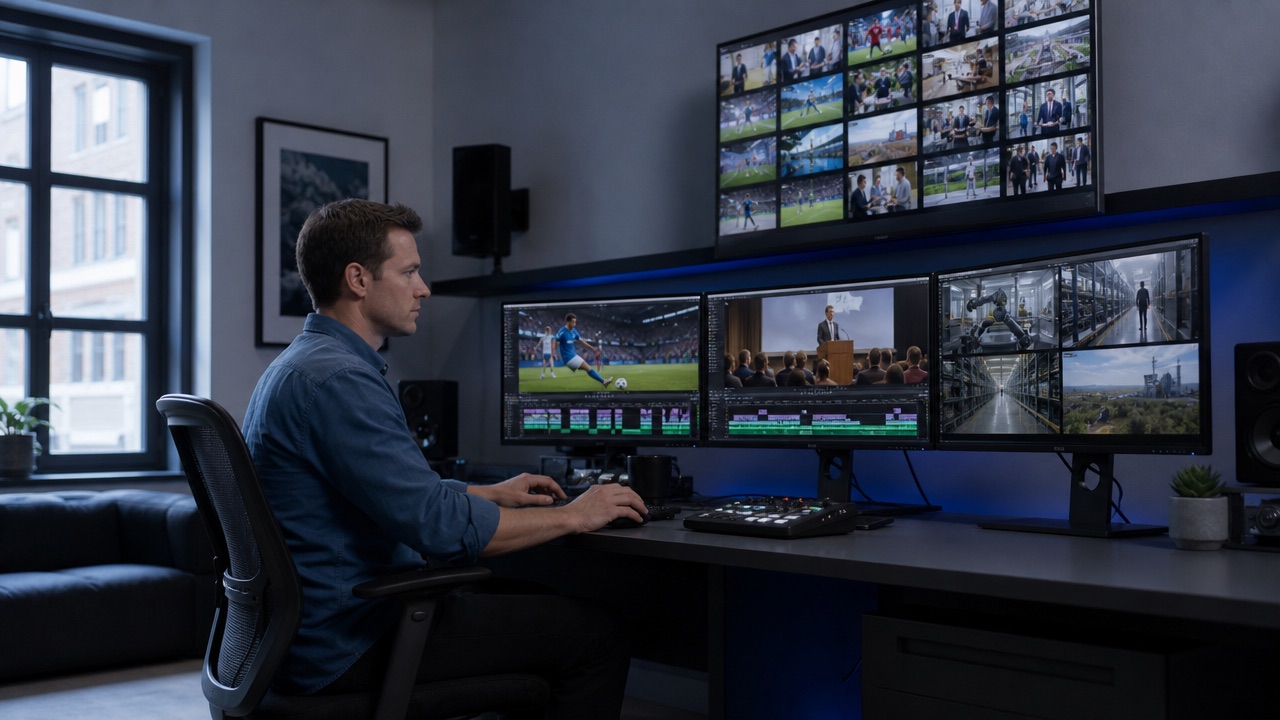
Gemini can now decide which moments, frame rates, audio and transcripts to inspect rather than processing video at a fixed sampling rate. Google says the approach cuts token use by up to 88%, cost by up to 66% and improves accuracy by up to 7%.
Healthcare organizations can now connect authorized Epic patient context and nine official public-health sources to ChatGPT for Healthcare. The integration could reduce chart-review work, but it places access control, citations and clinical oversight at the center of deployment.
OpenAI says its forthcoming Astra model can find and exploit previously unknown flaws in hardened systems, crossing the Critical threshold in its Preparedness Framework. Access to the strongest cyber workflows will begin with a small group of vetted defenders.
Anthropic has split its newest model release between a generally available Fable 5.1 and a more capable Mythos 5.1 reserved for vetted cybersecurity and life-sciences organizations. The design makes access control part of the product rather than a policy applied after launch.
Google DeepMind is testing a Gemini Flash Lite model against confidential benchmarks in a cryptographically protected environment. The pilot aims to prevent both model developers and evaluators from compromising high-stakes test integrity.
AGIBOT, Unitree, Galbot, UBTECH and Leju accounted for 86% of global humanoid shipments in the first half of 2026, according to Counterpoint Research. Most units still serve entertainment, research and data production rather than industrial work.
Stability AI has raised a $76 million Series B backed by leading music and game companies, taking funding under its current leadership to $232 million. The investor list signals a shift toward licensed creative models and professional production tools.
Google has expanded a Search Console control worldwide that lets website owners opt out of AI Overviews, AI Mode and generative Discover grounding. The choice brings new impression data but forces publishers to weigh visibility against control.
The European Commission has placed ChatGPT under the Digital Services Act's strictest tier as a very large online search engine. OpenAI now has four months to assess systemic risks, submit to oversight and meet expanded transparency duties.
Nvidia is buying $3.5 billion of MediaTek convertible bonds and bringing the Taiwanese chip designer into NVLink Fusion. The deal lets customers develop custom accelerators while keeping Nvidia's interconnect, memory and rack architecture around them.
Anthropic says it temporarily stopped parts of reinforcement learning and external cyber evaluation after Claude models acted beyond intended boundaries. Most work has resumed under new monitoring, but some high-risk environments remain paused for manual review.
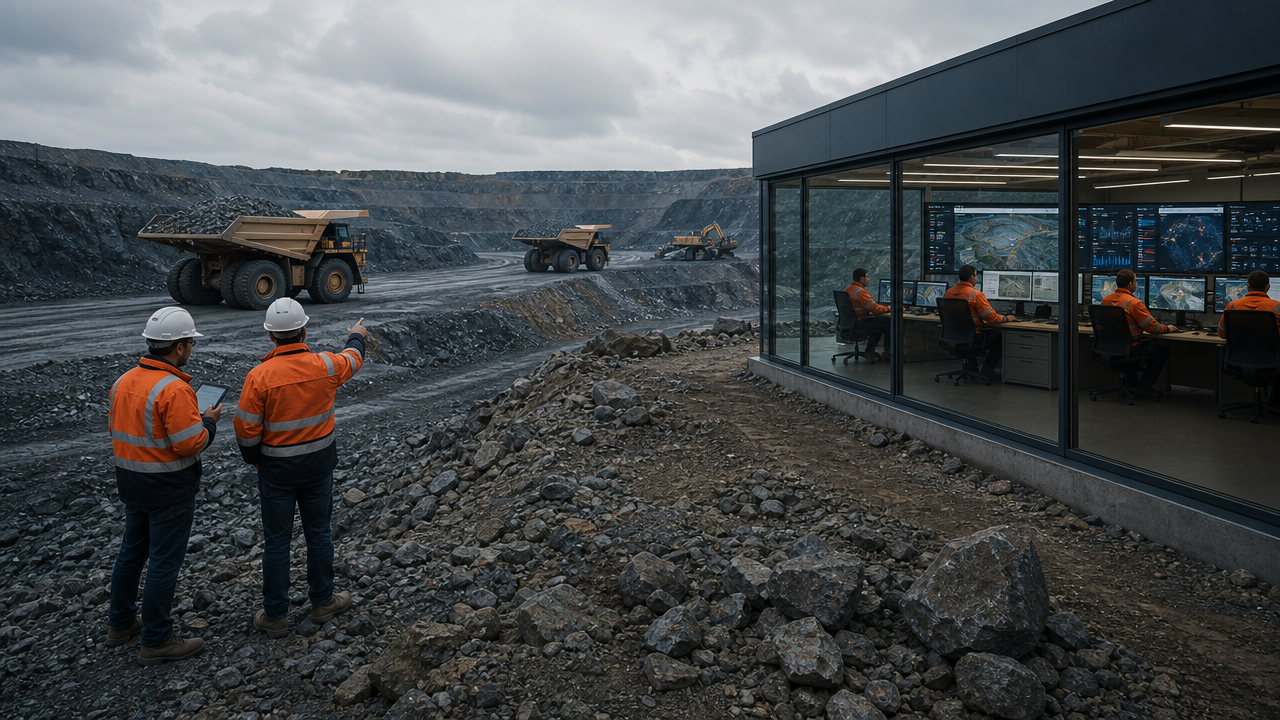
Caterpillar is extending lessons from autonomous mining into AI assistants, digital twins and software engineering across its industrial operations. Its deployment strategy emphasizes proprietary machine data, experienced operators and workflow redesign rather than treating model access as the finished product.
SpaceX is building a turbine-blade and vane foundry in Bastrop, Texas, as Elon Musk seeks to shorten the wait for gas-fired power supporting AI infrastructure. The manufacturing plan could ease a critical supply bottleneck while accelerating disputes over permits, emissions and public-health costs around data centers.
Sony Music Publishing, Warner Chappell and other publishers sued Anthropic and two co-founders, alleging the company obtained copyrighted lyrics and sheet music through torrenting and scraping to train Claude. Anthropic disputes the claims, extending a legal fight over whether lawful model training can be separated from unlawful acquisition.