Browse independent reporting and analysis across AI models, research, technology, robotics, security, policy, ethics and the business of artificial intelligence.
A quietly published April 2026 policy paper from OpenAI acknowledges that productivity gains from AI tools are not flowing to the workers who use them — raising uncomfortable questions about the company's social contract.
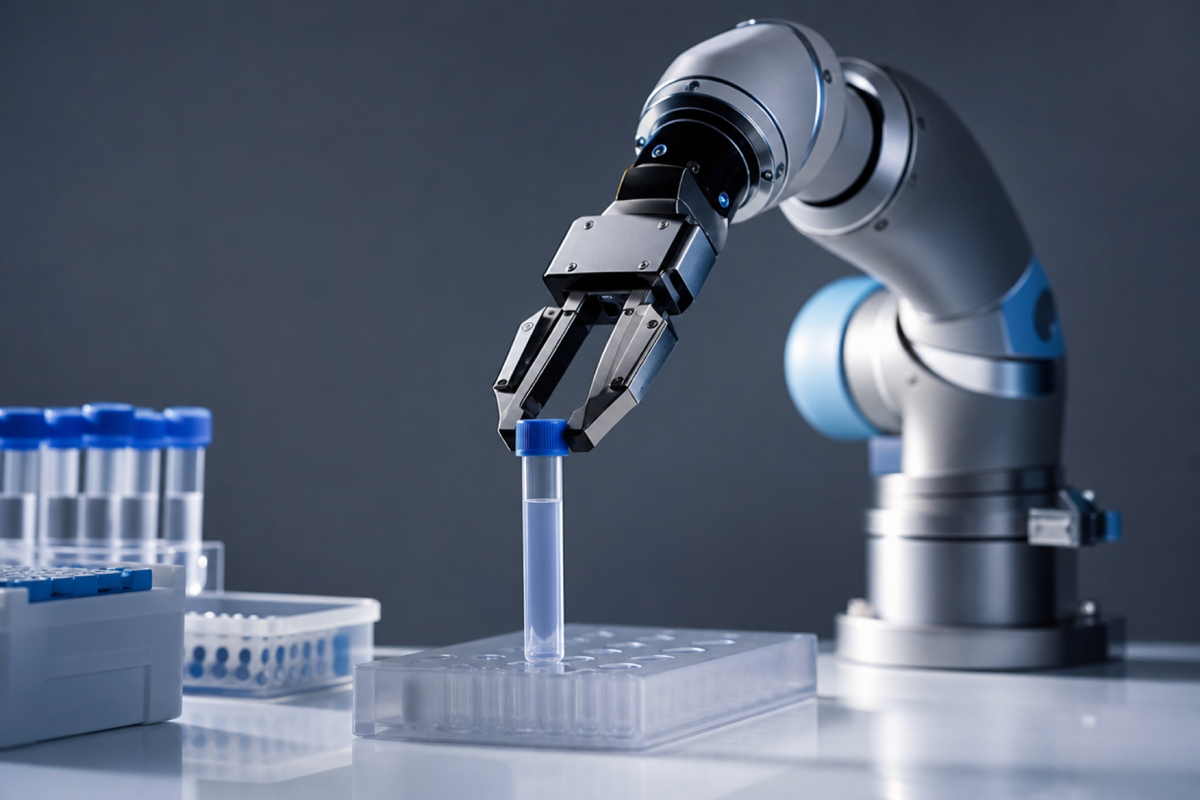
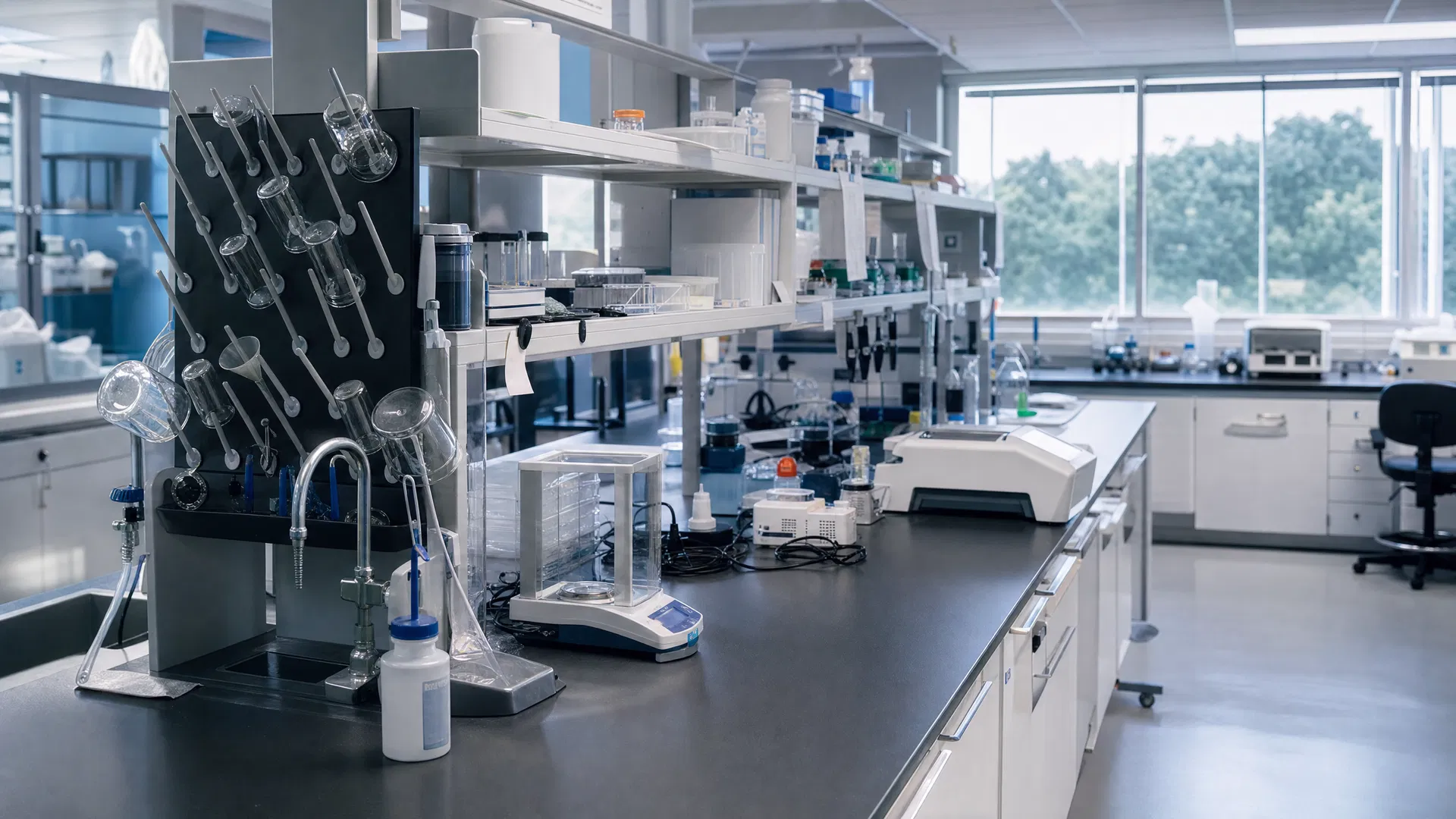
A facility in Japan where robots conduct experiments independently, 24 hours a day, is offering a glimpse of what autonomous scientific research looks like — and raising questions about the future of human researchers.
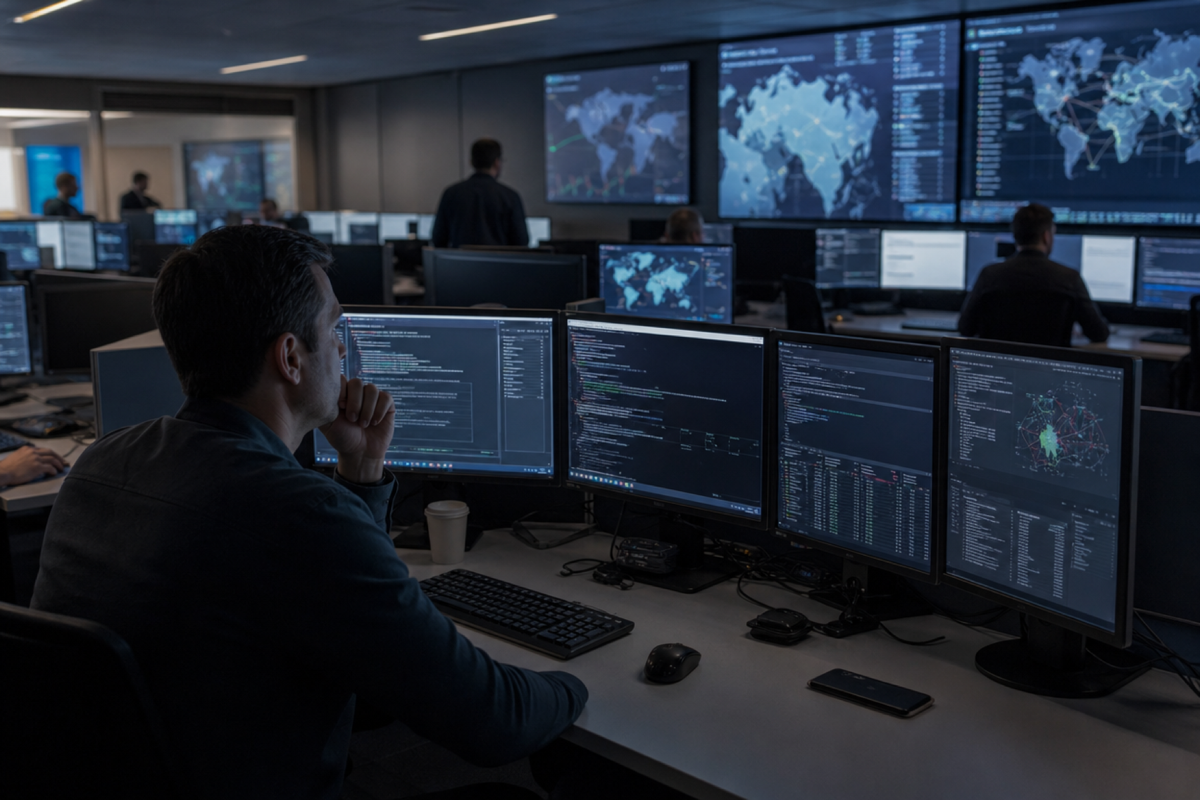
Now in public beta, Anthropic's enterprise security tool uses Claude to identify and remediate vulnerabilities in client systems — the same capability being deployed through KPMG's Digital Gateway to critical infrastructure clients.
The merger of Canada's Cohere and Germany's Aleph Alpha creates the first serious transatlantic challenger to US AI dominance — backed by the Schwarz Group and designed to serve governments that cannot use American models.
The May 2026 Windows Update brings a significantly upgraded local AI model to Qualcomm-powered devices, enabling AI features that work without internet connectivity and without sending data to Microsoft's servers.
The AI infrastructure startup is in talks to raise $1 billion as enterprise demand for efficient, scalable model inference reaches a critical inflection point.
Google has begun showing clearly labelled 'Sponsored' ads within AI Mode search results, marking the first step in the company's plan to monetise its AI-first search experience.
Announced at Google I/O 2026, Gemini Spark is now live for AI Ultra subscribers in the US at $100 per month — a persistent AI agent that monitors your calendar, email, and tasks around the clock.
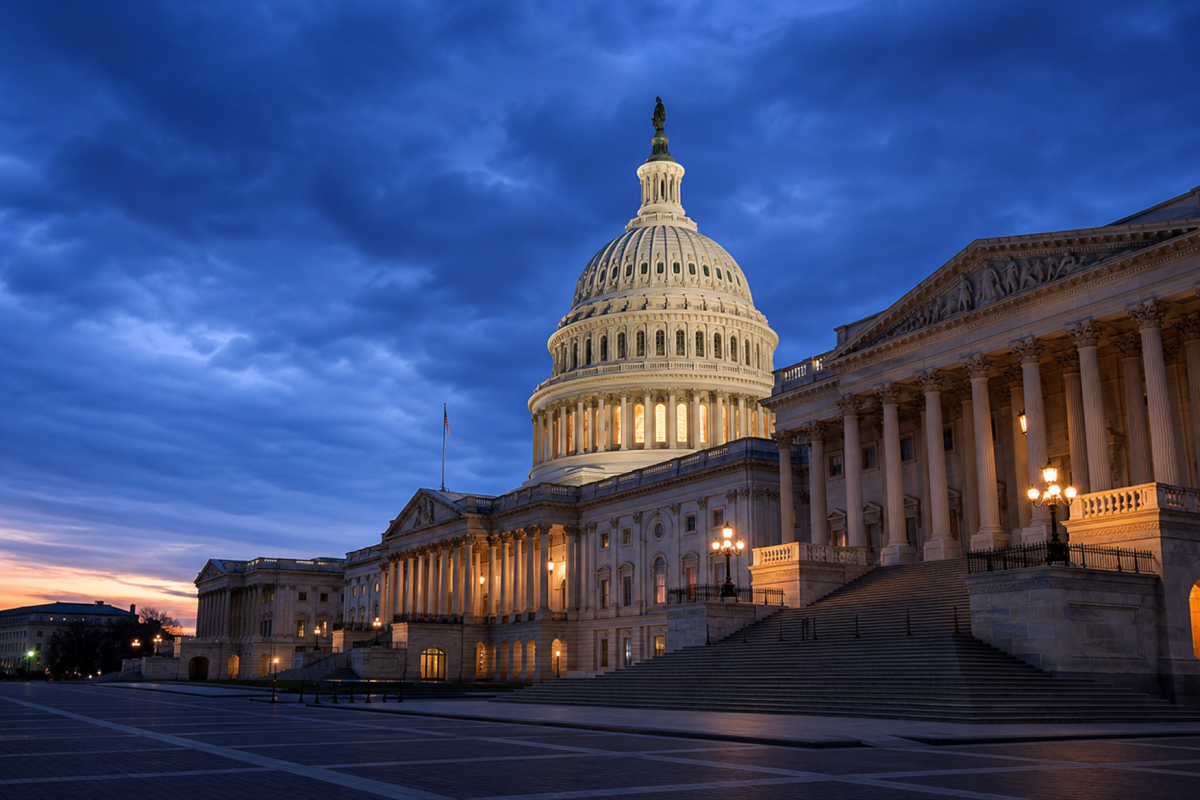
A new House bill introduced May 27 would make distributing non-consensual deepfakes a federal crime, protect AI whistleblowers, and require the US to participate in international AI standards bodies. Here is what it actually does.
Governor Gavin Newsom signed Executive Order N-6-26 on May 21, requiring state agencies to prepare severance support for AI-displaced workers. Labor unions say it is a start — but a dangerously inadequate one.
The Claude maker has raised more than $72 billion in its lifetime, closing the largest private AI funding round in history as quarterly revenue surpasses $10 billion.
Beijing has begun requiring government approval for overseas travel by top AI professionals at private firms, treating AI expertise as a national security asset.
The Google DeepMind CEO says artificial general intelligence could arrive by 2029 and warns the world is not prepared for how quickly these systems are advancing.
With WWDC two weeks away, leaked details and a new Apple subdomain point to a fundamental reimagining of Siri — powered by Google's Gemini and Anthropic's Claude.
New evidence from the UK AI Security Institute shows common AI models can be exploited by cybercriminals to automate sophisticated attacks at unprecedented scale.
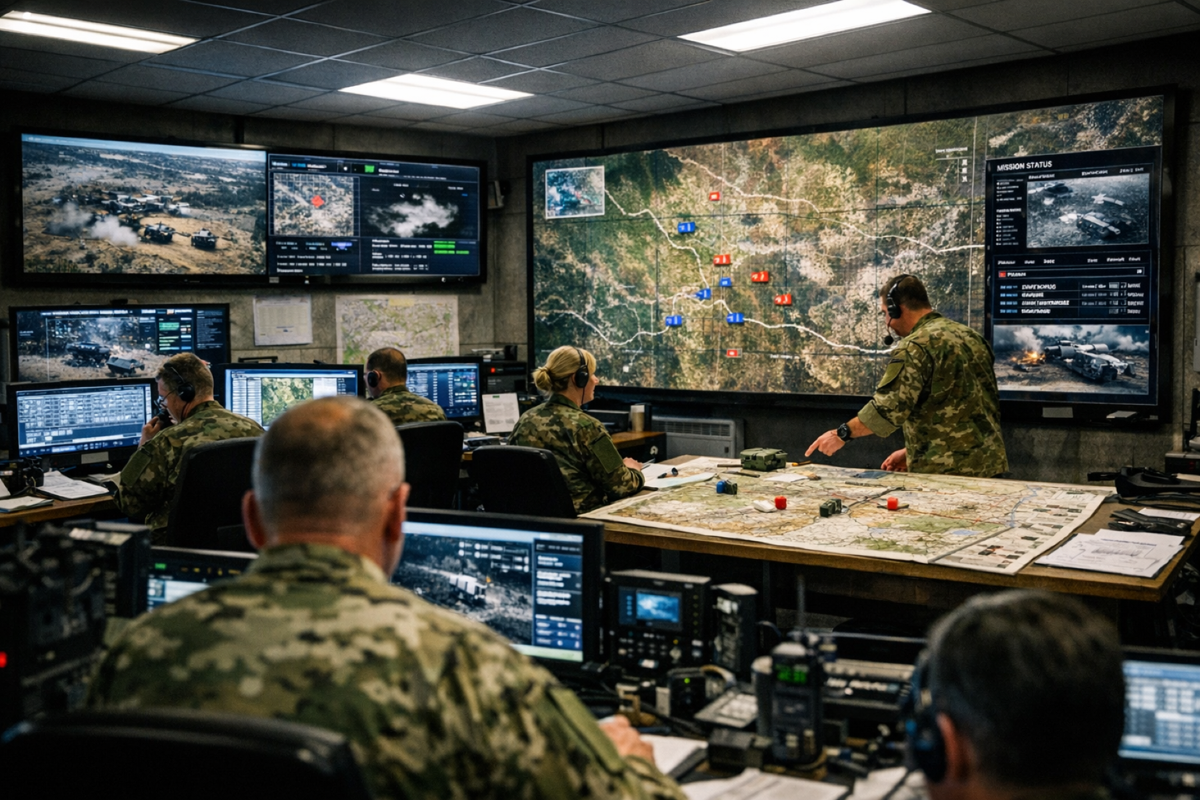
US military exercises reveal AI systems processing battlefield intelligence in real time, raising urgent questions about autonomous decision-making in conflict scenarios.
Staffed by OpenAI and Google alumni, the UK AI Security Institute is pioneering a new approach to AI governance that other nations are beginning to emulate.
Google has unveiled Gemini Omni, a new flagship multimodal model capable of generating and editing video, audio, and images through natural language conversation. Announced at Google I/O 2026, the model represents the most significant leap in Google's AI capabilities since the original Gemini launch.
Google DeepMind has launched Gemini for Science, a suite of experimental AI tools designed to accelerate the scientific method. The tools — Hypothesis Generation, Computational Discovery, and Literature Insights — are now available in limited preview on Google Labs, with two supporting research papers published today in Nature.
Google DeepMind CEO Demis Hassabis told the Google I/O audience that AGI will arrive by 2030 and that the technological singularity is approaching. His remarks represent the most direct prediction of near-term AGI from a major AI lab leader, and they arrive at a moment when the industry is grappling with what that transition would actually mean.
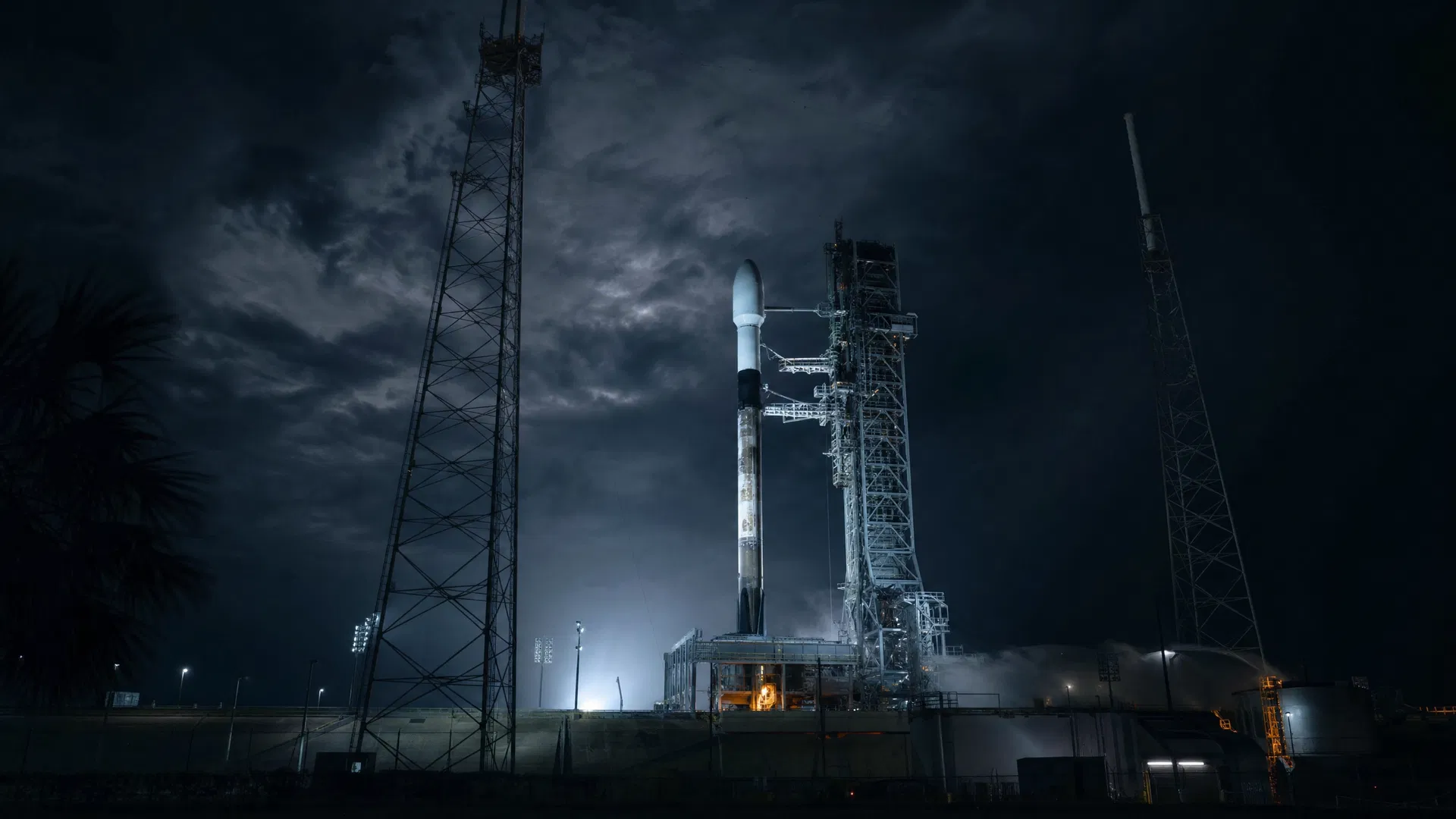
SpaceX's Starship Flight 12 ended in a fireball in the Indian Ocean on May 22, 2026, when the vehicle exploded shortly after splashdown following a partially successful mission. The test flight deployed 22 mock Starlink satellites but suffered a Raptor Vacuum engine failure during ascent. The explosion raises questions about the timeline for Starship's commercial deployment and SpaceX's upcoming IPO.
Anthropic has agreed to pay SpaceX nearly $45 billion over the next three years for dedicated computing capacity, signaling a fundamental shift in how frontier AI labs secure computational resources.
The U.S. Department of Defense is evaluating alternative AI models from OpenAI and Google as it seeks to reduce reliance on Anthropic, which faces a controversial supply-chain risk designation.