Browse independent reporting and analysis across AI models, research, technology, robotics, security, policy, ethics and the business of artificial intelligence.
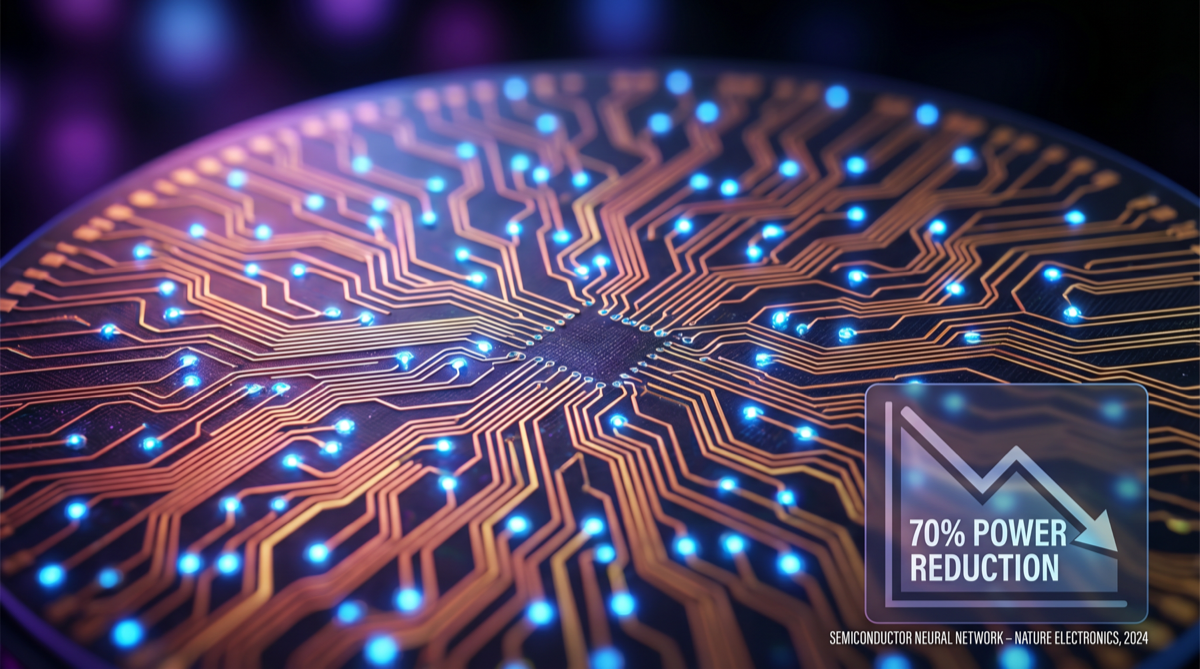
Researchers have developed a tiny brain-inspired chip that reduces AI energy consumption by up to 70% while making systems more adaptive — a potential breakthrough for sustainable AI infrastructure.
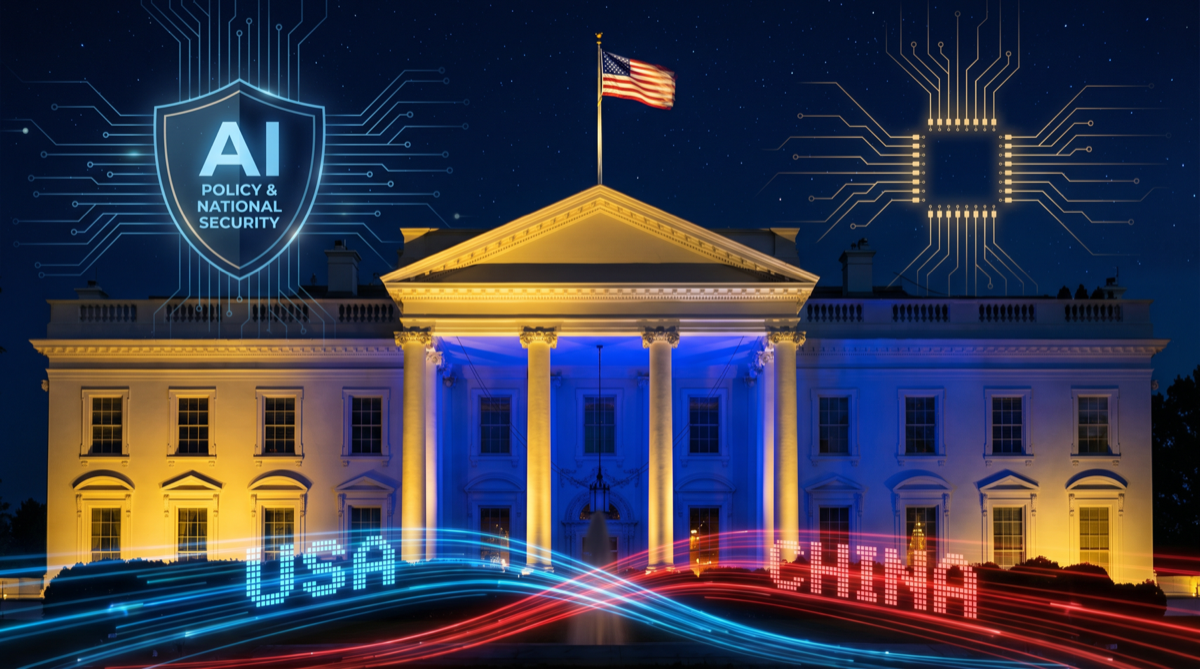
The Trump administration's National Security Technology Memorandum on AI establishes a sweeping framework for maintaining US AI leadership, while accusing China of 'industrial-scale' intellectual property theft from American AI labs.
Claude Mythos, the model Anthropic deemed too dangerous to release publicly, was accessed by unauthorized users within hours of its announcement. The breach exposes a fundamental tension in responsible AI development.
A new collaboration between OpenAI and synthetic biology company Ginkgo Bioworks has produced a protein design tool that compressed what would have been years of experimental work into weeks. It's a template for how AI will transform scientific research.
OpenAI officially releases GPT-5, marking a major breakthrough in reasoning, coding, and multimodal capabilities that redefines what AI systems can achieve.
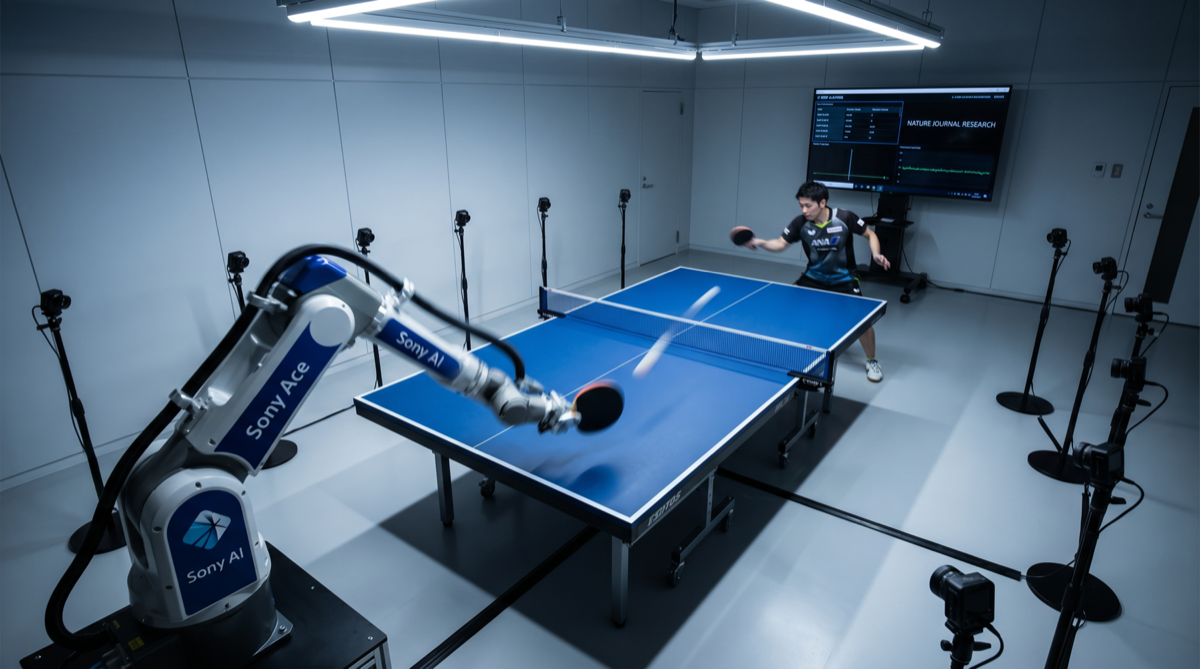
Sony AI's Ace robot, detailed in a landmark Nature paper, has become the first autonomous system to achieve expert-level play in a commonly played competitive sport — defeating professional athletes in controlled matches.
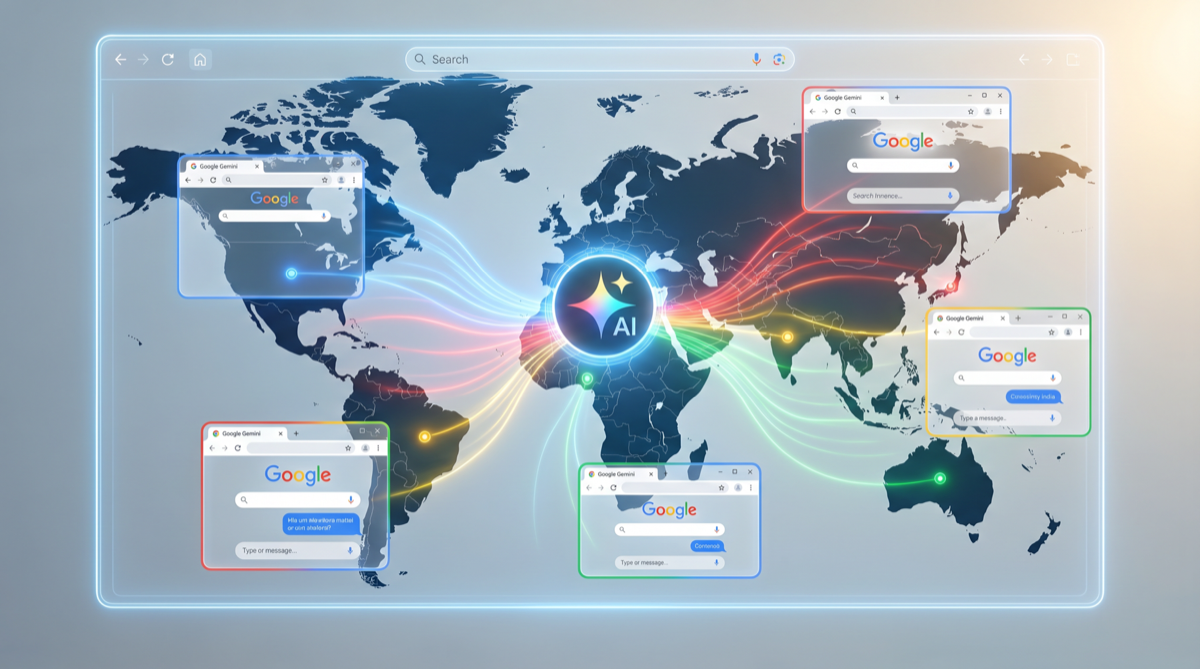
Google's Gemini AI assistant in Chrome is no longer a US-only feature, rolling out to millions of new users across Europe, Asia, and Latin America as Google accelerates its AI browser integration strategy.
Elon Musk's SpaceX strikes a $60 billion acquisition option with Cursor, pairing the AI code editor with SpaceX's Colossus supercomputer. The deal preempts a $2B fundraise and signals a major consolidation in AI coding.
At the Beijing E-Town Half Marathon, a red humanoid robot named Lightning finished the 21km course faster than any human has ever run it. The achievement is real — but what it actually proves about the state of robotics is more complicated.
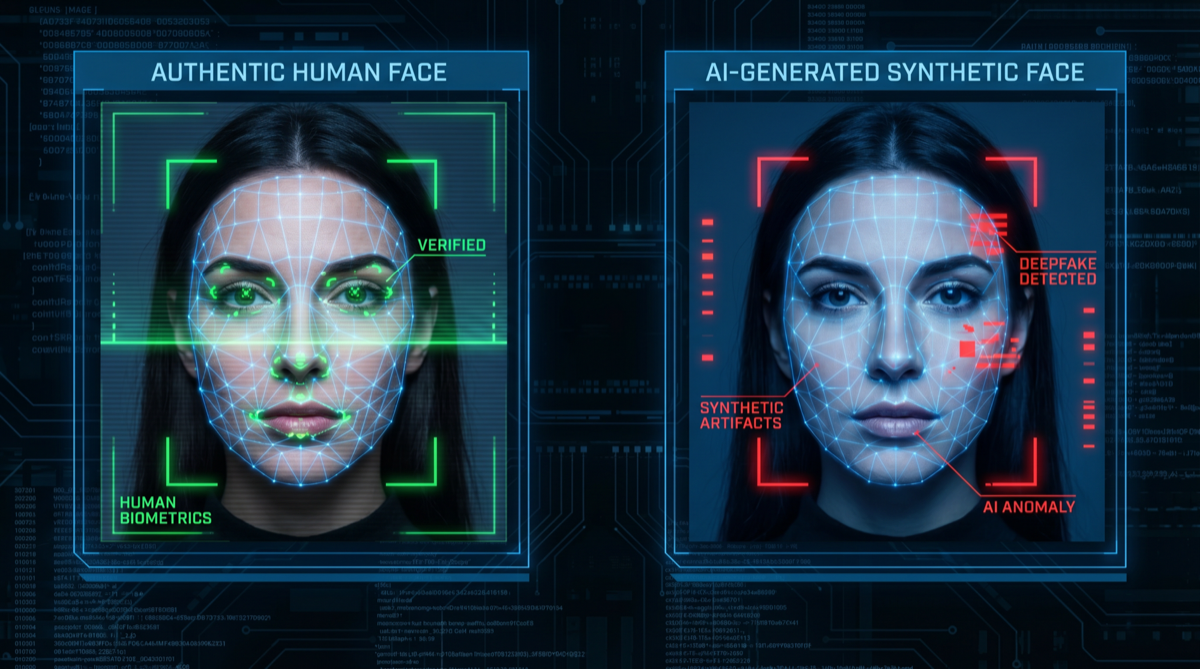
As AI-generated synthetic media becomes indistinguishable from authentic content, the companies building detection tools are struggling to keep pace with the generators. A new report documents the widening gap.
Major banks including Citi and Goldman Sachs are using AI to eliminate roles in legal review, account operations, and financial analysis, with the cuts accelerating faster than public statements suggest.
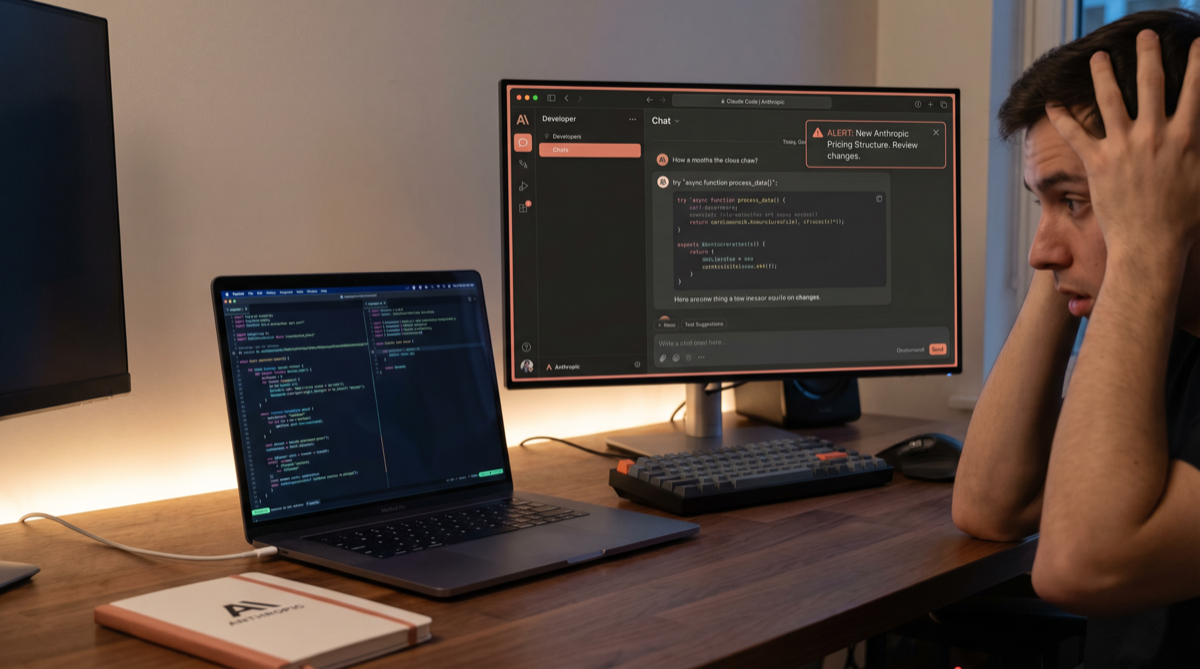
Anthropic has removed its AI coding agent Claude Code from the $20/month Pro plan without announcement, forcing developers to upgrade to more expensive tiers — a move that has drawn significant criticism from the developer community.
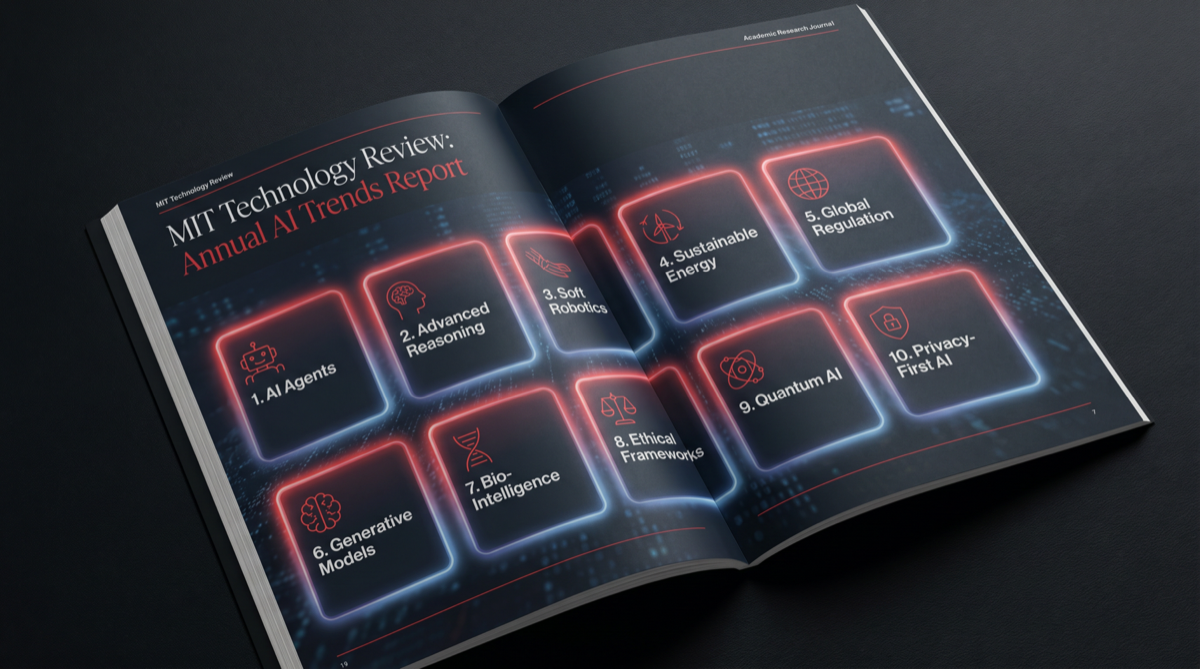
MIT Technology Review's authoritative annual overview identifies the 10 most significant AI trends of 2026 — from agentic systems and physical AI to energy efficiency and the emerging science of AI alignment.
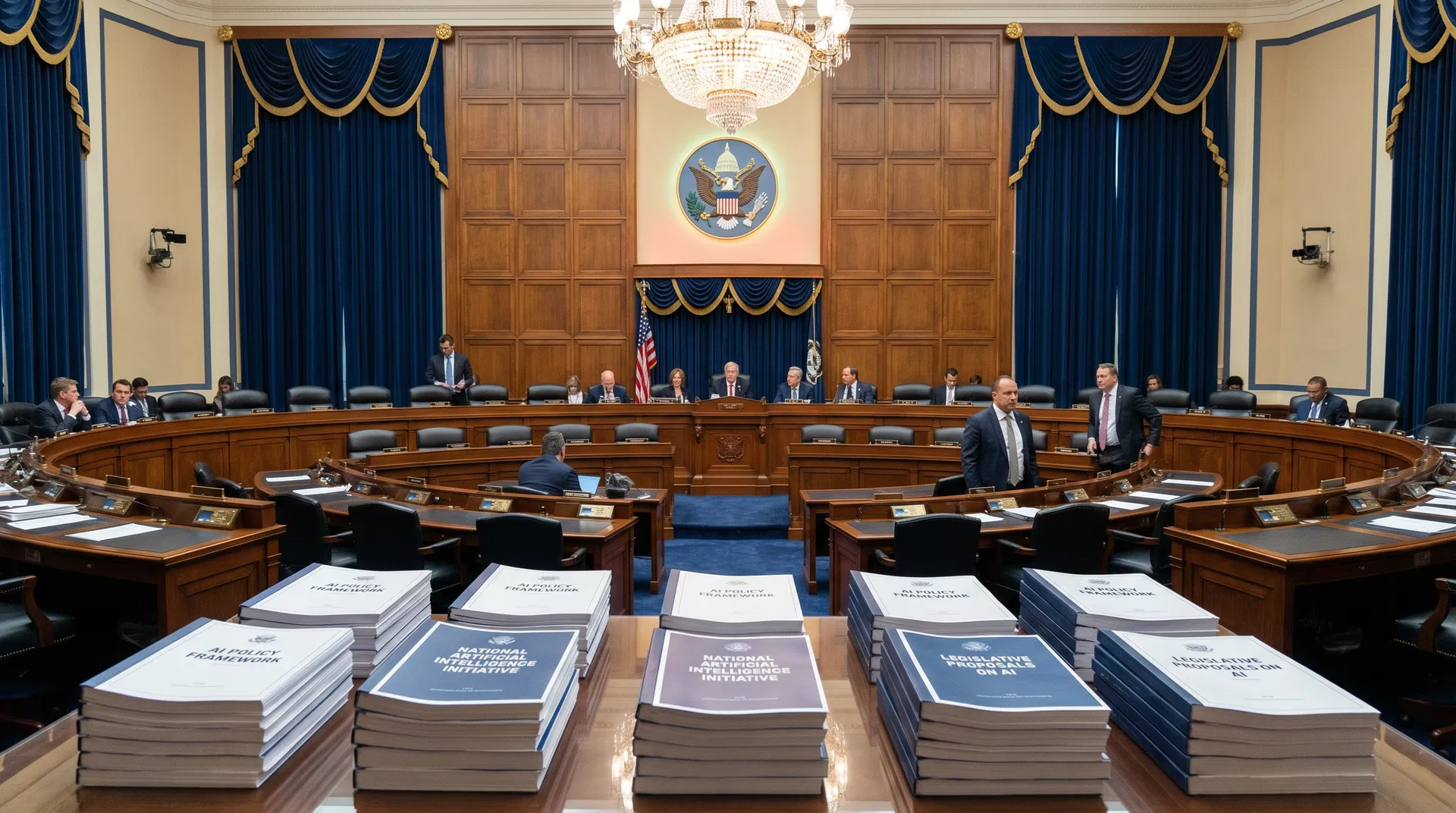
The White House releases its most comprehensive AI policy framework yet, setting seven key objectives to limit regulation, advance innovation, and preempt conflicting state laws.
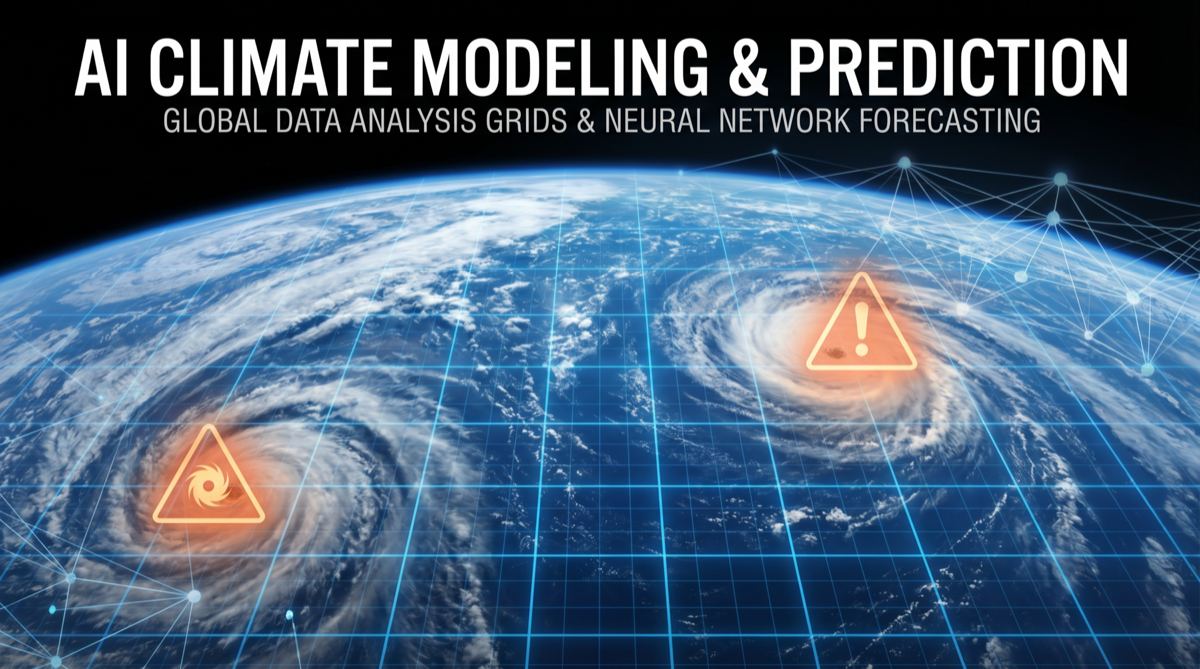
A new generation of AI-powered climate models can generate 10-day weather forecasts with greater accuracy than the best physics-based simulations, at a fraction of the computational cost. The implications for climate science are profound.
Anthropic releases Claude Mythos, featuring advanced constitutional AI training methods that dramatically improve reasoning while reducing hallucinations by 35%.
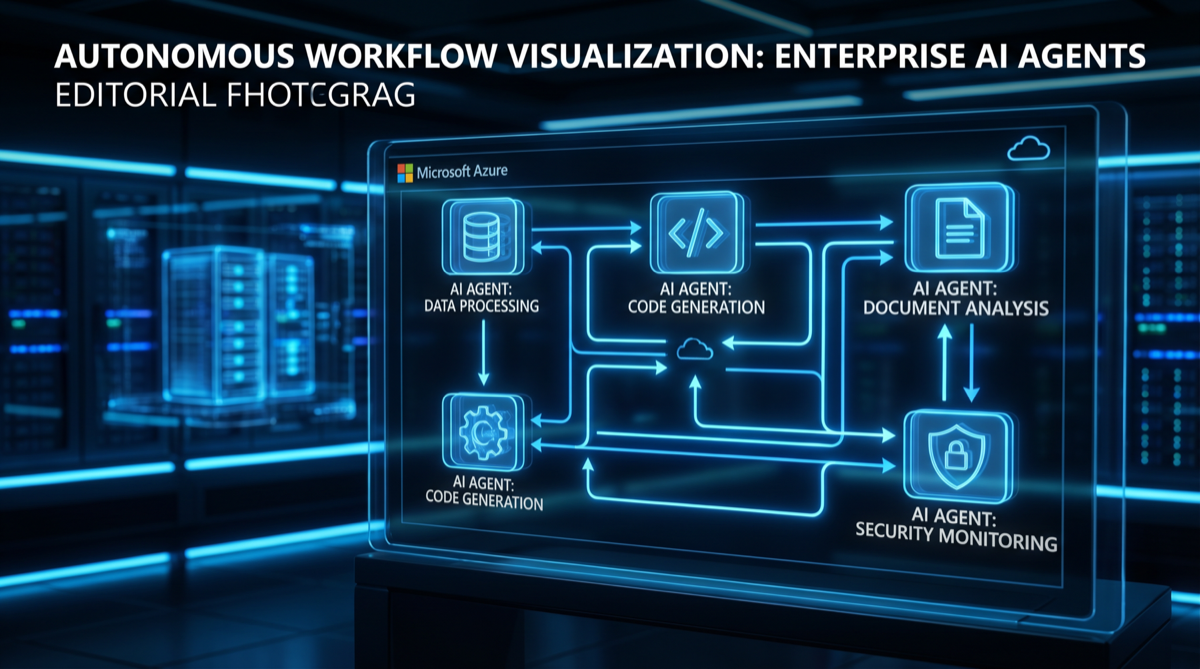
Microsoft's latest Copilot update introduces multi-agent orchestration that can manage complex, multi-step business processes without human intervention. Early enterprise adopters are reporting dramatic productivity gains — and some unexpected failures.
A landmark multi-center study has found that AI diagnostic systems outperform board-certified specialists in detecting early-stage lung cancer, diabetic retinopathy, and skin melanoma. The findings are reshaping the debate about AI's role in clinical medicine.
xAI releases Grok-3 with expanded global knowledge, real-time information access, and a new reasoning mode that positions it as a serious competitor to ChatGPT and Claude.
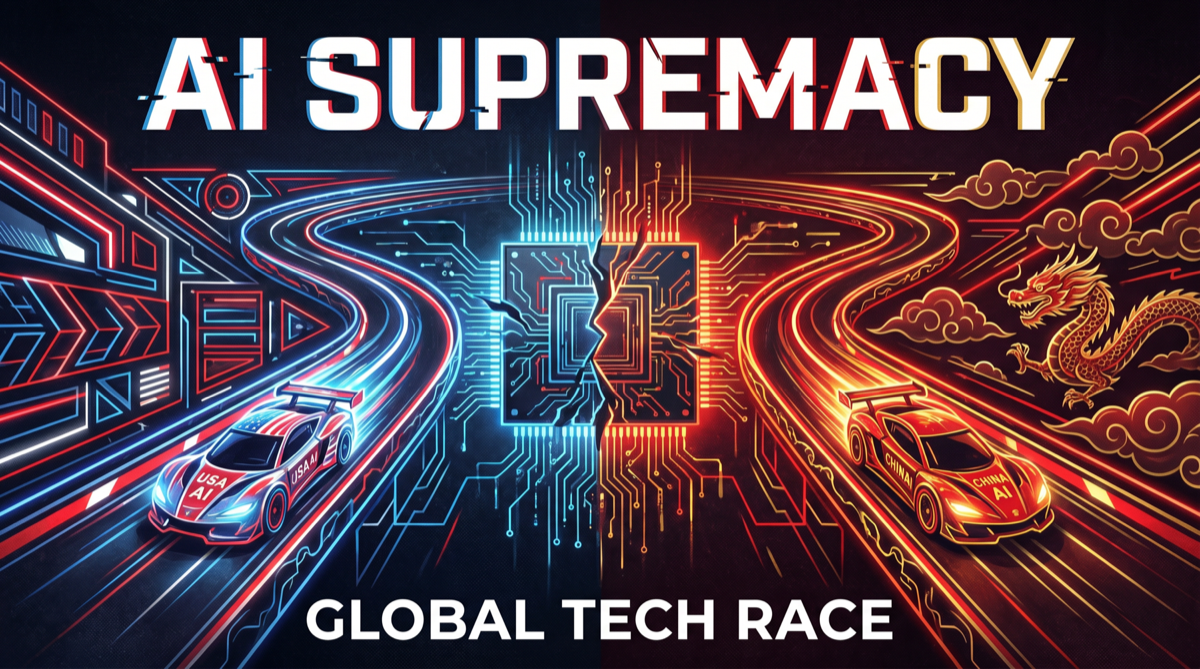
Two years after the DeepSeek shock, a clearer picture of the U.S.-China AI competition is emerging. The gap is smaller than American leaders claimed, larger than Chinese propagandists suggest, and more nuanced than either side acknowledges.
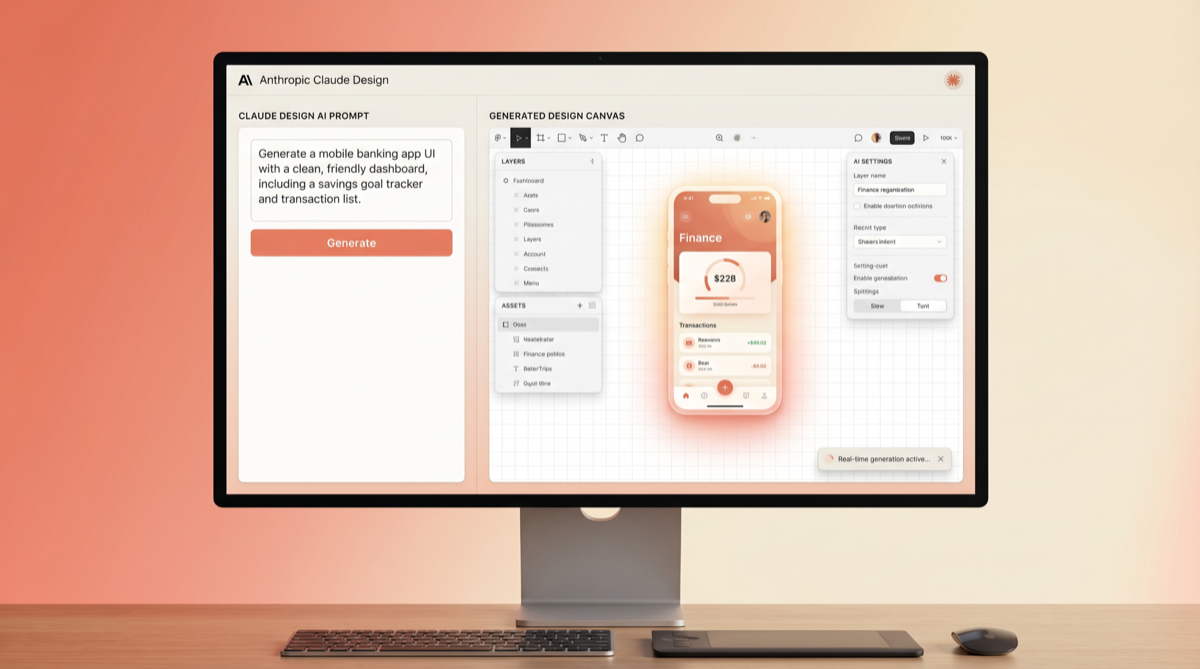
Anthropic's new Claude Design tool, built on Claude Opus 4.7, lets users create polished prototypes, slides, and visual assets from natural language prompts — and the market reacted immediately.
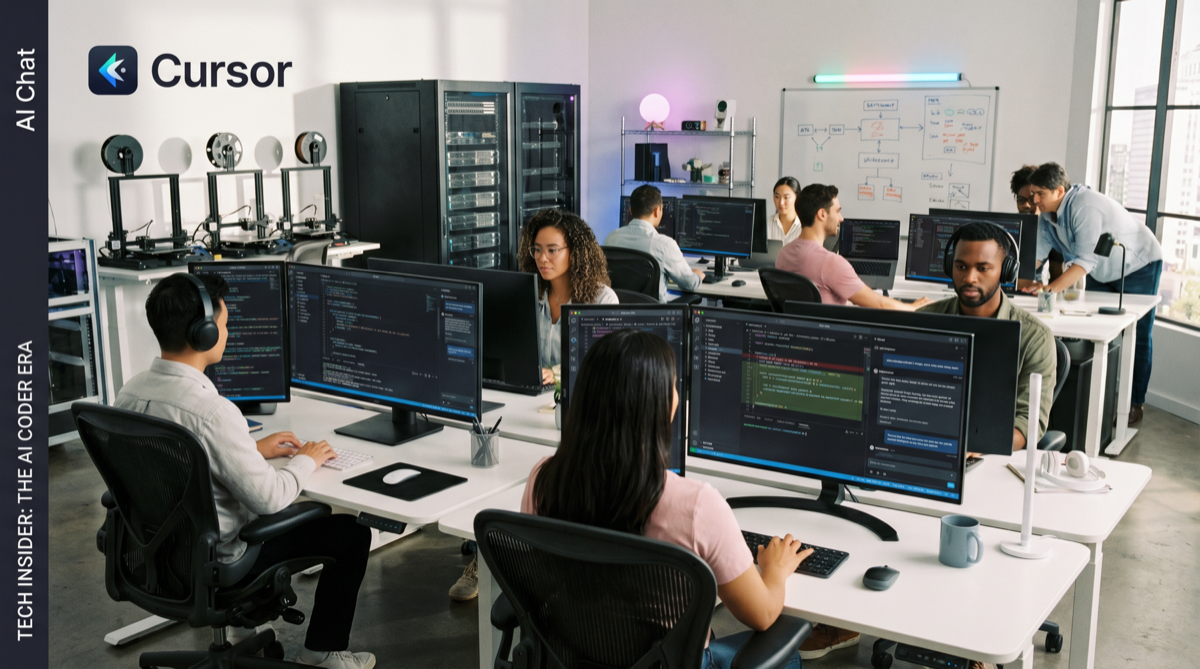
Cursor, the AI-native code editor, secures $100M in Series B funding and announces major features that reduce coding time by 50%, reshaping how software is built.
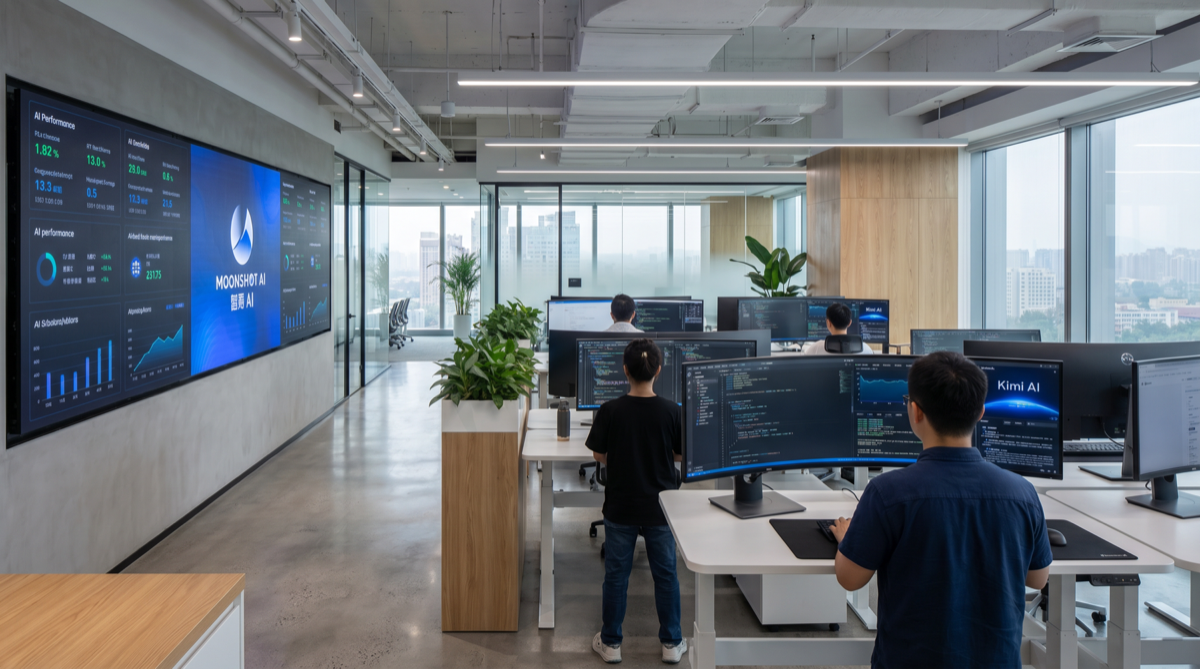
Moonshot AI launches Kimi K2.6, a Chinese-developed AI model with 2M token context window that matches or exceeds the performance of leading Western models on key benchmarks.
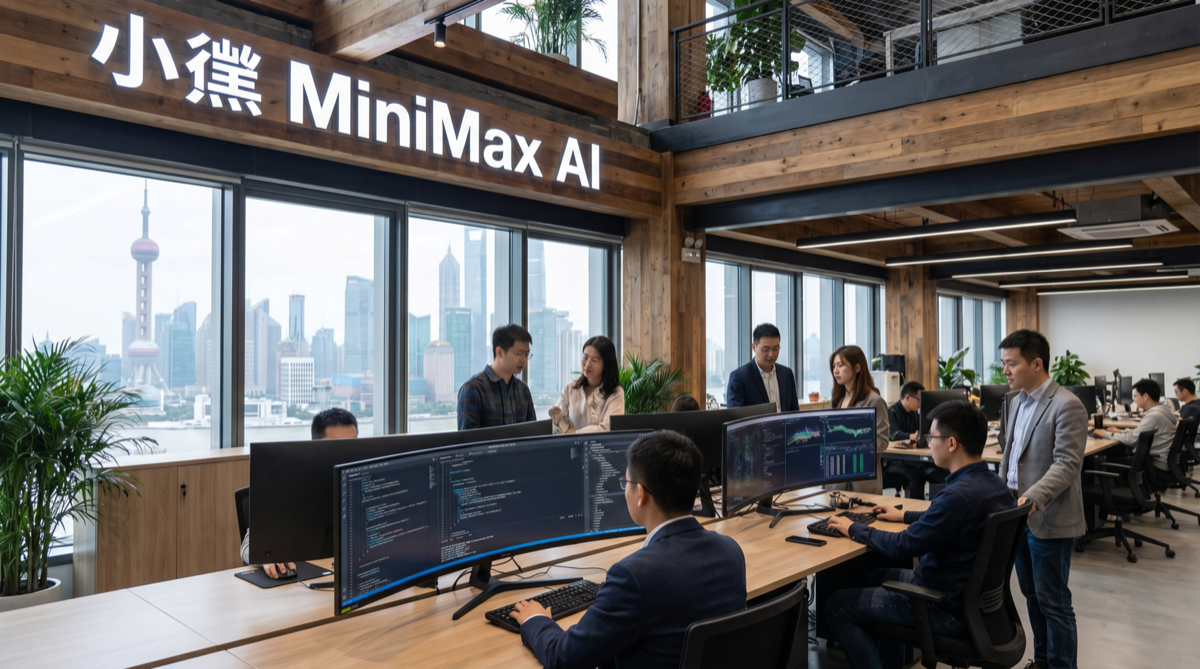
MiniMax introduces ABAB, a lightweight AI model optimized for mobile and edge devices that achieves GPT-4-level performance with a fraction of the computational requirements.