Browse independent reporting and analysis across AI models, research, technology, robotics, security, policy, ethics and the business of artificial intelligence.
Notion restored access to Anthropic after a temporary service disruption, but the episode exposed a larger enterprise risk: AI products are increasingly dependent on model suppliers they do not fully control. The next reliability battle is not just app uptime, but model availability.
As token prices fall and context windows expand, AI companies face a strange inversion: intelligence gets cheaper while usage explodes. The winners may be the products that turn abundant tokens into durable workflow value instead of racing to the bottom on model access.
OpenAI is reportedly developing a Lockdown Mode to protect national security information, a sign that frontier AI products are moving into environments where ordinary consumer safeguards are not enough. The challenge is to make powerful assistants useful without turning them into uncontrolled data channels.
Apple heads into WWDC under pressure to show that Siri can compete in the agent era. After a year of delayed AI promises, the company needs more than polished demos: it needs a credible answer to ChatGPT, Gemini, Claude, and the assistant layer forming around the rest of the industry.
Sriram Krishnan has left his White House AI adviser role after four months, according to TechCrunch. The departure comes as Washington is trying to coordinate frontier model oversight, immigration, chips, procurement, and industrial policy at the same time.
Trump officials have reportedly discussed a possible US government equity stake in OpenAI. Even if the idea never materializes, the discussion shows how quickly AI policy is moving from regulation toward industrial strategy, national champions, and direct state participation.
Anthropic's recent call for a coordinated pause option if frontier AI risks accelerate is less about stopping AI today than about forcing governments and labs to answer a hard question: what would collective restraint actually look like if the warning signs became undeniable?
Meta is using temporary weatherproof structures in Ohio to accelerate AI data-center deployment, a construction shortcut that borrows from Tesla's factory playbook and xAI's off-grid power strategy. The move shows how far hyperscalers are willing to bend normal infrastructure timelines to keep model training capacity ahead of demand.
Apple has approved Poke as the first AI agent on Messages for Business, giving a standalone AI assistant a route into iMessage without a traditional app install. The approval turns business messaging into a potential consumer AI distribution layer just days before WWDC.
Meta is rolling out an AI creator assistant inside Facebook's creator dashboard, giving creators conversational access to performance insights, trend prompts, and content guidance. The launch shows Meta using AI not just to generate media, but to reshape the operating system for creators.
Lovable has signed an expanded multiyear agreement with Google Cloud that a source told TechCrunch will increase its cloud and AI footprint fivefold. The deal marks a turning point for vibe-coding startups as their growth becomes inseparable from model access, cloud contracts, and unit economics.
Hello Robot is making the case that a wheeled assistive robot can reach homes and research labs before humanoids become practical. Its Stretch platform points to a quieter robotics path built around usefulness, accessibility, and real-world data rather than spectacle.
Mira Murati's Thinking Machines Lab is re-emerging after months of operating quietly, with Tinker, open-source model fine-tuning, and interaction models at the center of its thesis. The startup's restraint stands out in a market that usually rewards louder frontier AI promises.
Google's parent company has completed an $85 billion equity raise — the largest in corporate history — as Sundar Pichai reveals a $180–190 billion capital expenditure plan for 2026 and confirms Gemini 3.5 Pro for June. The raise signals that the AI infrastructure arms race is entering a new financial order of magnitude.
xAI's Grok V9-Medium, trained on Cursor developer workflows with 1.5 trillion parameters — three times the current Grok traffic model — has completed training with a mid-June release expected. Behind it, Grok 5 targets 6 trillion parameters on the Colossus 2 supercluster.
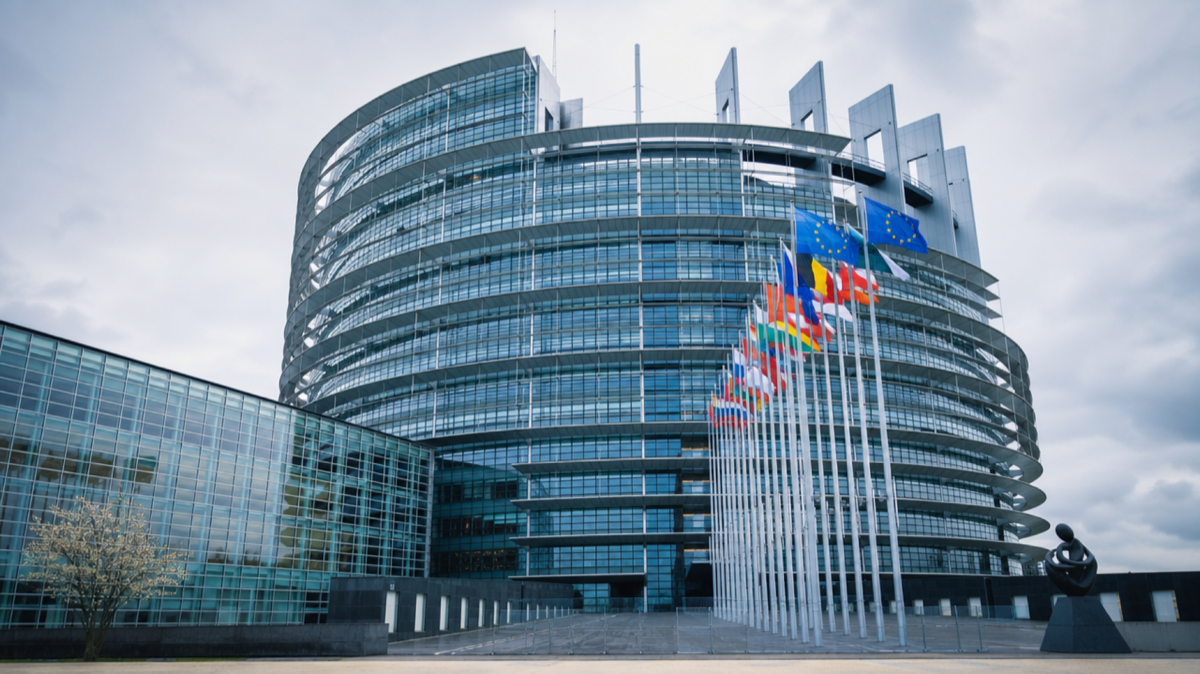
The European Commission has proposed the Cloud and AI Development Act (CADA), targeting a tripling of EU data centre capacity within five to seven years, a four-tier cloud sovereignty framework, and accelerated AI deployment in critical sectors. US tech industry groups warn of market fragmentation.
CNN has filed a copyright and trademark lawsuit against Perplexity AI, alleging it scraped and redistributed more than 17,000 stories, photos, and videos. It is the first AI copyright action by a television network and the ninth lawsuit against Perplexity from major publishers.
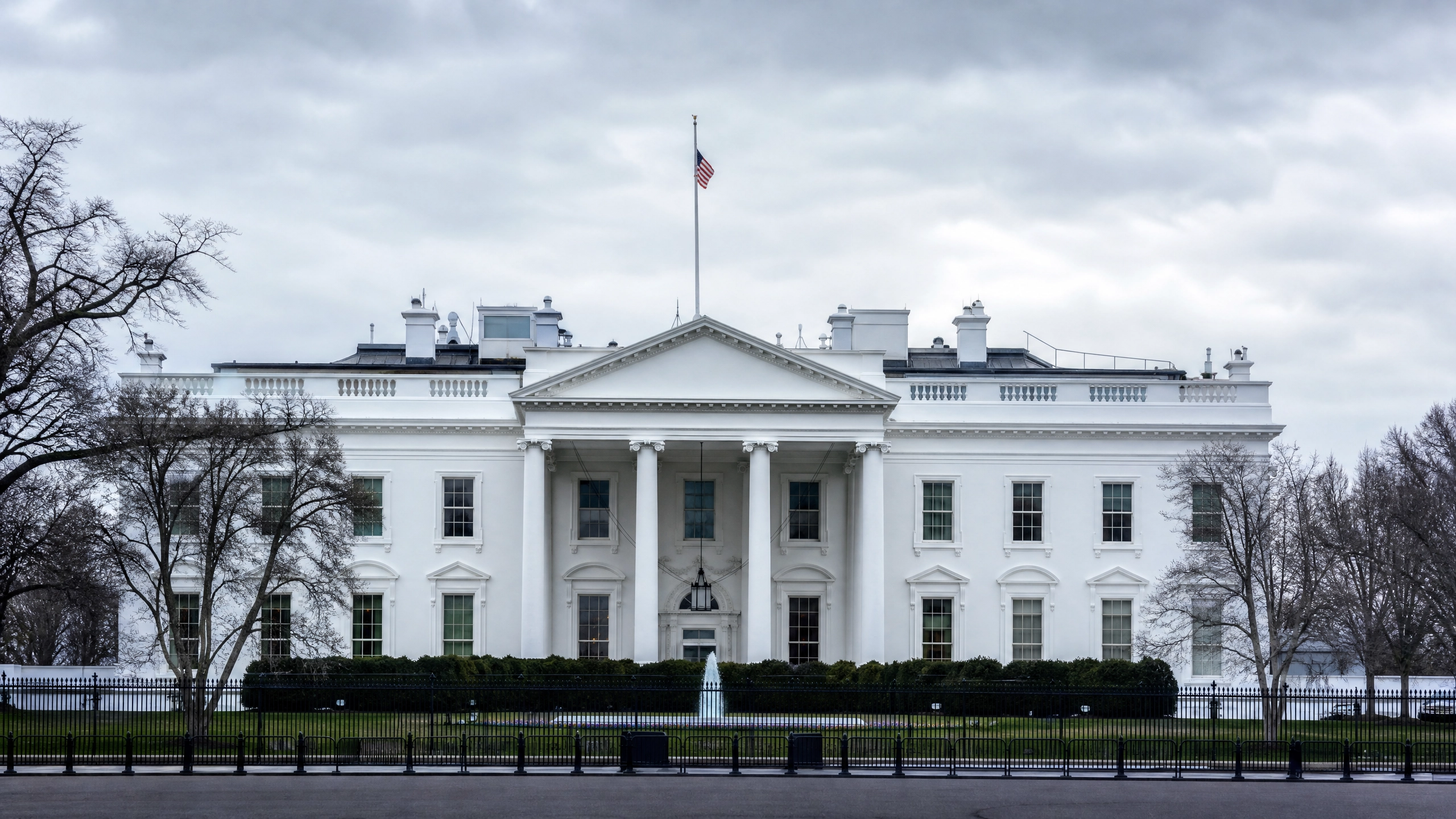
A new White House executive order asks AI companies to voluntarily share frontier models with the government for up to 30 days before public release, while creating an AI cybersecurity clearinghouse spanning NSA, DHS, CISA, and the Department of Defense.
Google is rolling out a fake call detection system to Android 12+ devices that uses a silent RCS digital handshake to verify whether a caller is who they claim to be — the first carrier-independent, on-device defense against AI voice cloning scams.
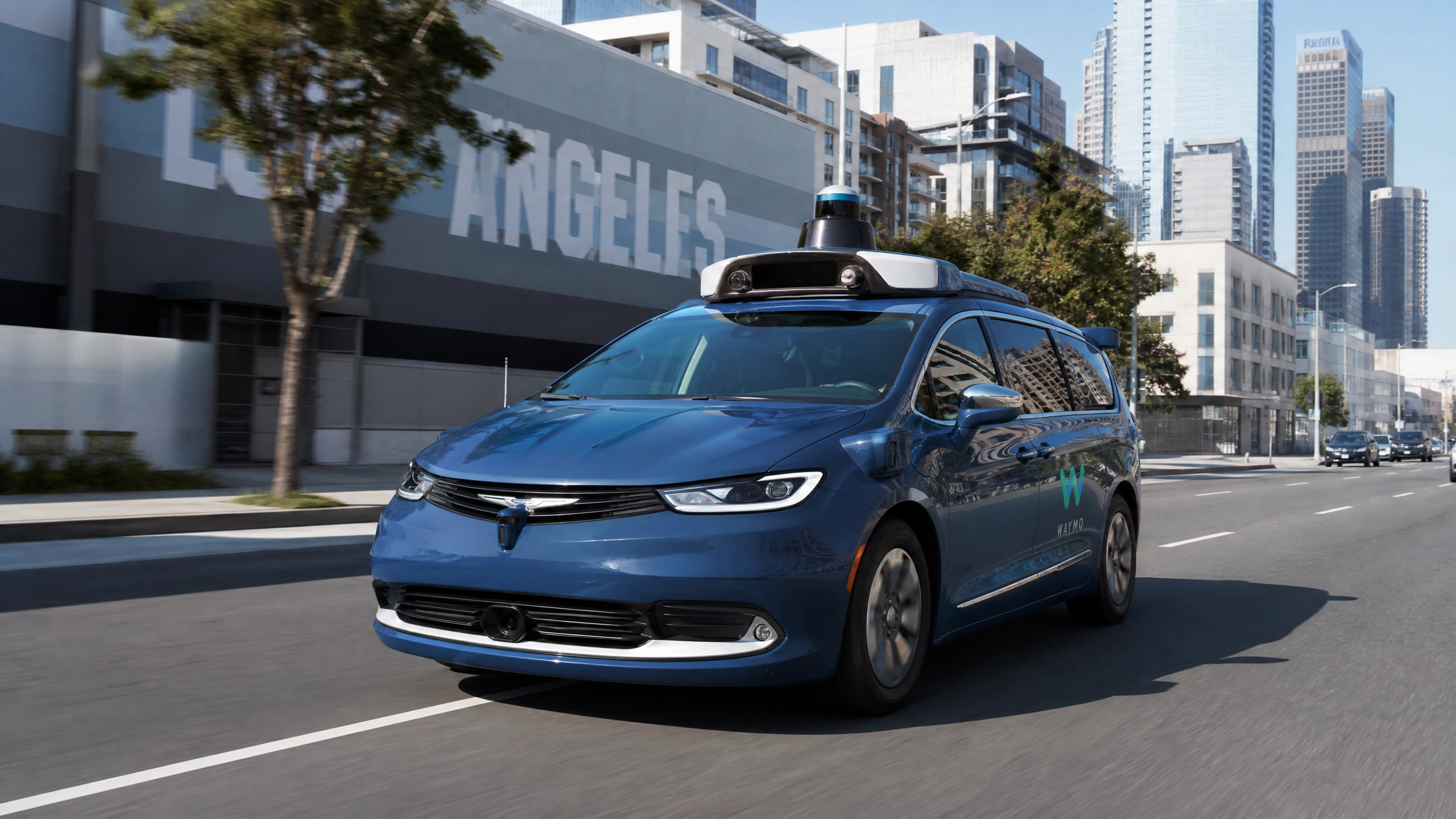
Waymo's new Ojai vehicle — a Zeekr-manufactured minivan equipped with 6th-generation autonomous driving hardware — is now accepting select riders in Los Angeles, Phoenix, and San Francisco. It is the first Waymo vehicle designed from the ground up for commercial scalability.
Uber has capped employee AI tool spending at $1,500 per month after exhausting its annual AI budget in just four months. The episode is the clearest signal yet that enterprise AI adoption is outpacing financial planning — and that the ROI conversation is becoming unavoidable.
The Claude maker has submitted a draft S-1 to the SEC, setting up one of the largest AI listings in history. With a $965 billion valuation and revenue that grew fivefold in a year, Anthropic is racing OpenAI to the public markets.
Satya Nadella opened Microsoft's annual developer conference with a sweeping vision of Windows as an AI agent operating system. New in-house reasoning models, a Copilot super app, and deep Nvidia RTX Spark integration signal Microsoft's most ambitious developer bet in a decade.
OpenAI has extended Codex's computer use capability to Windows PCs, letting developers supervise desktop tasks from a smartphone. The update turns any Windows machine into a remotely supervised AI workstation — with deliberate constraints to keep humans in the loop.