Browse independent reporting and analysis across AI models, research, technology, robotics, security, policy, ethics and the business of artificial intelligence.
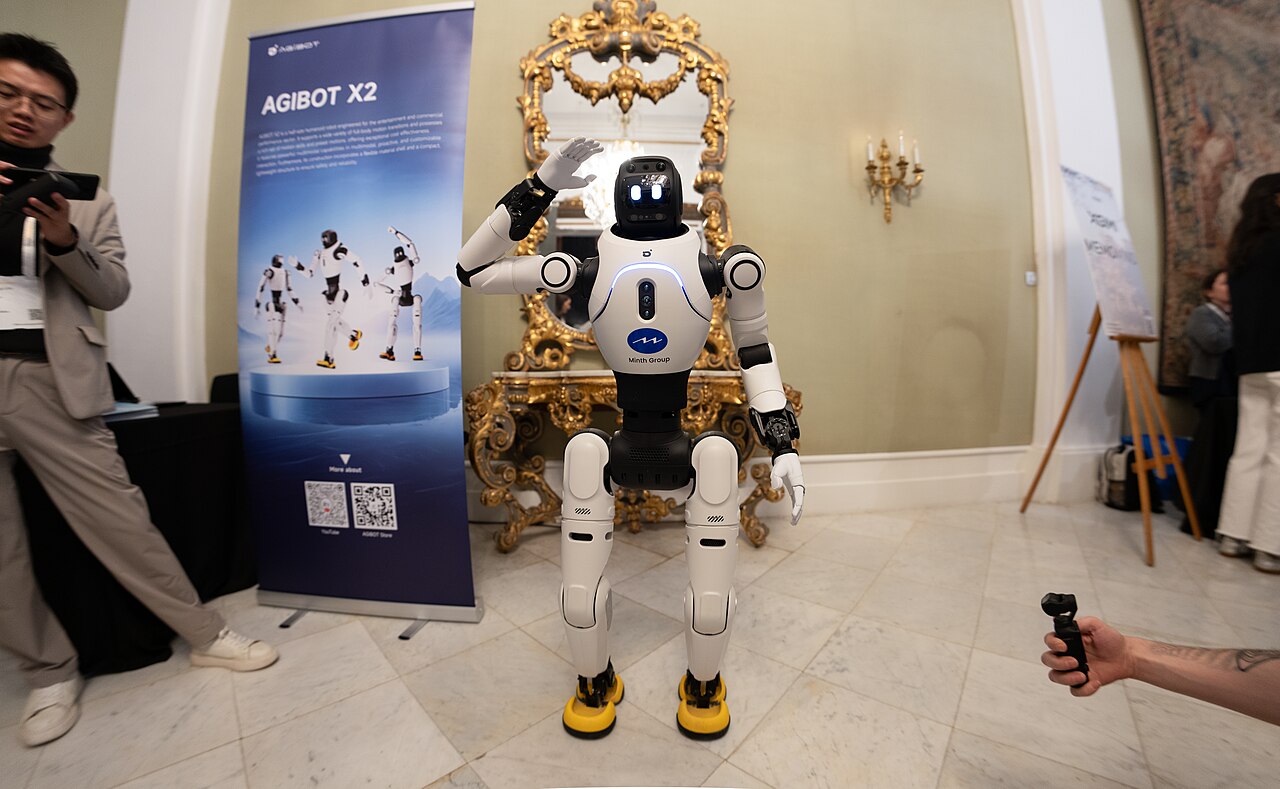
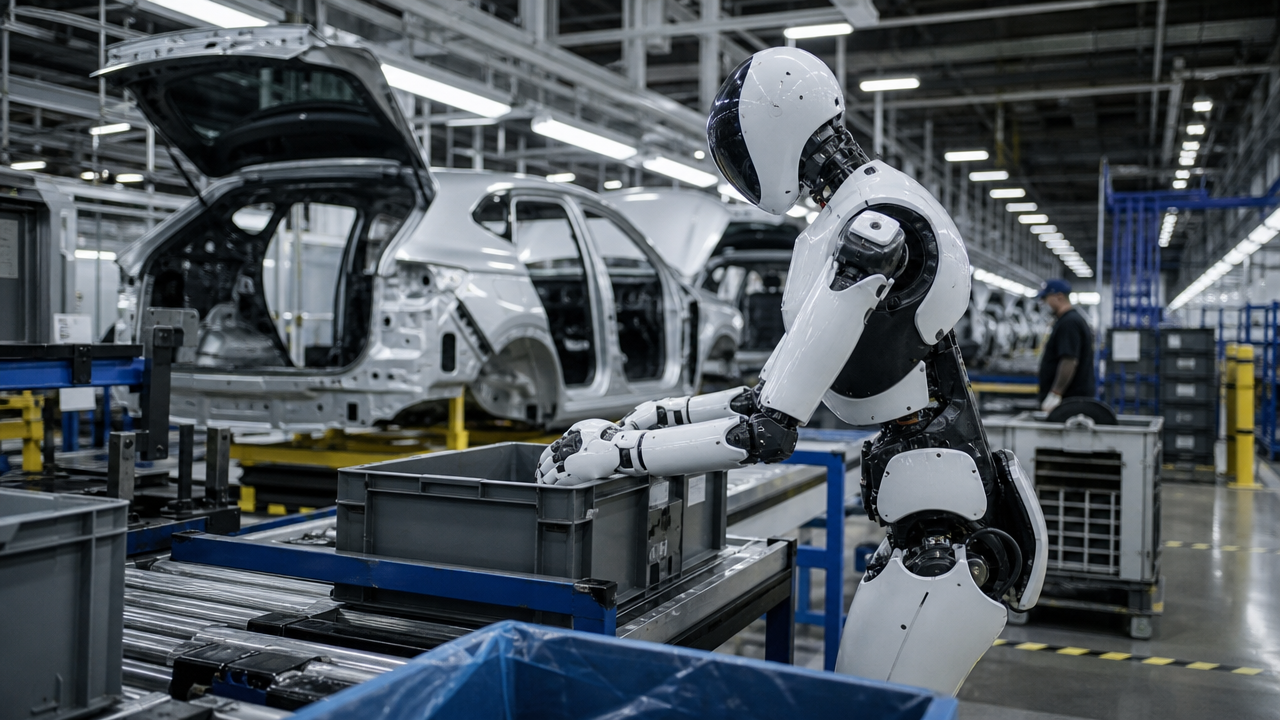
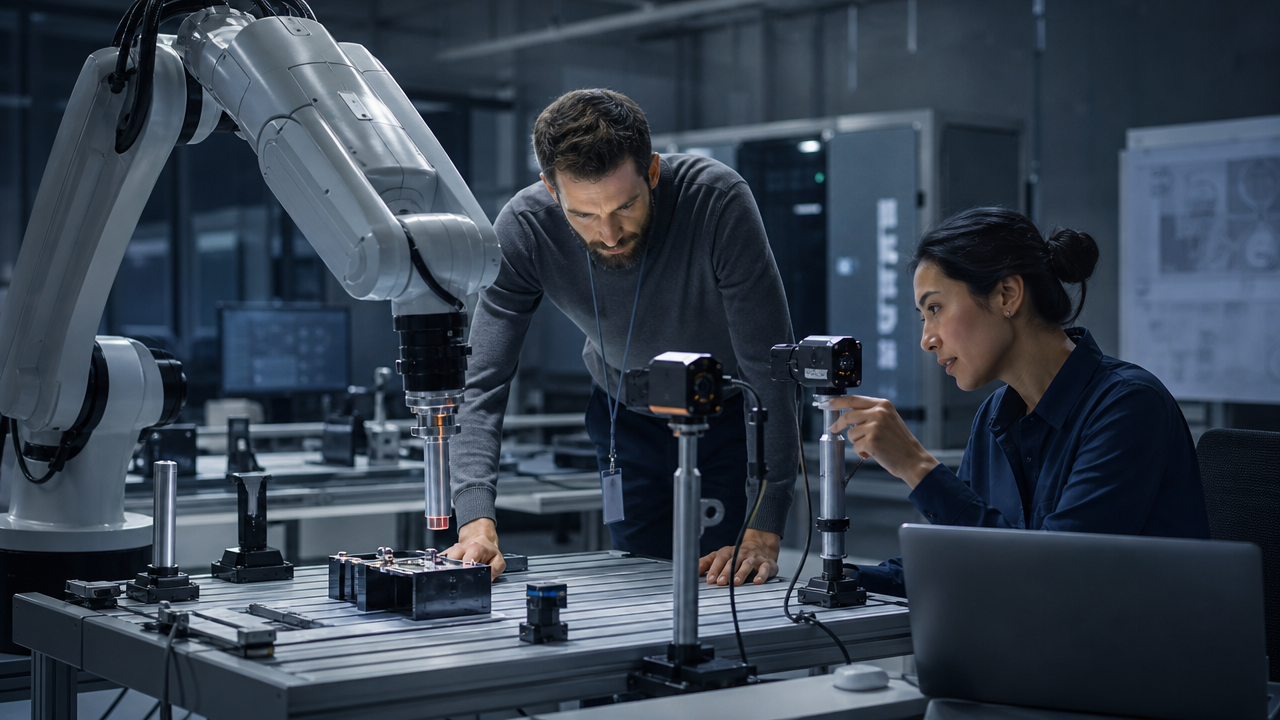
Factory inspection is emerging as one of the more realistic early markets for humanoid robots. The work is structured enough for pilots, but still demanding enough to expose the limits of embodied AI.
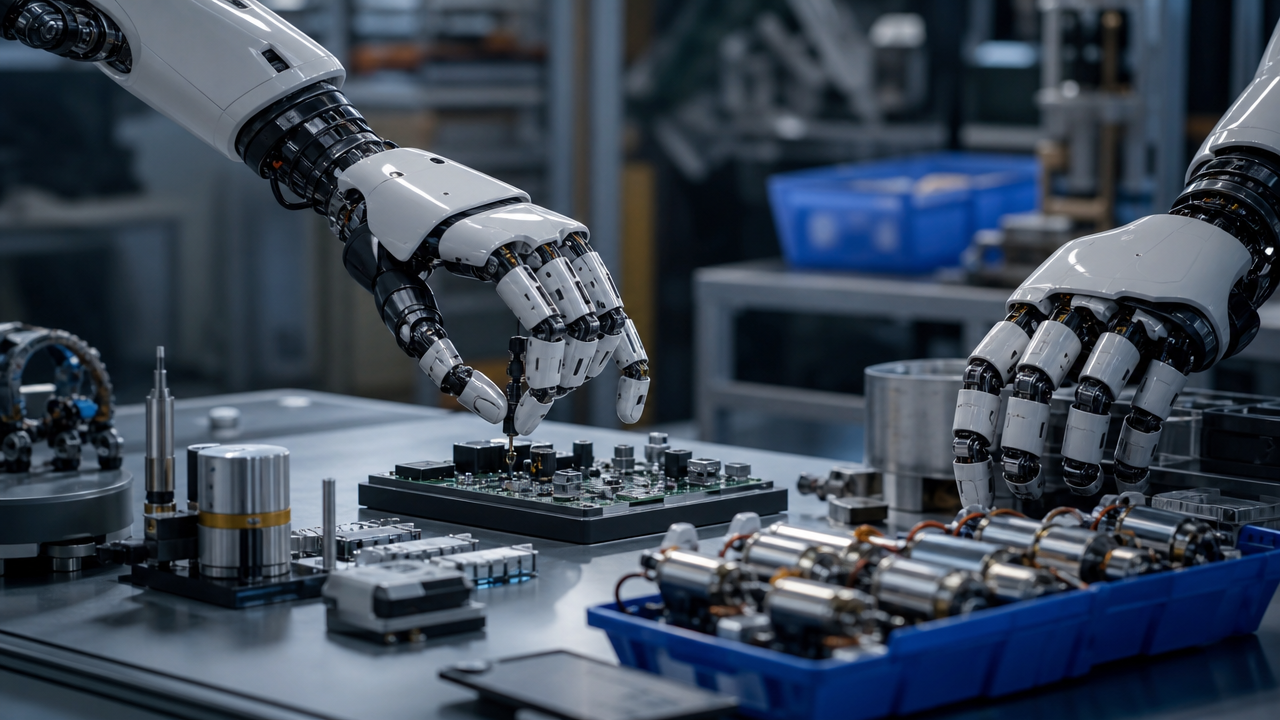
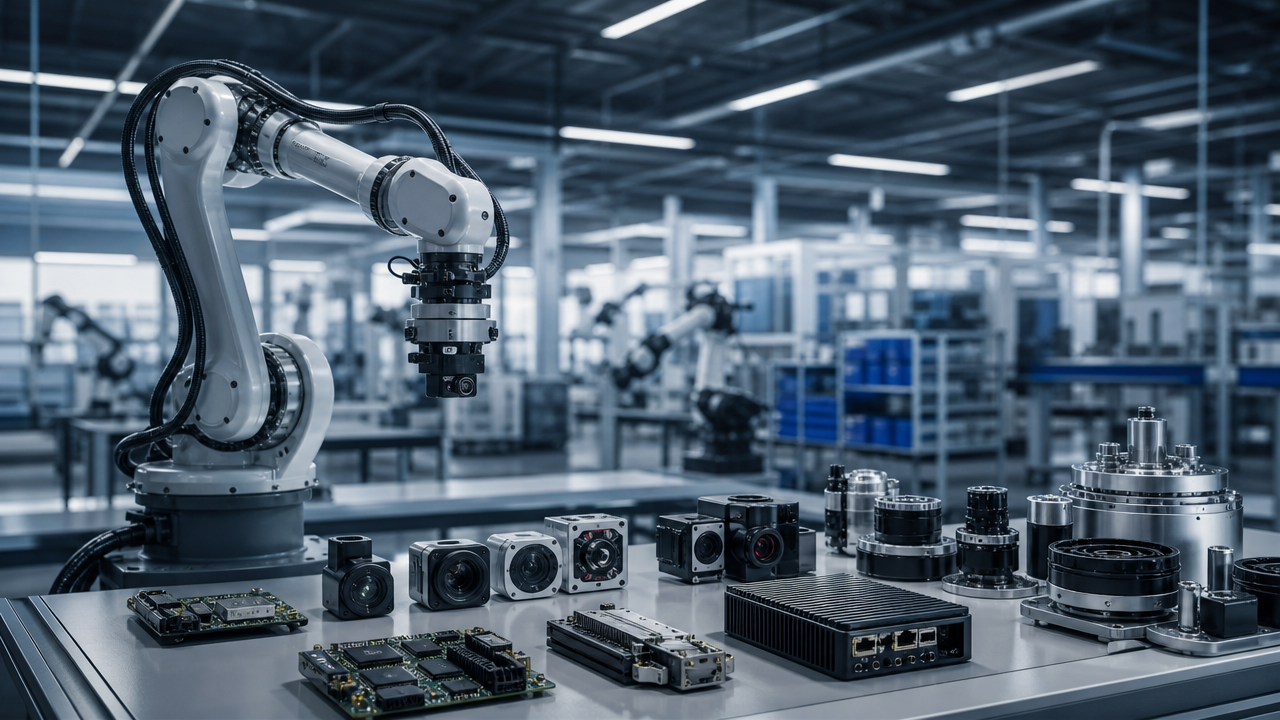
Humanoid robots may get the headlines, but dexterous hands, actuators, tactile sensors, and precision assembly are becoming the supply-chain layer that decides whether physical AI can scale.
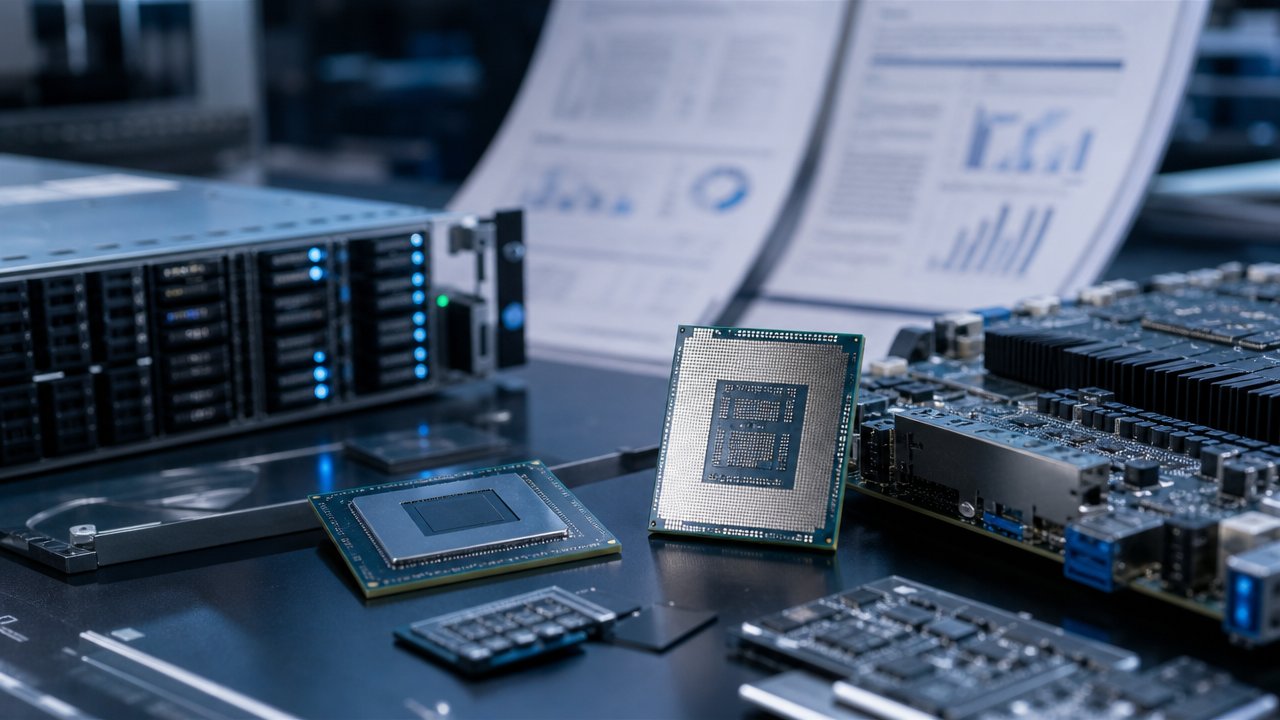
If Baidu's Kunlun chip business moves toward Hong Kong markets, investors will need to separate the national self-sufficiency narrative from the harder economics of inference demand.
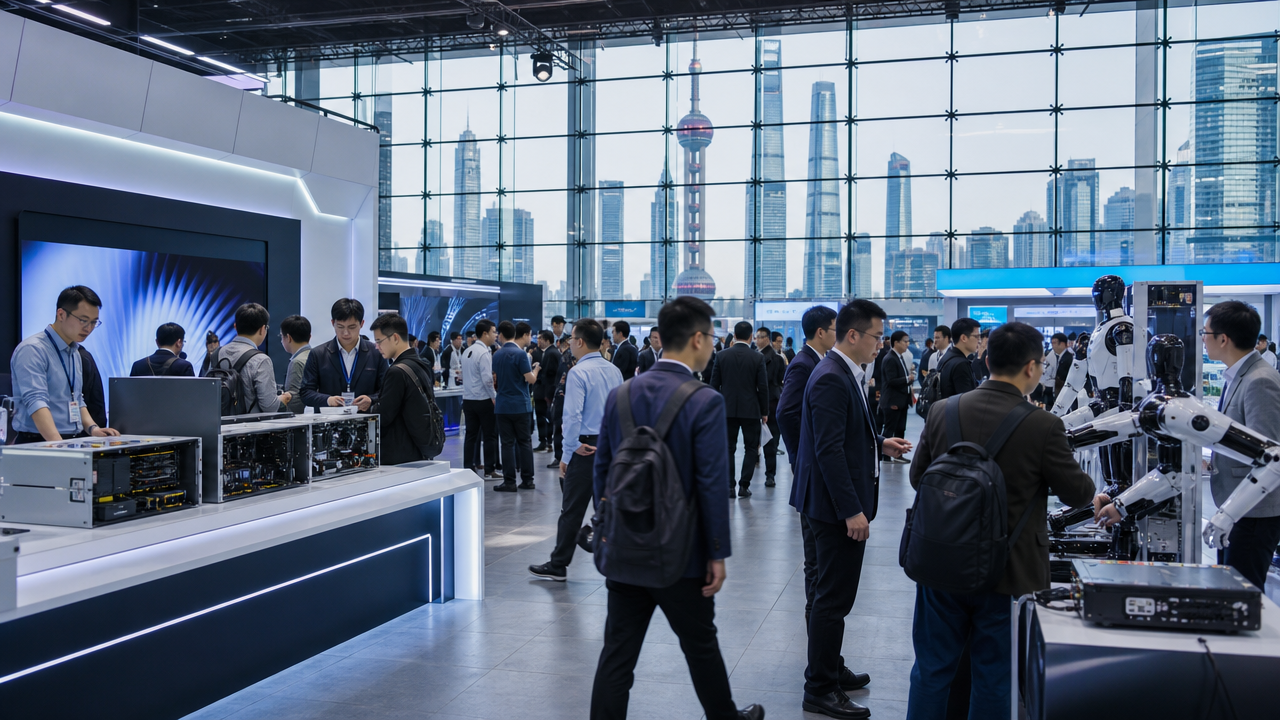
China's major AI conferences are not just product showcases. They are coordination platforms that connect models, hardware, robotics, local governments, investors, and overseas buyers.
As Chinese AI companies look toward Hong Kong listings, investors need a clearer language for model costs, compute commitments, data risk, revenue quality, and governance.
Hong Kong's AI startup strategy needs more than events, office space, and grant language. The practical bottleneck is access to compute, compliant data environments, security support, and real enterprise pilots.
AI chip export controls can slow access to frontier hardware, but they can also accelerate domestic substitution incentives. The strategic question is whether the policy buys time or hardens a rival ecosystem.
A new research argument says U.S. restrictions on chips and compute may be unintentionally raising the value of China's open AI ecosystem. That does not make controls irrelevant; it changes what competition rewards.
New research on Hong Kong black-rain events suggests AI weather models can spot severe rainfall signals earlier. The operational challenge is turning those signals into trusted public warnings.
Hong Kong's decision to pull an AI-generated anti-drug video is more than an awkward campaign story. It shows why governments need stronger review processes before using synthetic media in public-health messaging.
Nvidia's robotics strategy suggests the near-term physical-AI winners may be suppliers of sensors, actuators, edge compute, integration, and safety systems rather than humanoid brands alone.
New research on Codex usage suggests agentic AI adoption is spreading beyond software developers and into organizational workflows. The shift matters because agents change not just output, but who owns a task boundary.
SKF's joint venture with Leaderdrive points to a practical truth behind the humanoid boom: robot joints, bearings, transmissions, and actuators may matter as much as model intelligence.
Kuaishou's Kling unit has reportedly raised billions ahead of a planned spinoff, showing how AI video is becoming a serious platform-and-listing race rather than a novelty tool category.
Washington's increasingly transactional approach to frontier model access is turning AI capability into a diplomatic test. Allies are no longer judged only by defense spending or trade alignment, but by how they fit into the U.S. AI power stack.
Reports that Meta's upcoming Watermelon model is catching up to OpenAI's flagship systems show why the frontier race is now a battle of compute scale, coding agents, and talent consolidation.
Anthropic is reportedly tightening loopholes that let Chinese firms reach Claude through overseas subsidiaries, cloud channels, and intermediaries. The story shows how frontier model control now depends on identity, telemetry, and platform enforcement.
Reports that OpenAI has discussed giving the U.S. government a stake in the company show how frontier AI is moving from private technology race to public industrial-policy bargain.
The Embodied-R1.5 research release highlights where robotics foundation models are headed: planning, grounding, self-correction, and evaluation that moves beyond single-task demonstrations.
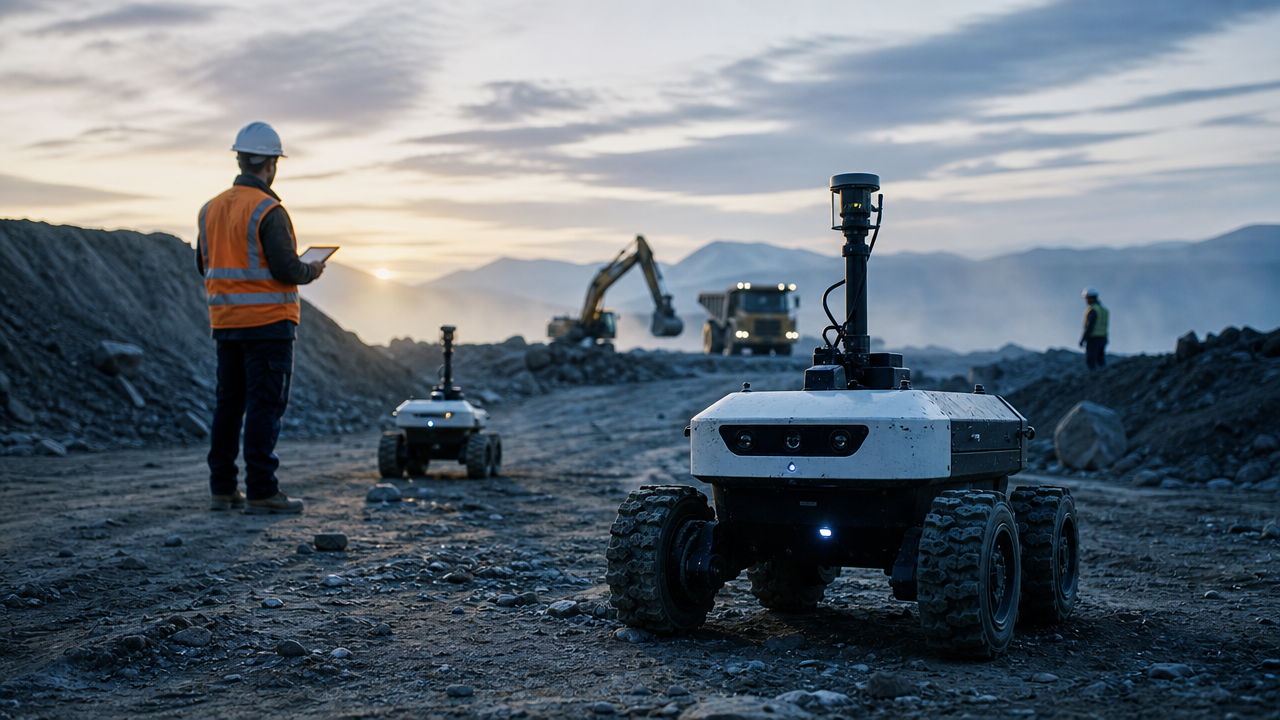
FieldAI's reported $100 million contract milestone points to a robotics market where universal autonomy software, fleet operations, and risk-aware deployment may become more valuable than any single robot body.
BMW's reported deployment of Figure humanoids at its Spartanburg factory points to a practical robotics path: logistics, ergonomics, and repetitive industrial work before open-ended consumer autonomy.
UBTech's latest home-focused humanoid shows why consumer robotics is becoming a different contest from factory automation. The hard problems now include safety, privacy, teleoperation, and whether people actually want a robot sharing domestic space.
Robotics foundation models are moving from impressive demos toward harder evaluation. The next question is whether embodied AI can be measured across safety, reliability, task transfer, and recovery from messy real-world failures.
As open-weight models become cheaper and more capable, companies need a control layer around registries, provenance, evaluations, and deployment permissions. The risk is no longer just model quality. It is model supply-chain security.