Browse independent reporting and analysis across AI models, research, technology, robotics, security, policy, ethics and the business of artificial intelligence.
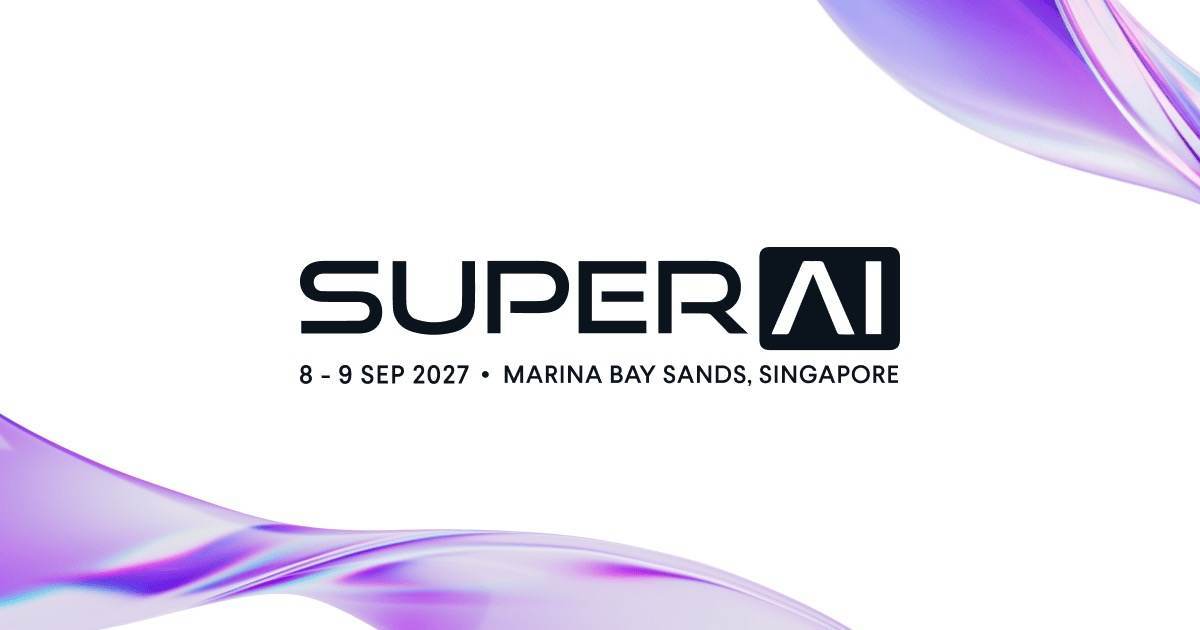
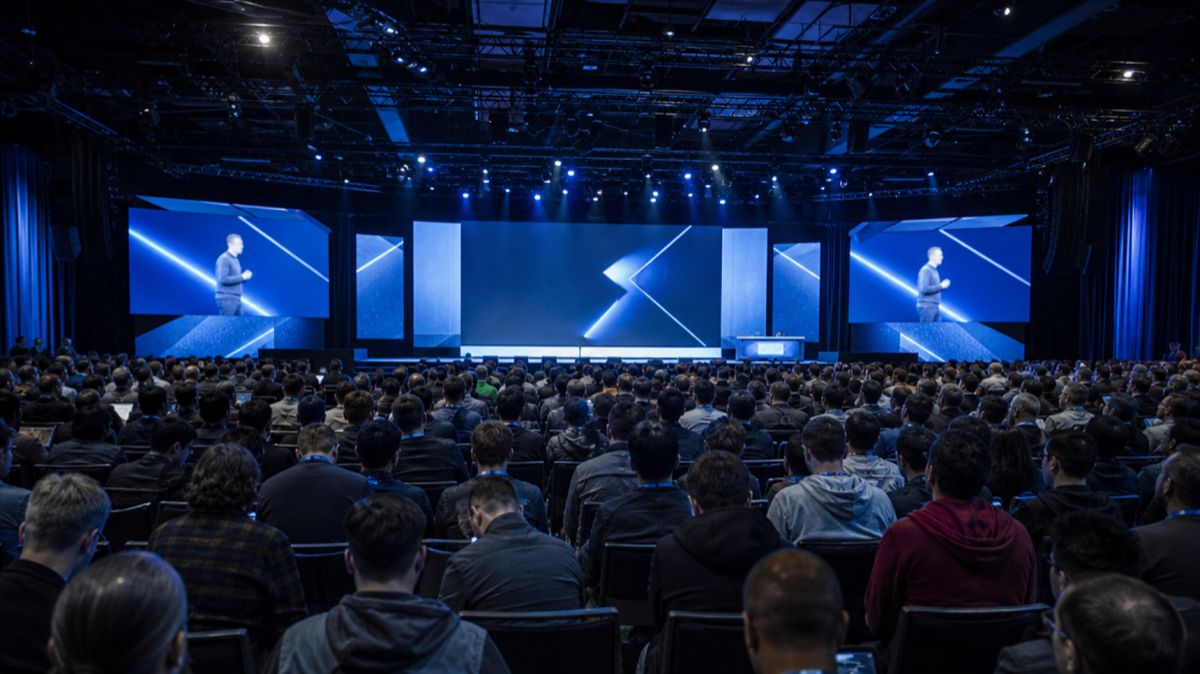
SuperAI 2026 turned Singapore into more than a conference venue. With Singapore AI Week, Genesis, NEXT Hackathon, major AI companies, and enterprise buyers in the same orbit, the city-state is positioning itself as Asia’s practical AI deal room.
The NEXT Hackathon’s $200,000 prize pool and builder focus show where AI application development is heading: agents, workflows, fast prototyping, and developer experience. The next platform winners will be chosen by builders before they are chosen by CIOs.
The Genesis competition gives SuperAI a venture-capital lens: which AI startups can move beyond wrappers and demos into repeatable business models. The strongest signal is not model novelty, but customer urgency.
Geneva talks on military AI are beginning alongside G7 diplomacy, giving autonomous-weapons rules a higher-profile moment. The challenge is whether governments can define minimum human-control standards before battlefield deployment outruns negotiation.
The first day of Singapore AI Week showed how the region's AI power structure is being built before the main stage opens: through builders, startups, enterprise buyers, policy circles, and city-wide communities converging around SuperAI.
Ahead of June 15 discussions in Geneva, diplomats and civil-society groups are trying to move military AI toward minimum international standards. The issue is no longer theoretical: AI-assisted targeting, autonomy, and command systems are entering real conflicts.
Anthropic’s limits on surveillance and autonomous-weapons use have become a reference point in the military AI debate. The issue is bigger than one company: frontier labs are being forced to decide where commercial opportunity ends and weapons governance begins.
As AI demand rises across Asia, compute strategy is shifting from simply buying more GPUs to diversifying clouds, chips, data-center locations, and power sources. Singapore’s AI week makes that infrastructure question harder to ignore.
As major AI labs participate in government model evaluations, CAISI is becoming a practical bridge between voluntary safety commitments and more formal pre-release oversight. The question is whether the institution can scale before the next model cycle arrives.
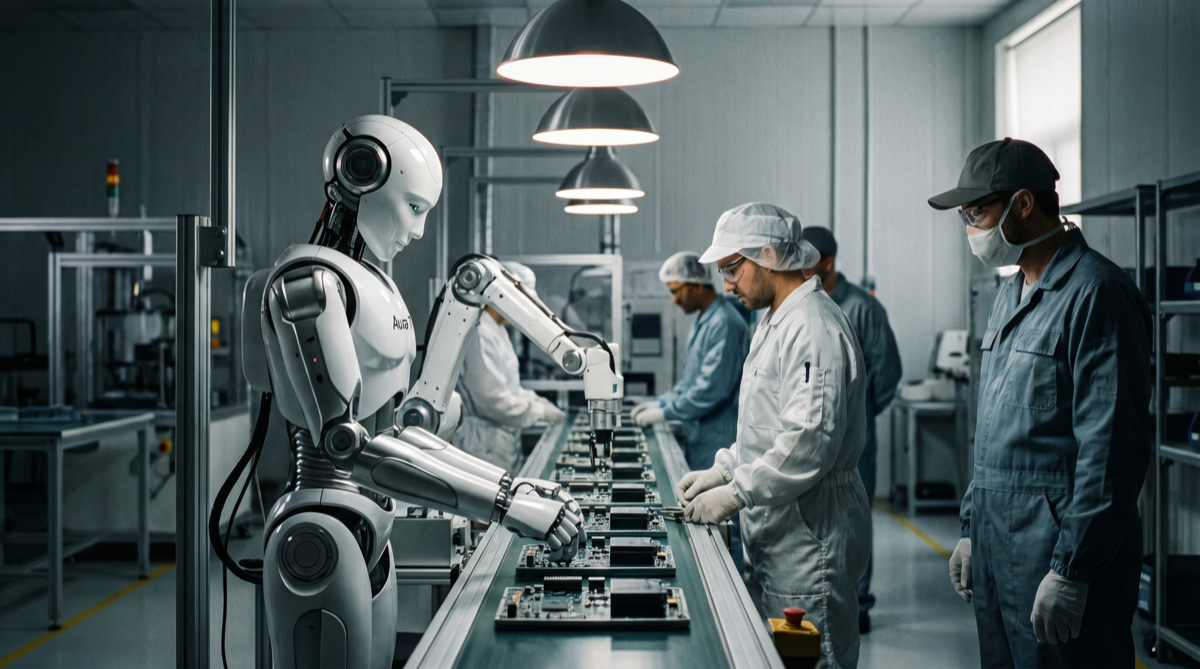
A new embodied AI safety paper underscores a larger shift: AI risk is no longer only about text outputs. As robots, vehicles, and industrial systems gain autonomy, safety becomes a systems-engineering problem with physical consequences.
As SuperAI brings the industry back to Singapore, the Singapore Consensus on global AI safety research priorities remains a useful reminder: the hard problems are not only model capability, but evaluation, control, misuse, robustness, and international coordination.
Axios reports that SpaceX’s investor-education-heavy IPO approach may become a model for OpenAI and Anthropic. That matters because frontier AI companies are too complex for ordinary public-market storytelling.
The road to an AI IPO is also a test of investor literacy. Public markets must learn how to value compute obligations, model cycles, safety risk, enterprise adoption, and consumer distribution inside companies that still look more like research labs than ordinary software vendors.
At SuperAI, the startup contest, hackathon, partner floor, and investor meetings all point to one theme: AI capital is looking beyond Silicon Valley for distribution, regulatory clarity, and cross-border enterprise demand.
Anthropic’s commitment to fund AI economic-impact research moves the labor-market debate from abstract fear to operational planning. The deeper question is whether companies that benefit from automation will help build the institutions needed to absorb it.
Dario Amodei’s warnings about AI-driven labor disruption are becoming more specific: better data, pro-employment incentives, safety regulation, and even UBI-style tools. The important shift is that frontier AI leaders are now discussing redistribution before the shock fully arrives.
Singapore’s advantage in AI is not only regulation or geography. SuperAI shows the city-state’s stronger card: convening startups, investors, and enterprise buyers in a market where cross-border deployment is the default assumption.
The Genesis startup competition at SuperAI puts a sharper lens on which AI companies can survive outside the demo economy. For investors, the question is not who has a clever model wrapper, but who has distribution, data rights, and a buyer-ready workflow.
The NEXT Hackathon at SuperAI puts builders, agents, and application prototypes at the center of Singapore AI Week. The strategic point is simple: developer adoption remains the fastest path from model capability to real product behavior.
Enterprise AI buying is difficult because every vendor claims transformation. Singapore AI Week creates a rare side-by-side market where buyers can compare models, agents, infrastructure, security, and workflow software without relying only on sales decks.
Apple’s WWDC AI push puts Siri back in the spotlight after a long delay. The question is whether privacy-first personal context can still compete with faster-moving agent platforms from OpenAI, Google, Anthropic, and Microsoft.
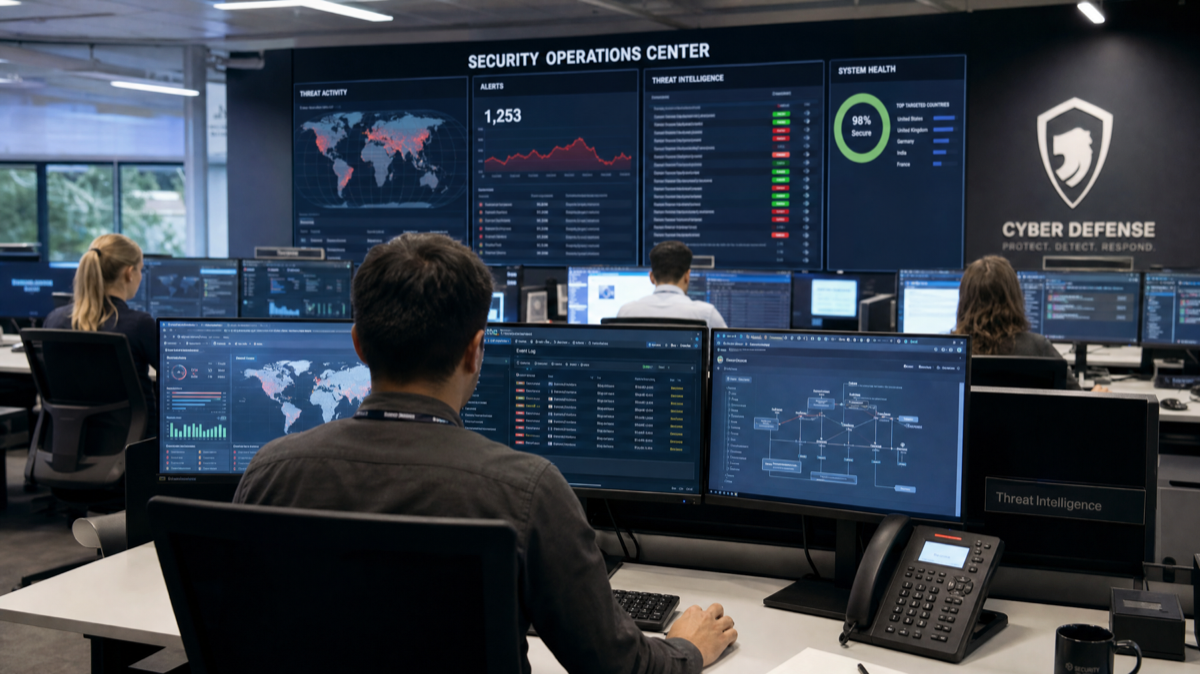
Trusted-access programs for the most cyber-capable frontier models are turning OpenAI and Anthropic into private control points for advanced security research. That may reduce misuse, but it also concentrates power over who gets the best defensive tools.
Singapore AI Week gives the city-state a dense AI moment: SuperAI, startup contests, hackathons, investor meetings, and side events all compressed into one week. The signal is that Asia wants its own AI convening power, not just imported frontier-lab news.
OpenAI is still working toward a ChatGPT super app, and the shape of that ambition is becoming clearer: browser, device, app store, agent layer, and consumer assistant all pulled into one interface. The strategic question is whether ChatGPT becomes a destination or the operating layer around everything else.