Security
OpenAI And Anthropic Are Becoming Cybersecurity’s New Gatekeepers
Trusted-access programs for the most cyber-capable frontier models are turning OpenAI and Anthropic into private control points for advanced security research. That may reduce misuse, but it also concentrates power over who gets the best defensive tools.
By Leo W ·
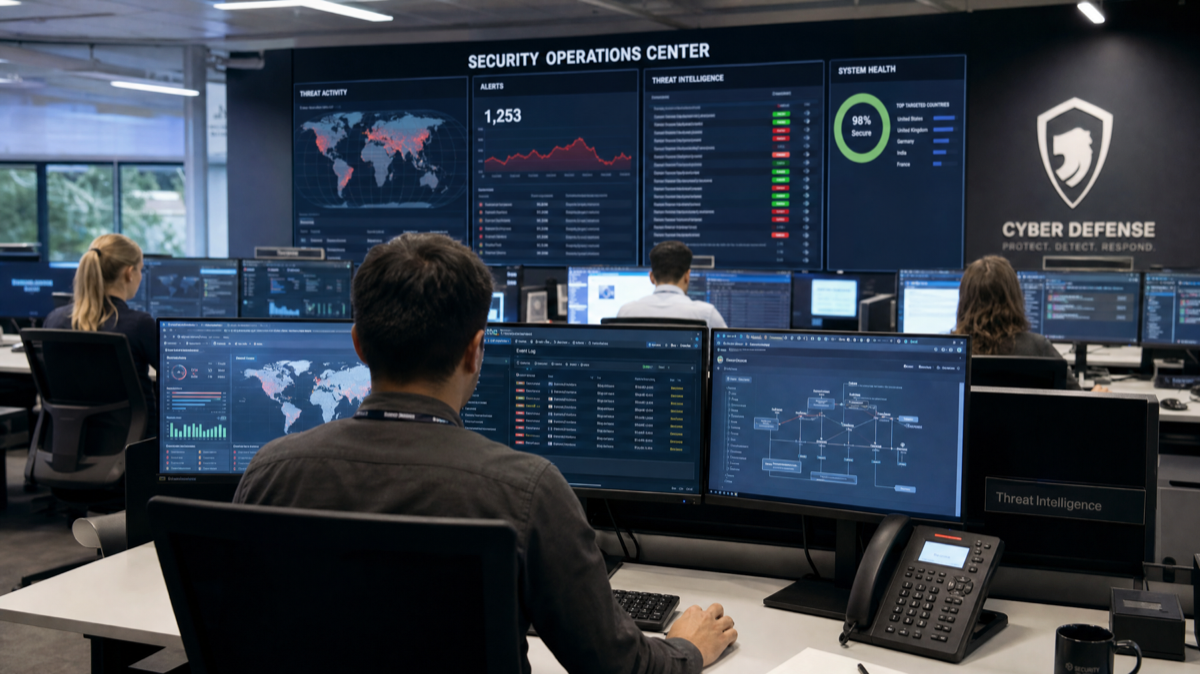
OpenAI and Anthropic are increasingly controlling access to their most cyber-capable AI systems through selective programs that decide which researchers, vendors, and institutions can use frontier capabilities. The key institutions and terms in this story include cybersecurity, Axios, NIST, frontier AI.
The timing matters because cybersecurity is one of the first domains where model capability can be simultaneously defensive and dangerous. The same tool that helps a trusted team find vulnerabilities can help a malicious actor scale exploitation if released without controls.
Safety Controls Become Market Structure

The Fairness Problem
The story also sits inside a broader map of Anthropic, OpenAI, cybersecurity, Axios, NIST, frontier AI. These are no longer separate news lanes. They are becoming one operating environment for AI companies, customers, regulators, developers, and investors.
The next test is execution. Announcements can set the frame, but users and institutions will judge the shift by reliability, governance, cost, and whether the technology makes real work easier without quietly moving risk somewhere else.
Topics: cybersecurity, OpenAI, Anthropic, frontier AI