Security
Anthropic's Safety Hiring Shows AI Misuse Prevention Is Becoming An Operating Function
A surge in Anthropic roles focused on preventing dangerous AI misuse illustrates how frontier labs are turning model safety from a research agenda into a permanent security, policy and operations function.
By Leo W ·
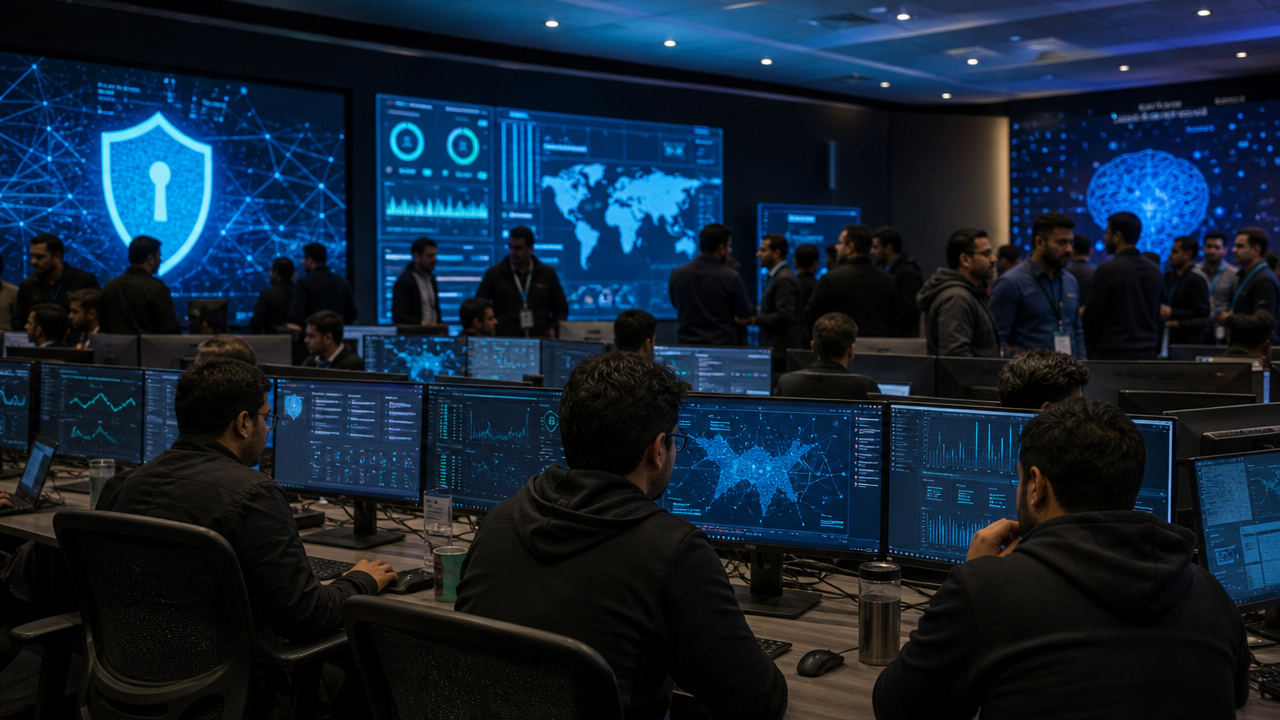
Anthropic's growing roster of roles devoted to preventing dangerous AI misuse is a sign that frontier-model safety is becoming less like a specialist research project and more like a permanent operating function.
The shift matters because a capable model creates risks at several layers at once. There is the model itself, the way it is evaluated, the account that reaches it, the tools it can call, the applications built on top of it and the human teams who have to investigate when behavior crosses a line. A single policy document cannot govern that stack.
Misuse-prevention work sits between security engineering and product operations. Teams need to understand what an attacker might attempt, recognize patterns that look suspicious without treating every unusual user as malicious, and create escalation paths that are fast enough to matter but careful enough not to punish legitimate research.

This is different from the early public conversation about chatbot guardrails. A refusal at the end of a prompt is only one control. Stronger systems require layered defenses, including account verification, rate limits, abuse detection, human review and ways to restrict sensitive capabilities without shutting down ordinary work.
The operational burden will grow as models become more useful in cybersecurity, biology, coding and agentic workflows. Labs may know that a capability is valuable to defenders, researchers and businesses while also knowing it could make a smaller group of bad actors more efficient. The job is not simply to say yes or no. It is to decide under what conditions access can be managed.
That makes hiring a strategic signal. Companies that build safety teams only after an incident will struggle to understand their own systems in time. Companies that staff them early can embed security thinking in product design, access rules and incident response instead of treating it as an external review step.
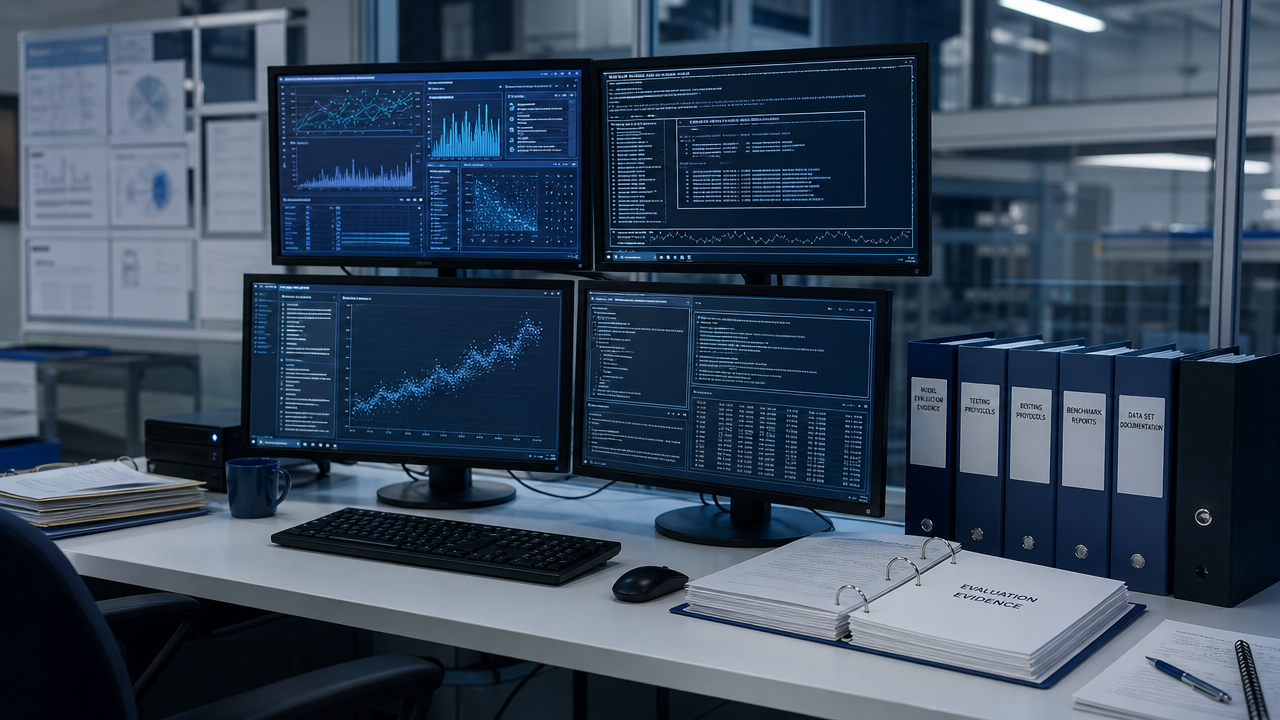
There will be hard arguments over transparency. Users want to know what rules apply. Researchers want predictable access. Governments want assurance that the most capable systems are not being treated as ordinary software. Vendors also need to avoid publishing enough detail about their defenses to make evasion easier.
The next stage of AI safety will be judged less by a laboratory manifesto than by whether a company can run the daily machinery of prevention, investigation and accountability at the speed its models are improving.
Topics: Anthropic, AI safety, misuse prevention, cybersecurity