Security
Anthropic Model Restrictions Expose A New Risk For Cyber Defenders
Cybersecurity leaders warn that restricting access to advanced AI models can hurt defenders as well as adversaries. The Anthropic access dispute shows why national-security AI policy has to account for defensive users, not just misuse risk.
By Leo W ·
Cybersecurity leaders are warning that restrictions on advanced AI models could weaken defenders as well as attackers. The concern has sharpened around Anthropic's model-access dispute, where national-security logic is colliding with the reality that security teams increasingly use frontier models for detection, triage, malware analysis, and incident response.
The policy instinct is understandable. Advanced models can help malicious actors write code, automate reconnaissance, generate phishing content, and reason through vulnerabilities. But defenders use the same capabilities to summarize logs, search codebases, reverse-engineer suspicious scripts, and respond faster than human teams could alone.
The Defender's Paradox
Security is an asymmetric field. Attackers need one path in; defenders need to watch everything. If the best AI tools are restricted too broadly, well-resourced attackers may still find alternatives, while legitimate security teams lose the systems that help them scale scarce expertise.

That does not mean unrestricted access is safe. It means policy needs more texture. Governments may need trusted-user tiers, audited access, domain-specific safeguards, red-team evidence, and emergency channels for critical infrastructure defenders. A binary allow-or-ban model is poorly matched to cyber reality.
Access Becomes Part Of Security Architecture
The most practical question is not whether frontier models are dangerous. It is who can use them, under what controls, with what logging, and for which defensive workflows. A hospital security team, telecom operator, or power-grid defender has a different risk profile from an anonymous account probing exploit chains.
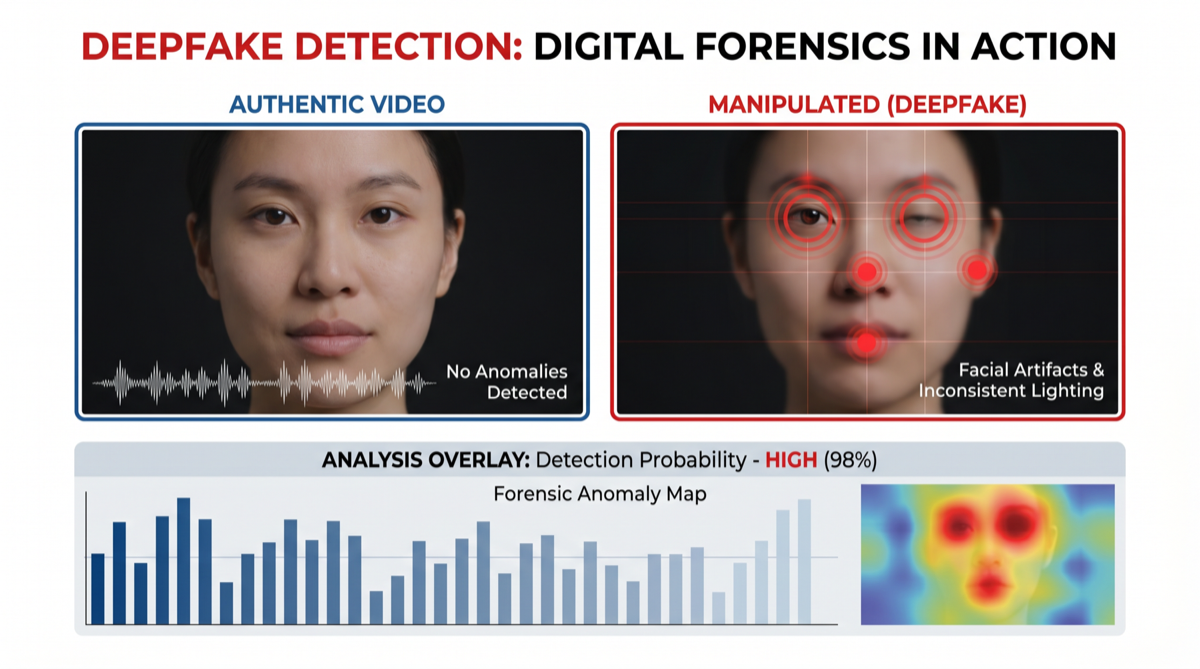
The vendor side is also difficult. If labs become gatekeepers for national-security access decisions, they will need processes that look more like regulated infrastructure than consumer software. That includes customer verification, abuse monitoring, incident reporting, and credible appeals for defensive users who lose access.
National Security Cuts Both Ways
Topics: Anthropic, cybersecurity, model access, AI security