Security
OpenAI's Reported Lockdown Mode Shows Frontier AI Is Becoming Security Infrastructure
OpenAI is reportedly developing a Lockdown Mode to protect national security information, a sign that frontier AI products are moving into environments where ordinary consumer safeguards are not enough. The challenge is to make powerful assistants useful without turning them into uncontrolled data channels.
By Leo W ·
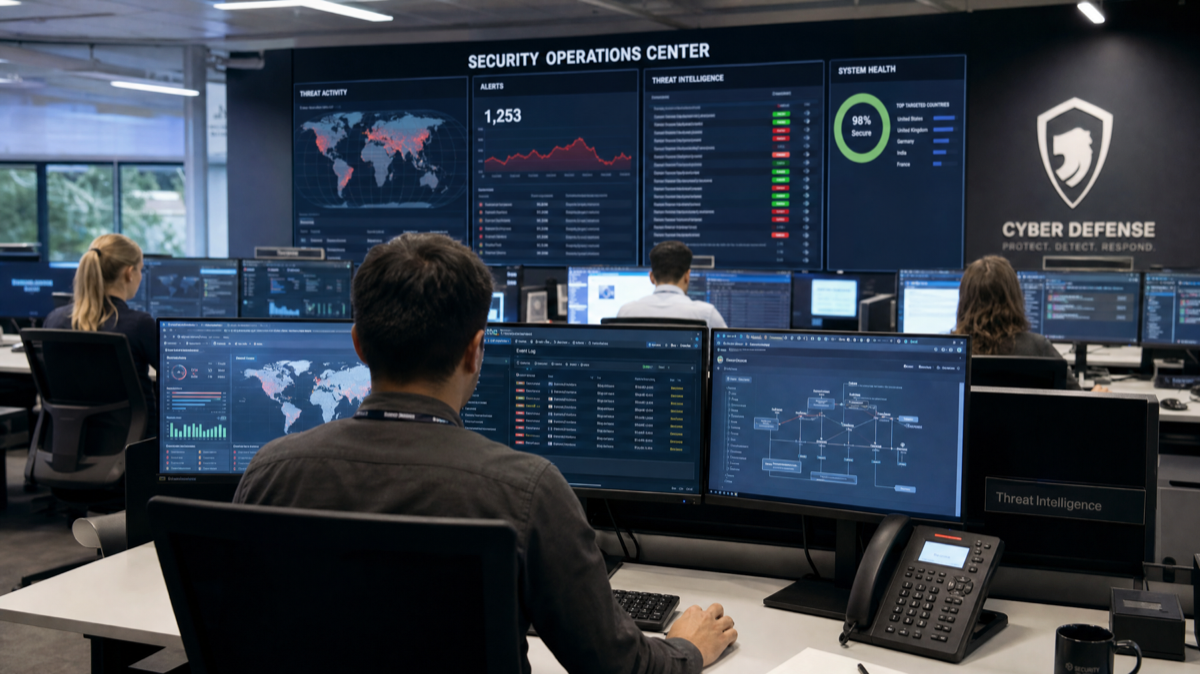
OpenAI is reportedly developing a Lockdown Mode to protect national security information inside its products, according to TechCrunch's summary of reporting from The Information. The details remain limited, but the strategic signal is clear: frontier AI tools are moving into sensitive environments where consumer-grade privacy controls and standard enterprise settings are no longer enough.
Lockdown Mode is a familiar idea in security design. Apple uses the phrase for an extreme protection setting aimed at users facing targeted spyware threats. In AI, the concept has different stakes. The system is not only defending a device from attack. It is constraining what a model can see, remember, retrieve, send, and act on when the information involved may be classified, proprietary, or strategically sensitive.
The Data Channel Problem
The core risk is that AI assistants are data channels by design. Users paste documents, connect apps, ask for synthesis, and let agents move information across tools. That is the value proposition. In national security and regulated enterprise settings, it is also the danger. A useful assistant can accidentally become a path for sensitive data to leave its intended boundary.

A serious AI Lockdown Mode would need more than a privacy toggle. It would need restricted memory, disabled external connectors, controlled retrieval, auditable prompts, strict export rules, hardened identity, and clear guarantees about training data exclusion. It may also need different model behavior for tool calls, summarization, and refusal when classified or sensitive material appears.
The timing fits a broader pattern. Governments and defense contractors are moving from AI experimentation to procurement. As soon as frontier models enter secure workflows, vendors must answer questions that consumer AI companies were not originally built to handle: where data is processed, who can inspect logs, how access is revoked, and whether the model can be isolated from public systems.
The commercial upside is obvious. Vendors that can credibly support sensitive deployments can access government and high-compliance enterprise markets. The operational risk is equally obvious. A single security failure in a national-security AI setting could produce political consequences far beyond an ordinary software breach.
OpenAI's reported Lockdown Mode should therefore be read as part of AI's maturation. The industry is leaving the era when model capability was the only headline. The next contest is whether frontier systems can be made governable enough for the places where mistakes carry institutional consequences.
Topics: OpenAI, security, national security, frontier AI