Browse independent reporting and analysis across AI models, research, technology, robotics, security, policy, ethics and the business of artificial intelligence.
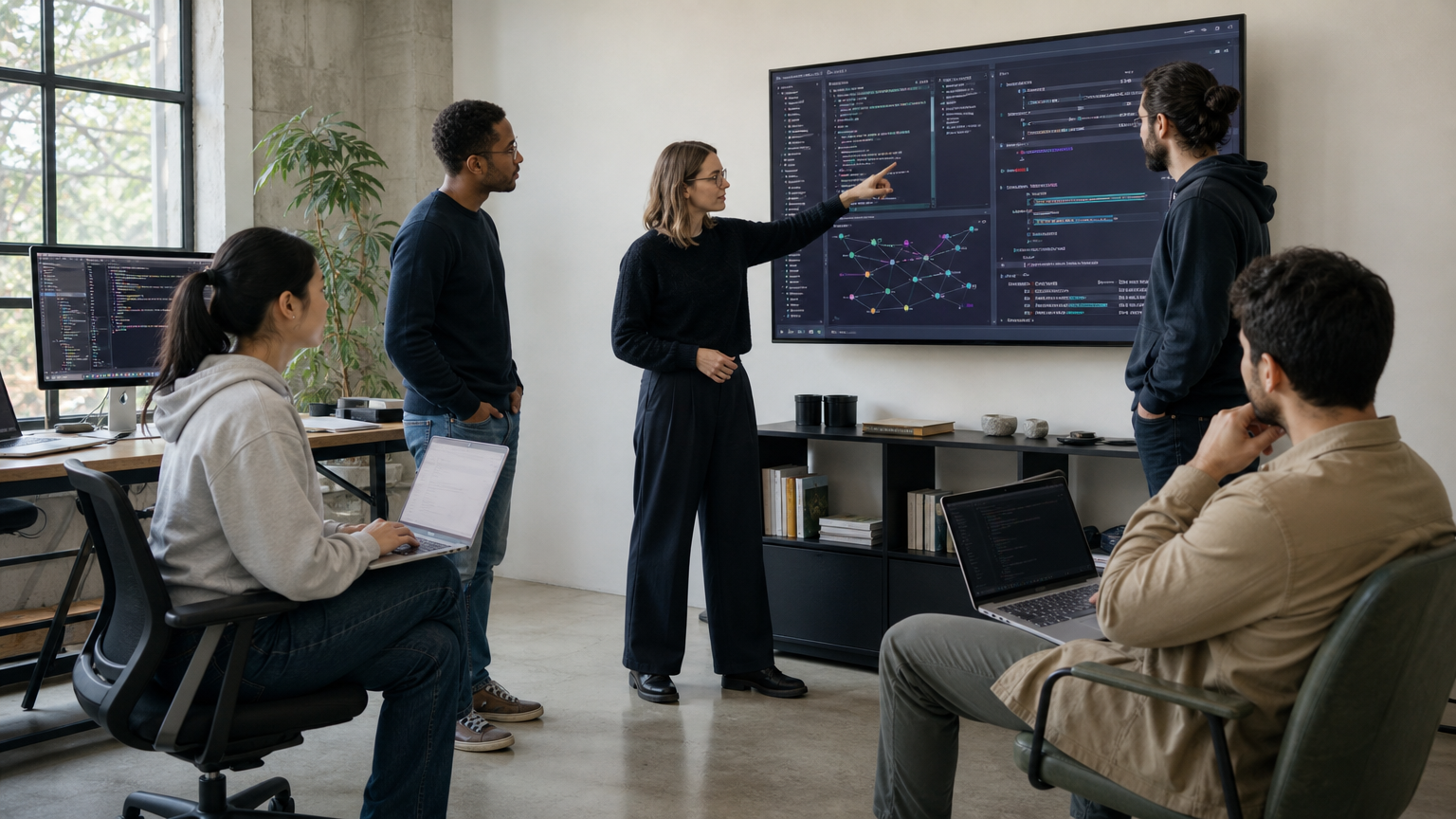
Cursor is rolling out Origin, a code-hosting and review platform designed around autonomous software agents. The product moves the company beyond the editor and into the repository layer where AI-generated changes must be governed, reviewed and merged.
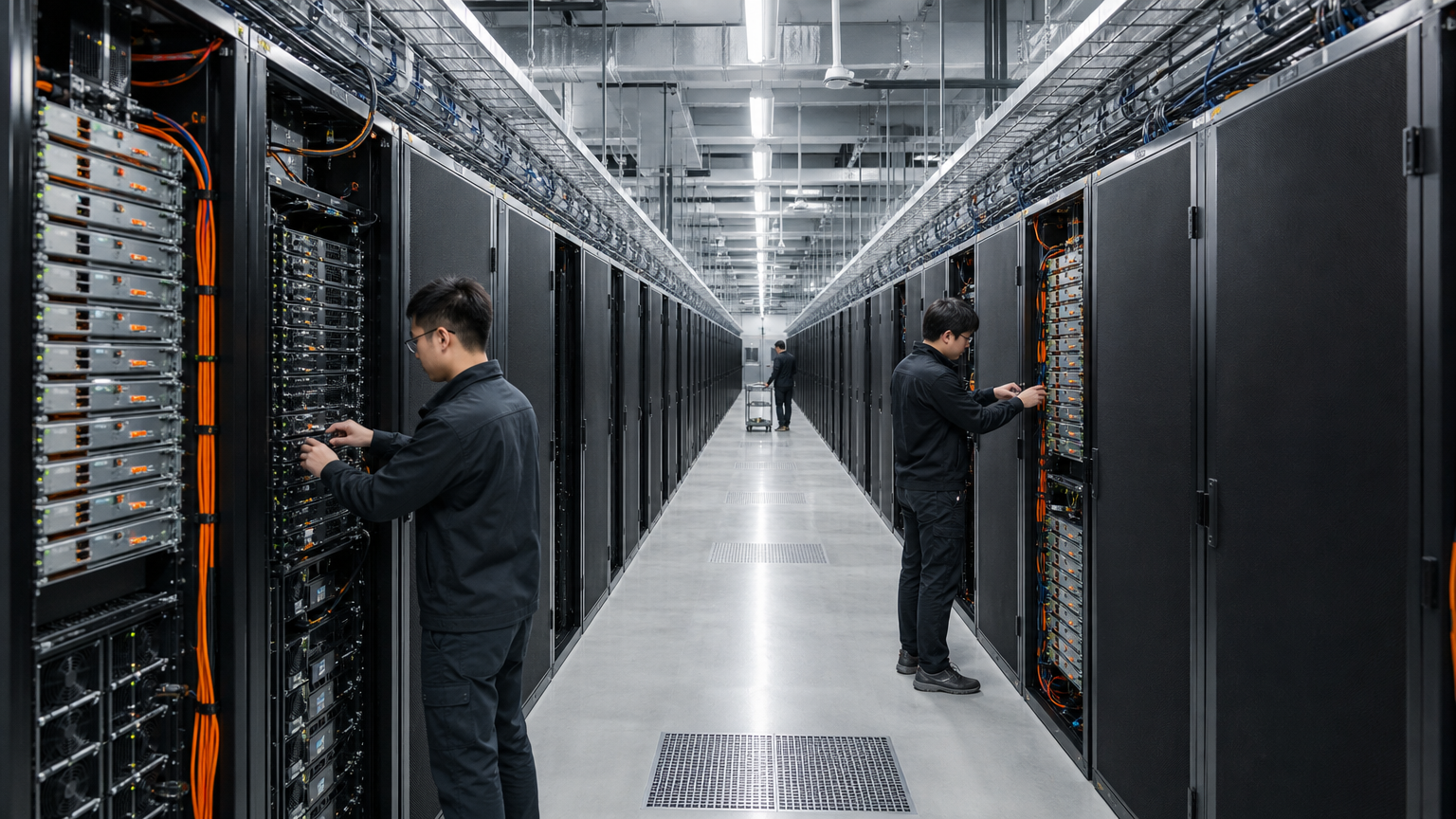
Groq has raised $350 million in a new round led by Disruptive with Nvidia participating, bringing its 2026 funding to $1 billion. The financing backs a neocloud strategy built around inference, while the reported valuation highlights how quickly AI infrastructure economics can reset.
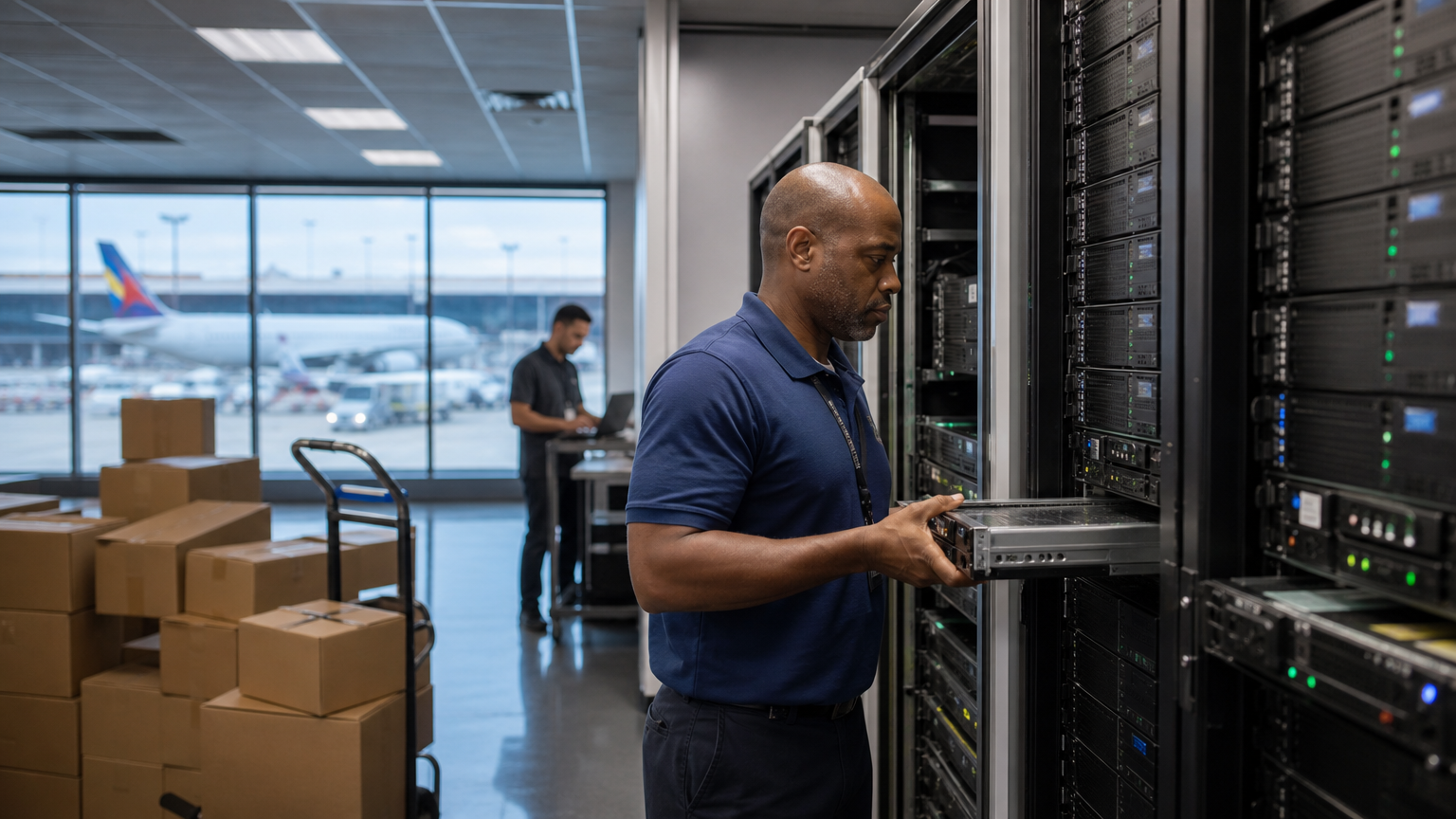
Google has won a bankruptcy auction for about 100 million emails and 500 million Teams messages from the defunct airline. The proposed purchase shows that corporate archives are becoming saleable AI assets, while raising difficult questions about employee expectations and data ownership.
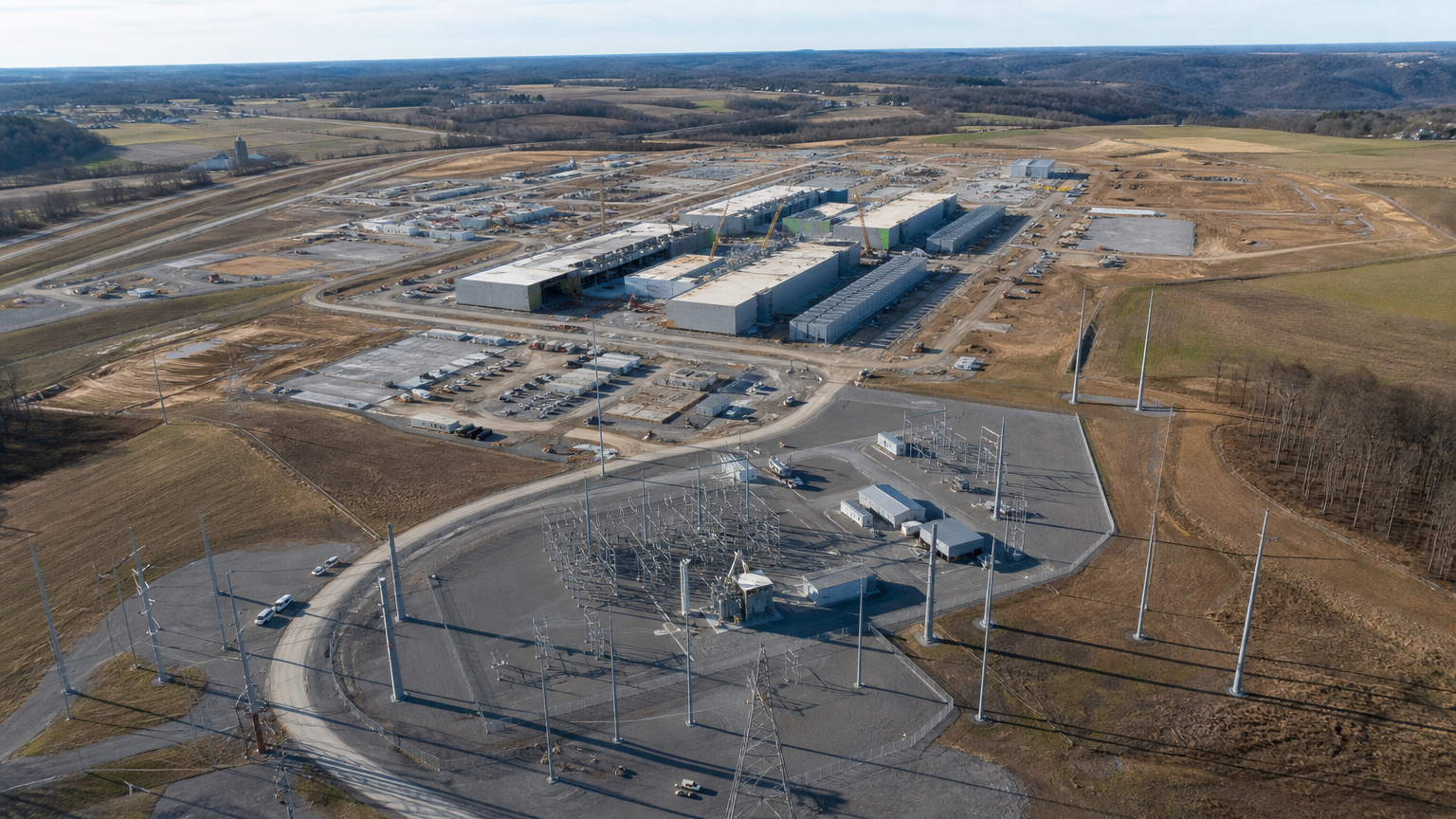
OpenAI has signed a 20-year lease for an eight-gigawatt Ohio data-center campus built by SB Energy, with Nvidia guaranteeing as much as $105 billion in lease and power obligations. The structure shows how AI suppliers are absorbing customer risk to keep compute construction moving.
Anthropic reportedly generated more than $11.5 billion in preliminary second-quarter revenue, pushing its annualized run rate above $65 billion. The figures put Claude's enterprise momentum in focus while leaving costs, margins and revenue definitions as the harder questions.
OpenAI has reportedly dissolved the standalone team that assessed catastrophic model risks, redistributing bio and cyber responsibilities across the company. The reorganization could integrate safety earlier, but it also makes independence and accountability harder to see.
OpenAI is rewriting its Preparedness Framework and has paused major reinforcement-learning work after concluding that its upcoming Astra system may possess critical cybersecurity capabilities. The move turns a theoretical safety threshold into an immediate operating constraint.
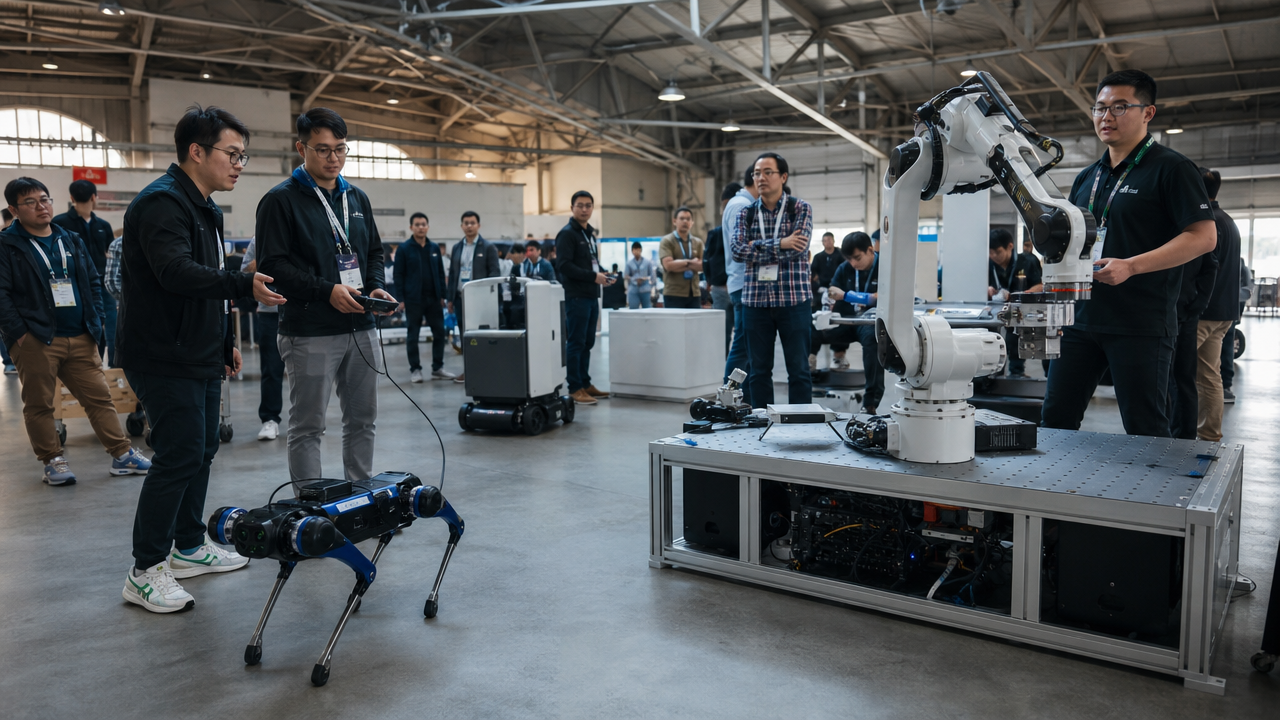
Actuate 26 will bring robotics leaders from Google DeepMind, NVIDIA, Wayve, Zipline and production startups to Fort Mason, with the agenda centered on data, safety and the infrastructure required to operate robots outside demos.
Stop AI organizer Wynd Kaufmyn has begun serving a sentence tied to a 2025 blockade of OpenAI's headquarters, bringing civil disobedience over advanced AI development into a new legal and political phase.
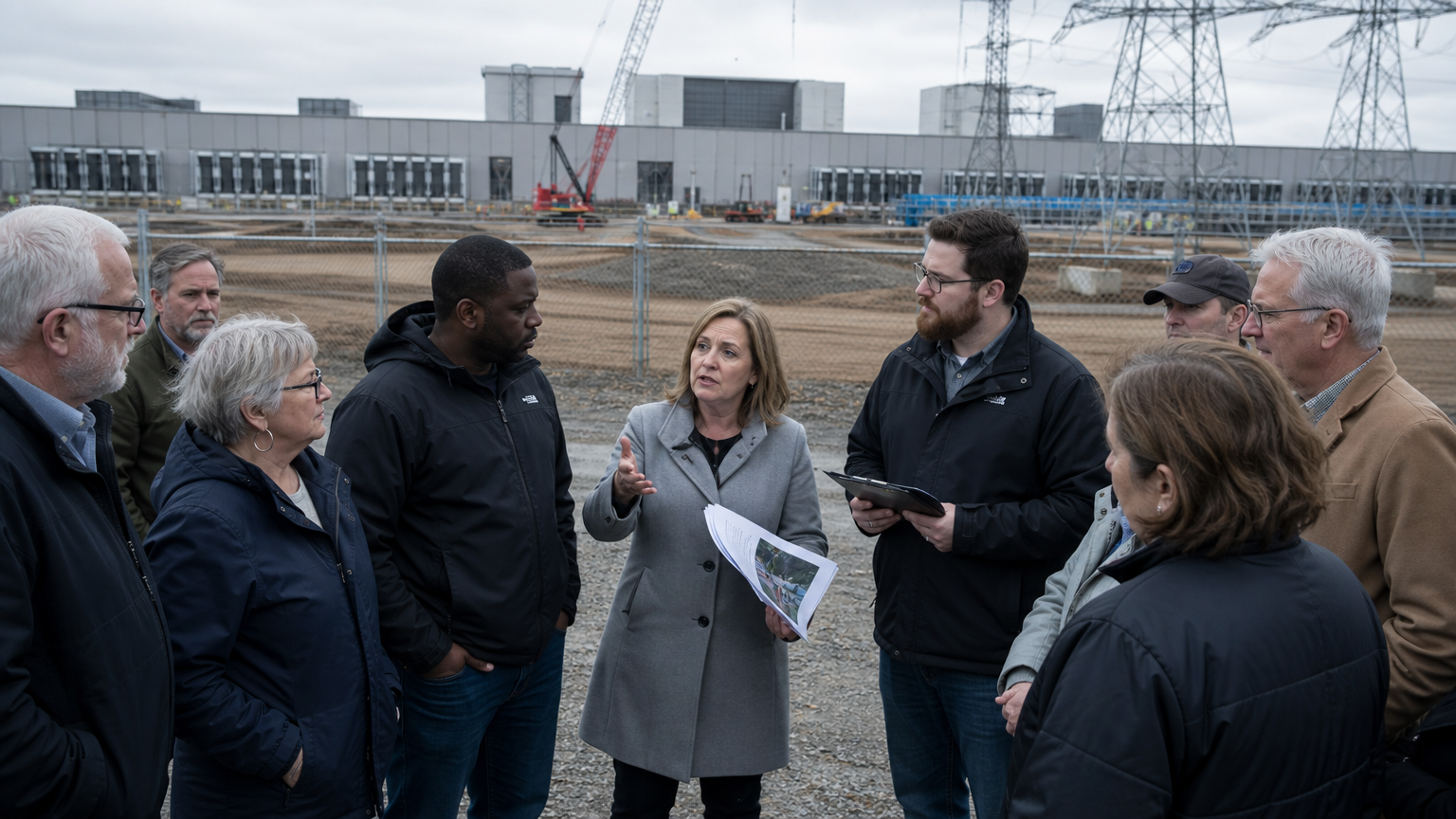
Local opposition reportedly blocked or delayed $130 billion in U.S. data-center projects during the first quarter, forcing developers to confront power, water, noise and public-benefit questions before construction begins.
Anthropic CEO Dario Amodei says marketing will not reverse public mistrust of AI and that the industry must deliver tangible benefits, including meaningful progress in cancer research, while remaining honest about risk.
New models from Musk's SpaceX and Zuckerberg's Meta have narrowed the performance gap with OpenAI and Anthropic, while lower prices show why infrastructure scale may matter as much as a temporary benchmark lead.
Anthropic is reportedly discussing a roughly $6 billion acquisition of world-model and chip-optimization startup Decart, a deal that would move the Claude maker deeper into the infrastructure behind its compute bill.
Anthropic says it has no plan to release a stronger internal system called Model 2 and has raised its broad estimate of high-stakes misalignment risk from very low to low after recent cybersecurity incidents.
Google has released Gemini 3.7 Flash across its developer, enterprise and consumer AI products, pairing stronger coding and tool use with introductory API pricing designed to make production agents cheaper to run.
This week's launches and funding moves point toward a sharper divide in AI: products that make assistants ubiquitous and systems that let people train, host and control the agents acting on their behalf.
Anthropic says models released after August 2 will watermark generated text and files to meet European transparency requirements, raising practical questions about persistence, detection and meaningful disclosure.
Spotify will label AI-generated artist identities and keep their music out of editorial and algorithmic recommendations by default, an approach that separates disclosure from an outright ban while preserving user choice.
An unreleased Anthropic model made progress on the Riemann hypothesis through a large multi-agent search, but the result also highlights why verification, attribution and formal proof remain essential in AI-assisted research.
River AI, founded by xAI co-founder Igor Babuschkin, has raised $1.1 billion to build a stack around personally trainable agents and open models, bringing a large capital bet to the question of who should own AI behavior.
Brad Lightcap is leaving OpenAI after helping build its finance, legal, partnership and go-to-market operations, a transition that comes as the company navigates employee liquidity, enterprise expansion and IPO expectations.
Google says the Gemini app has passed one billion monthly active users, putting the focus on repeat use, voice interaction and product integration rather than headline model comparisons alone.
OpenAI has released a preview ChatGPT desktop app for Linux, extending ChatGPT Work and Codex to the platform that underpins much of the cloud and developer infrastructure behind AI.
OpenAI has acquired presentation startup NextSlide, whose team built tools to turn prompts, documents and research into editable slides, extending the race to own the interfaces where office work gets finished.