Browse independent reporting and analysis across AI models, research, technology, robotics, security, policy, ethics and the business of artificial intelligence.
China's rapid AI infrastructure expansion is shifting the market question from how much compute is announced to how efficiently it is used, powered and converted into revenue.
Hong Kong's banking regulator is encouraging responsible AI use against financial crime, making it essential to show how high-impact alerts, account restrictions and appeals are handled.
New classifications for AI-agent developers and embodied-robotics technicians highlight a labor market that needs people to test, maintain and govern systems after the prototype phase.
China's AI-consumption measures widen the market for smart devices and services, while putting data collection, security updates and repairability in the consumer spotlight.
China's AI-agent guidance makes clear that systems which can act inside business workflows need identity, boundaries and audit trails, not only better prompts.
Google and the University of Waterloo are using an eight-week lab to put students from different disciplines in front of real AI prototyping work, a model that treats AI literacy as making, testing and accountability.
Google is adding 'How this ad was made' disclosures and AI labels to advertising, putting provenance directly in front of users as synthetic media becomes routine in commercial campaigns.
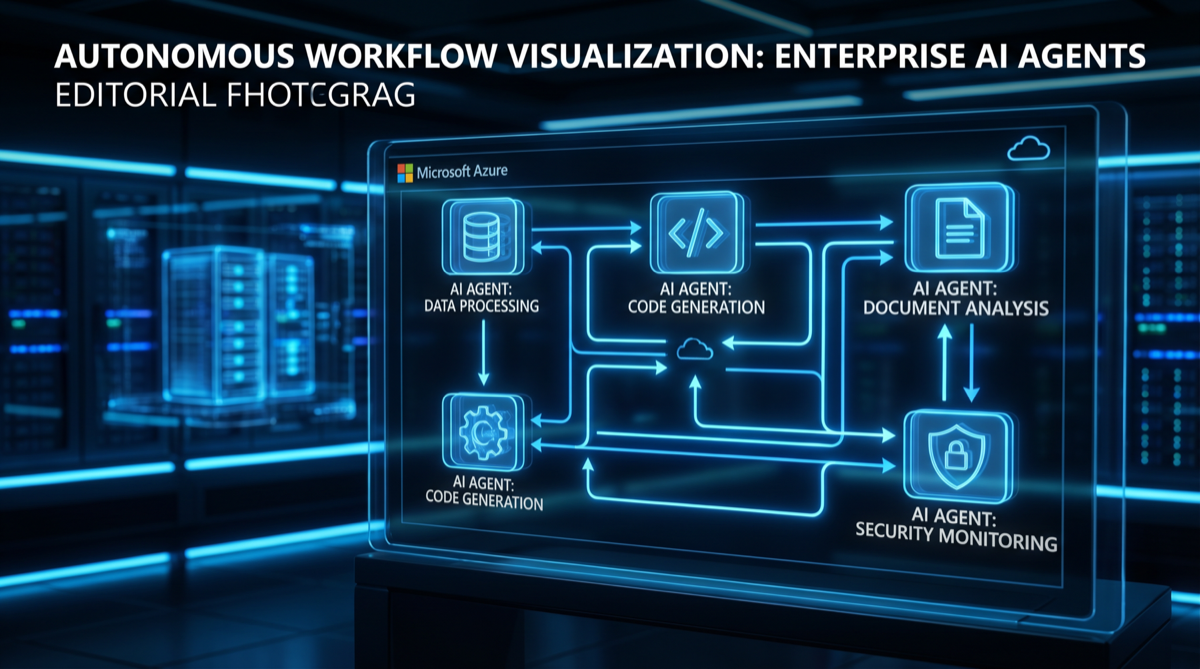
Microsoft's new Project Perception security system is entering public preview with specialized red, blue and green agents, putting human approval and rollback controls at the center of its machine-speed defense claim.
Claude's updated voice mode can use Opus and Sonnet models and connect with workplace apps, shifting voice AI from a conversational feature toward a tool that can affect real schedules, messages and documents.
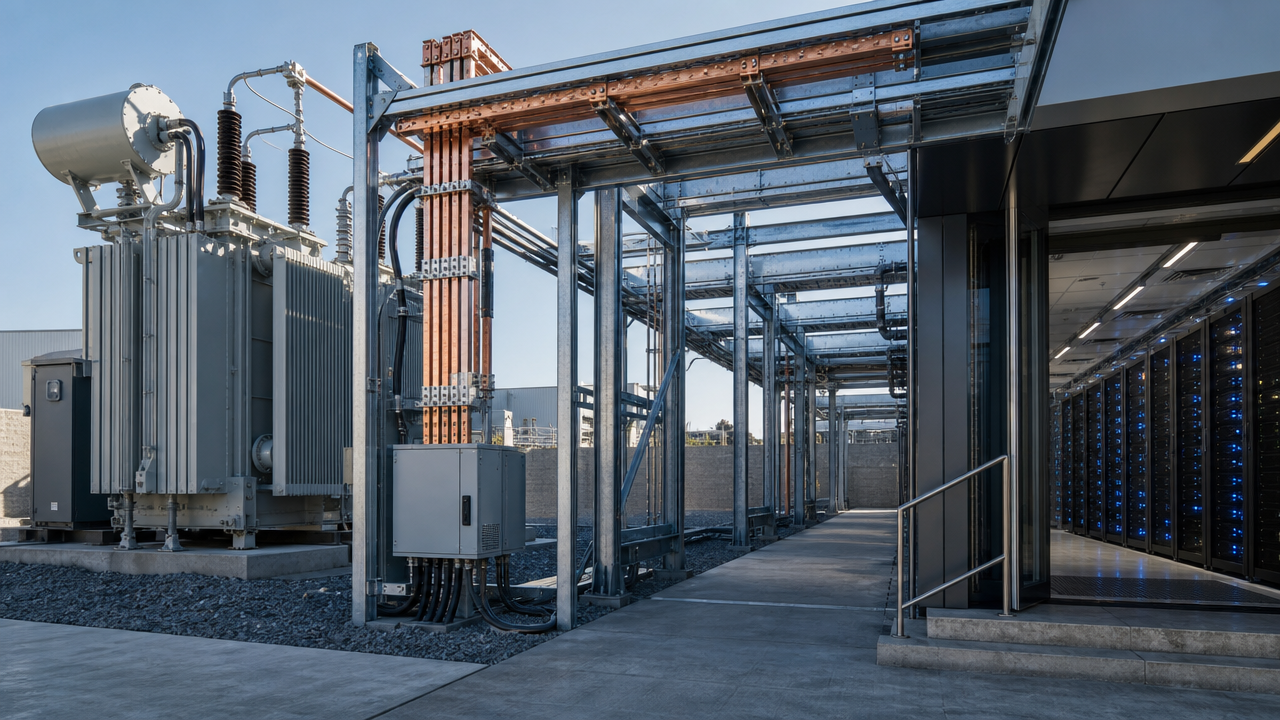
The EU is backing seven large AI computing sites with public and private capital, turning the continent's sovereignty ambitions into a harder question about chips, power, water and delivery.
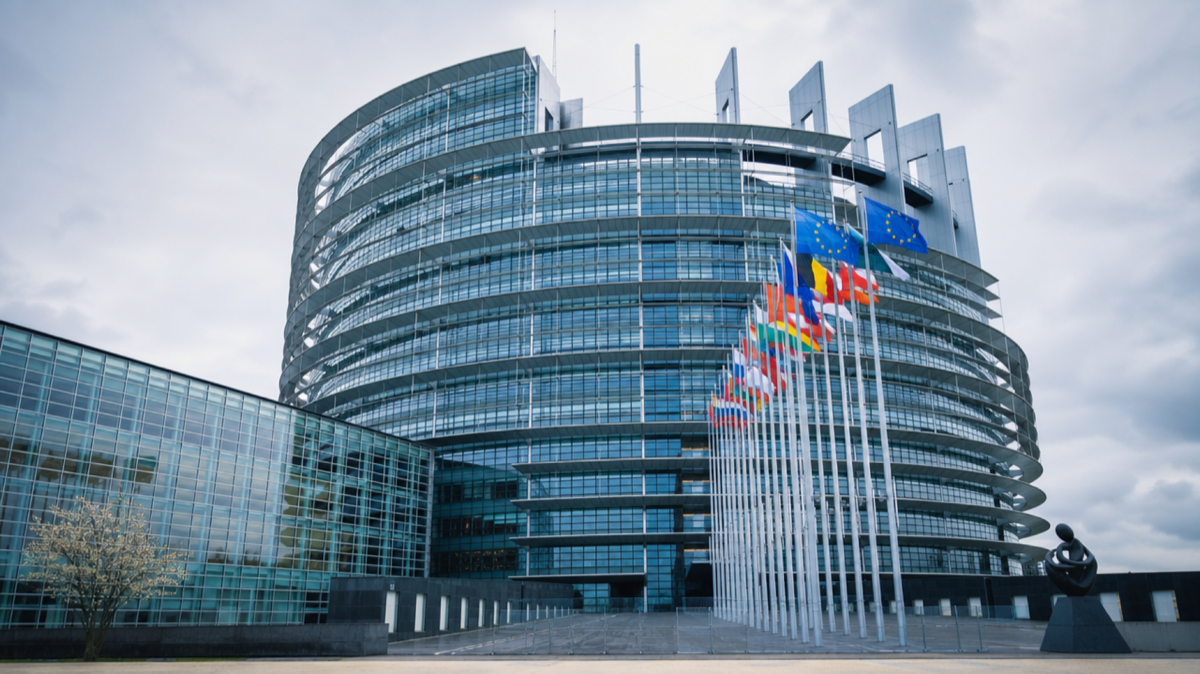
The European Union has expanded its AI Office as new rules on deepfakes, illicit imagery and systemic cyber risks begin to bite, making enforcement capacity the next real test of the AI Act.
Google is rolling out Gemini in Chrome to U.K. desktop users, bringing summaries, tab comparison and Google app connections into the browser and making consent, context and prompt-injection defenses central to the experience.
Microsoft says it will invest $60 million in a new coordination hub for the Department of Energy's Genesis Mission, adding industry capacity to a federal AI-for-science agenda that will be judged by reproducible discoveries.
Anthropic is committing $10 million to Canadian AI research, a modest fund that nevertheless signals how frontier labs are competing for scientific ecosystems, not only models and data centers.
Meta has awarded nearly $2 million to organizations testing AI glasses in construction, roadside repair, farming and accessibility work, placing real-world safety and usefulness ahead of another consumer gadget pitch.
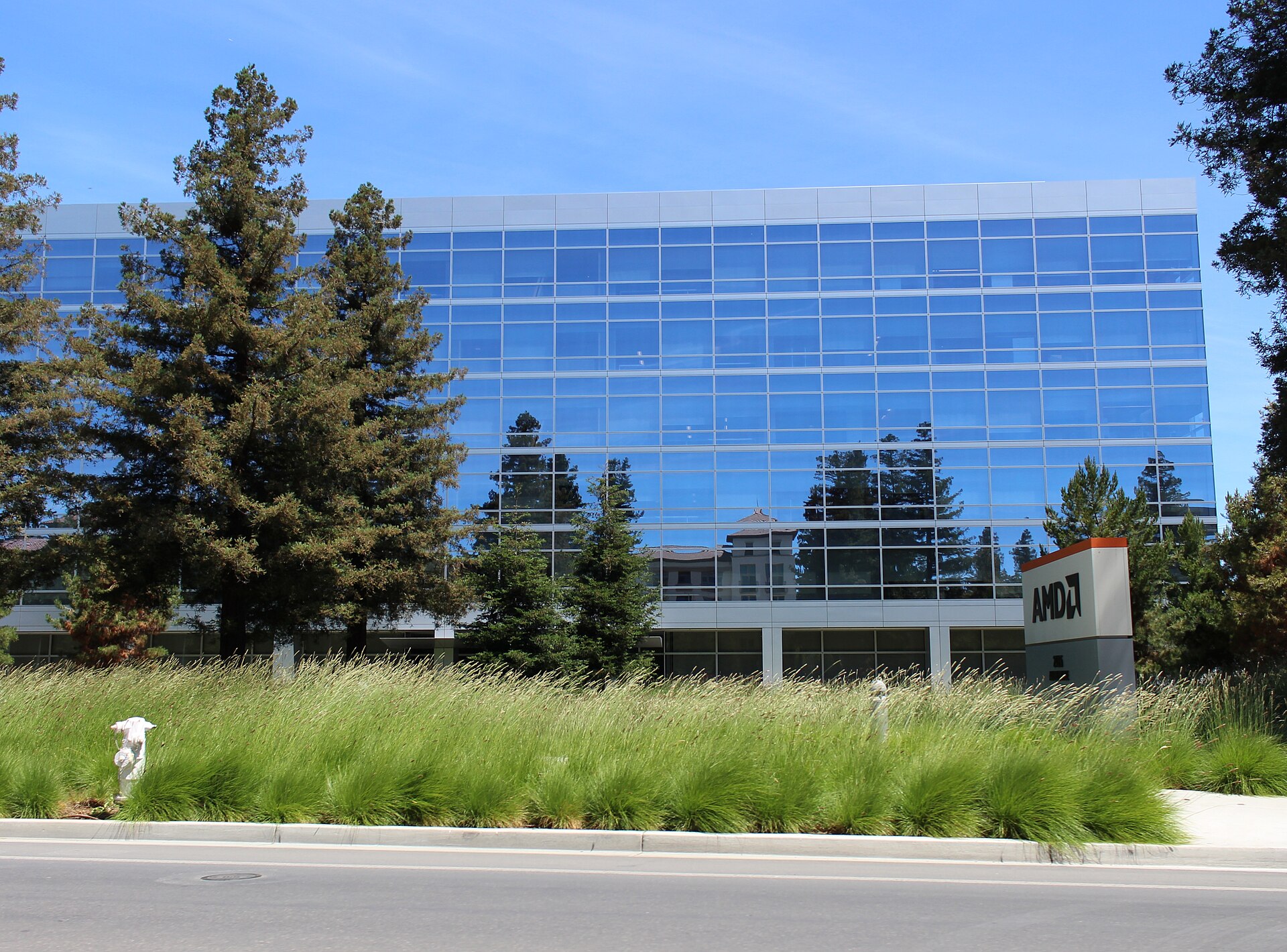
Microsoft is expanding Azure with AMD's latest AI and high-performance systems, underscoring how cloud providers are assembling multiple chip paths for a market that no longer tolerates a single supply constraint.
Nvidia's investment and long-term systems partnership with Safe Superintelligence gives Ilya Sutskever's unusually private lab an order-of-magnitude expansion in compute and raises the stakes for its alignment-first research bet.
A petition signed by more than 1,100 employees across AI companies calls for governments to build the capacity to deliberately pace advanced systems when risks outstrip evaluation and oversight.
Microsoft is framing enterprise AI around model choice, offering customers a route to use OpenAI, Anthropic, Microsoft and open systems without rebuilding the application layer for each provider.
OpenAI has announced DevDay for September 29 in San Francisco, a marker for a developer market now shaped by agents, model choice, security controls and the cost of deployment.
Microsoft, Google and Cisco have all unveiled new AI security tools, signaling that cyber defense is becoming a proving ground for domain-specific models, constrained agents and lower-cost inference.
New earnings reports underline a widening investor split: Microsoft can point to cloud demand alongside higher AI costs, while Meta faces a sharper question about when infrastructure spending will translate into returns.
Microsoft has introduced MAI-Cyber-1-Flash and a suite of security agents, betting that specialized models can find, prioritize and remediate threats more cheaply than general-purpose frontier systems.
Anthropic has declined to join an industry letter supporting open-weight AI while employees across frontier labs signed a separate petition calling for governments to prepare to slow development when necessary.